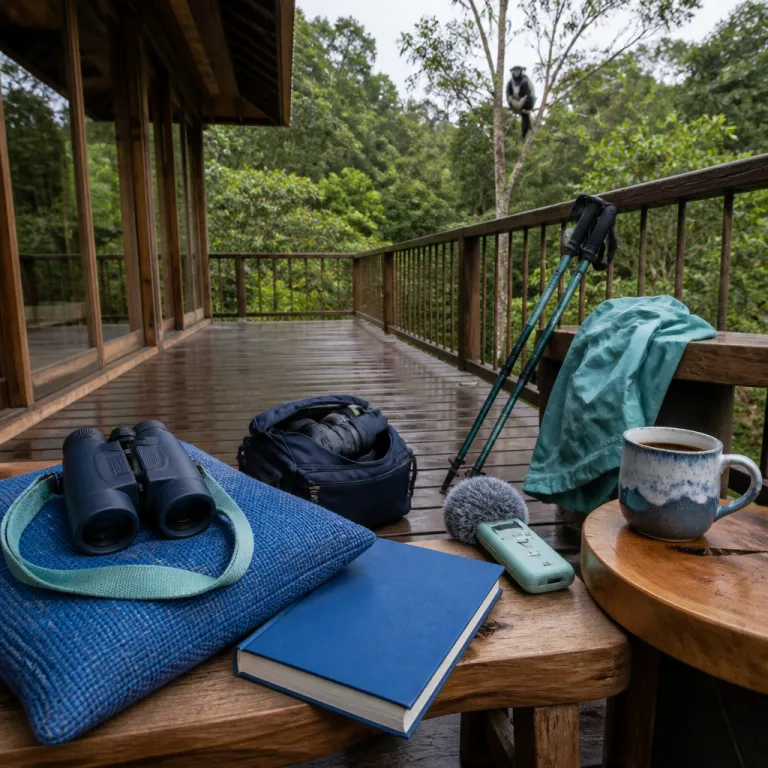
Why Andasibe is Madagascar’s signature rainforest address for luxury stays
Andasibe sits on the main road between Antananarivo and the east coast, making this rainforest region one of the most accessible wildlife destinations in Madagascar. The protected Andasibe-Mantadia National Park covers around 15 480 hectares of dense forest,1 and this national park has become a benchmark for travellers who want serious wildlife with refined comfort. Within a short drive you move from village life to deep rainforest, and the contrast sets the tone for a trip that feels both intimate and grand.
For high-end travellers, the real luxury in Andasibe is proximity to wildlife, because the indri lemurs that live here are the largest living lemur species on Earth. Their haunting calls carry across the forest at dawn, and a well-positioned lodge will let you hear indri lemurs from your terrace while still enjoying polished service and good linens. Many premium lodges sit just outside the Andasibe park entrance, so you can step from breakfast straight onto guided trails within minutes.
The area forms part of the Alaotra Mangoro region of Madagascar, and its mix of primary rainforest, secondary forest and small agricultural plots supports an exceptional concentration of lemur species and birdlife. Official figures from Madagascar National Parks and long-running biodiversity surveys mention around 14 lemur species and 117 bird species in the wider Andasibe national area,1 and these numbers explain why the region ranks alongside classic African wildlife destinations such as parts of South Africa for nature-focused travel. When you book here you are not just reserving a room; you are buying front-row access to one of the world’s most important remaining rainforest fragments.
Choosing the right lodge in Andasibe-Mantadia for premium comfort
Accommodation around Andasibe ranges from simple guesthouses to refined rainforest lodges, and the difference in experience can be dramatic. A premium lodge near the Andasibe National Park entrance will usually offer spacious bungalows, reliable hot water and well-trained staff who understand early starts and late-night walks. In contrast, a very small property further from the park may feel charming but add long transfers to every day of your trip.
Many travellers look at options close to both the Analamazaotra section and the more remote Mantadia sector, because this combination gives access to different forest types and different lemur species. A property such as Mantadia Lodge,2 perched on a hill with sweeping views over the forest, illustrates how a carefully designed lodge can blend concrete comfort with a strong sense of place. Another example is Vakona Forest Lodge, whose private reserve and small lemur island appeal to families and first-time visitors. From such a base you can reach the main national park trailheads quickly, then return to a heated pool, good wine and a kitchen that turns remote supply chains into signature cuisine, as explored in depth in this guide to Madagascar’s lodge kitchens.
When comparing lodges in the wider park Madagascar region, pay close attention to how management supports local guides and nearby communities. The most reputable properties work closely with Andasibe-Mantadia park authorities and conservation organisations, which helps protect indri lemurs and other sensitive wildlife. Ask whether your chosen lodge can arrange private guiding, small-group departures and tailored birding or photography walks, because this level of curation will shape the quality of your stay as much as thread count or bathroom design.
Wildlife focus: indri, diademed sifaka and other lemur species
Andasibe-Mantadia is famous first for the indri, whose black-and-white markings and teddy-bear build make them instantly recognisable. These indri lemurs represent the largest accessible population that visitors can reliably see in Madagascar,1 and their territories lie surprisingly close to the main trails of the national park. Hearing a family call across the forest at dawn is often the moment guests say their trip to Madagascar truly begins.
The rainforest here also shelters the diademed sifaka, a striking lemur with golden fur and a pale face that many primatologists consider one of the most beautiful lemur species. In the Mantadia sector, your guide will often search mixed forest for this sifaka, while pointing out smaller nocturnal lemurs during carefully managed night walks. These after-dark excursions, always led by a certified guide, reveal mouse lemurs, chameleons and tree frogs that remain hidden during the day.
Other highlights include the white ruffed lemur, sometimes called the black-and-white ruffed lemur, which moves through the canopy in small groups and feeds on fruit and nectar. Birdwatchers come for ground rollers and vangas, while herpetologists focus on tiny leaf chameleons and vividly coloured frogs that thrive in the damp forest. For families who enjoy primates, combining Andasibe with a stay in the south at a place such as Berenty Reserve, known for its sifaka season in the dry forest, can create a varied itinerary, and this detailed look at sifaka season in the south shows how different Madagascar’s national parks can feel within one trip.
Designing an Andasibe itinerary: from day walks to night adventures
Most luxury travellers plan at least two or three nights in Andasibe, because a single day rarely does justice to the national park. A typical first day focuses on the Analamazaotra section of Andasibe National Park, where well-maintained trails lead through mid-altitude rainforest and secondary forest rich in indri and other lemurs. Your guide will usually suggest an early start, since wildlife activity peaks in the cool morning hours.
The second day often shifts to the Mantadia sector, which lies deeper in the forest and feels wilder, with taller trees and fewer visitors on the paths. Here you may walk longer distances, sometimes in a small group, to search for diademed sifaka, white ruffed lemurs and shyer bird species that avoid the busier trails. Because the terrain can be muddy and uneven, sturdy footwear and a reasonable level of fitness make the experience more enjoyable.
Night walks are a signature part of any stay near park Madagascar, and they usually take place along the road or on designated paths just outside the strict national park boundary. Under the beam of your guide’s flashlight you may find tiny mouse lemurs, sleeping chameleons and the reflective eyes of tree frogs clinging to leaves. As one long-time Andasibe guide explains, “At night the forest is another world; you hear the river, the frogs, even the insects differently.” These nocturnal outings add a different layer to your travel story, turning a refined lodge stay into a complete rainforest immersion.
Practical planning: when to travel, what to pack and how to book
Weather patterns in this part of Madagascar shape both comfort and wildlife viewing, so timing matters when you plan your trip. Local experts and park staff generally agree that “April to November offers favorable weather and active wildlife.” During these months, rain is still possible in the rainforest, but trails are more manageable and lemurs tend to be more visible.
Because Andasibe sits only a few hours by road from Antananarivo, many travellers combine it with other national parks or with a coastal escape on Île Sainte-Marie, using a refined island stay to balance the cool forest climate. A curated itinerary might start with two or three days in Andasibe National Park, continue to another park Madagascar highlight in the south or west, then finish with a tropical island retreat such as the one outlined in this Île Sainte-Marie travel guide for refined stays. Working with a specialist booking platform focused on Madagascar helps align lodge choices, transfer times and internal flights into a coherent, stress-free route.
Packing for Andasibe should reflect both rainforest conditions and the standards of your chosen lodge. Lightweight layers, a waterproof jacket, insect repellent and closed shoes with good grip will serve you well on day walks and night walks alike. For evenings in a premium lodge, a smart-casual outfit feels appropriate, while binoculars and a good camera turn close encounters with the largest indri families and other lemurs into lasting memories.
How local guides and community ecotourism elevate a luxury stay
Every visit to Andasibe-Mantadia depends on the expertise of local guides, whose knowledge of the forest and its wildlife transforms a simple walk into a rich learning experience. Park regulations published by Madagascar National Parks state clearly that “Yes, hiring a local guide is mandatory for park visits.” This rule supports employment in nearby communities and ensures that visitors move through sensitive areas with minimal impact.
For premium travellers, a private guide or a very small-group experience often represents the best balance between flexibility and interpretation. A skilled guide will read the forest for subtle signs of movement, identify lemur species by call and explain how community-based ecotourism projects help protect the forest. Many guides also share insights into local culture, from rice cultivation to the role of sacred trees, which deepens your understanding of Madagascar beyond wildlife alone.
Choosing a lodge that partners closely with conservation organisations and village associations means your travel spend supports long-term protection of the national park and surrounding forest corridors. Some properties contribute a portion of each night’s rate to reforestation or education programmes, while others fund training for new guides so that more residents can benefit from tourism. When you book through a platform that highlights these initiatives transparently, you align your own expectations of comfort with the region’s goals for biodiversity conservation and community development.
Key figures for planning an Andasibe rainforest stay
- Andasibe-Mantadia National Park covers about 15 480 hectares, making it one of the most compact yet species-rich national parks in Madagascar for rainforest wildlife viewing, according to summaries of Madagascar National Parks data compiled by Madagascar Travel.1
- The wider Andasibe national area hosts around 14 lemur species, which means visitors have a strong chance of seeing multiple lemur species, including indri and diademed sifaka, during a two or three day stay.1
- Birdwatchers can look for approximately 117 bird species in and around the park, a density that rivals some better-known wildlife destinations in South Africa for forest birding, based on figures shared by Madagascar Travel and park interpretation boards.1
- Ecotourism initiatives in the region have grown steadily since the park’s formal establishment, with increased community involvement in conservation and research on endemic species helping to secure long-term protection for the forest.
FAQ about luxury and premium stays in Andasibe
What is the best time of year to visit Andasibe for wildlife and comfort?
The most comfortable period for a luxury stay in Andasibe runs from April to November, when rainfall is lower and trails in Andasibe-Mantadia National Park are easier to navigate. Wildlife, including indri lemurs and other lemur species, remains active throughout these months. High-end lodges often book out for public holidays in this window, so advance reservations are recommended.
Are there high-end lodges close to the Andasibe National Park entrance?
Yes, several premium lodges sit within a short drive of the main Andasibe National Park entrance, allowing guests to reach the forest quickly for early morning walks. Properties such as Mantadia Lodge2, Vakona Forest Lodge and other refined options offer spacious rooms, quality dining and curated guiding services. Staying close to the park reduces transfer times and maximises your time on the trails.
Is hiring a guide compulsory for walks inside the park?
Park regulations require every visitor to be accompanied by a certified local guide for walks inside Andasibe-Mantadia National Park. This rule protects both visitors and wildlife, since guides know the terrain, animal behaviour and park boundaries. You can arrange a private guide or join a small group through your lodge or at the park office.
How many days should I plan for Andasibe within a wider Madagascar itinerary?
For most travellers, two or three full days in Andasibe provide a good balance between forest walks, night walks and time to relax at the lodge. This allows at least one day in the Analamazaotra sector and one in the Mantadia sector, with flexibility for weather. Longer stays suit keen photographers or birders who want to explore more remote trails.
What level of fitness and equipment do I need for walks in Andasibe-Mantadia?
Trails in the Analamazaotra section are generally moderate, while paths in the Mantadia sector can be steeper and muddier, so a basic level of fitness is helpful. Sturdy walking shoes, a light waterproof jacket, insect repellent and binoculars will significantly improve your comfort and wildlife viewing. Lodges can usually arrange walking poles and extra gear if requested in advance.
1 Figures for park size, lemur and bird diversity are based on data published by Madagascar National Parks and synthesis reports commonly cited by Madagascar Travel and park information boards; exact numbers may vary slightly between sources.
2 Mantadia Lodge is a well-known hilltop property near Andasibe-Mantadia National Park, frequently referenced in Madagascar accommodation guides.