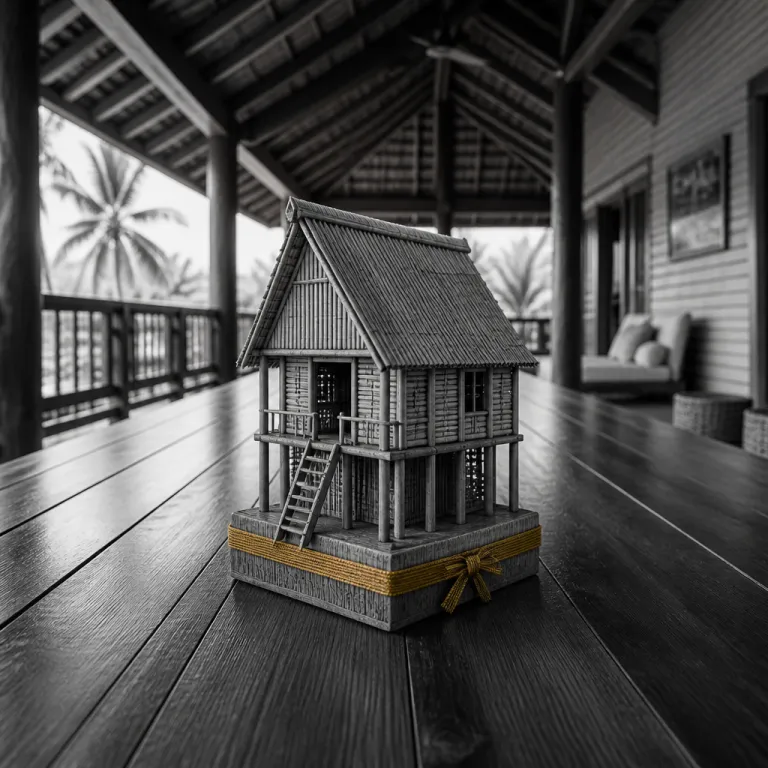
What a true madagascar cultural lodge experience looks like
A genuine Madagascar cultural lodge stay begins long before you see a lemur or the sea. It starts when a forest lodge manager emails you a gentle briefing on regional fady, the unwritten codes that govern daily life in Madagascar and quietly shape every stay. That first message signals that the lodge will treat culture as a living framework, not a themed backdrop for guests.
Across Madagascar there are more than fifty eco focused lodge properties, yet only a handful weave heritage, wildlife and community into one coherent experience. According to recent estimates from the Madagascar National Tourism Office, roughly fifty to sixty eco oriented lodges operate nationwide, many of them clustered near protected areas and coastal reserves. The best of these sit where forest meets coast Madagascar, so guests can move in a single day from coral rich sea kayaking to a dusk walk listening for lemur species calling in the canopy. This blend of natural immersion and cultural literacy defines the most rewarding Madagascar experience for couples who want more than a pretty room.
At these properties, staff explain why one area of beach is sacred, why a certain lemur white morph is never pointed at, and why a red ruffed lemur sighting is quietly celebrated with a story rather than a selfie. Guests are invited into local activities such as fishing launches or market visits, but the lodge offers clear guidance on etiquette so eco tourism supports dignity, not voyeurism. When a manager can name the clans who steward the nearby forest and the dry deciduous hills behind it, you know your stay is rooted in place.
Fady, respect and how the best lodges prepare you
Fady, the intricate system of taboos in Madagascar, varies dramatically from one area to the next. On the Masoala peninsula, a forest lodge may brief guests that certain bays are off limits on specific days, while on the southwest coast Madagascar a village might forbid whistling at night because it is believed to summon wandering spirits. A serious Madagascar cultural lodge experience treats these rules as non negotiable social architecture, not as colorful anecdotes.
Thoughtful lodges schedule activities around fady rather than bending customs to fit a fixed excursion timetable. A full day outing might shift from sea kayaking to a forest walk if the sea is reserved for a ceremony, and guests will hear directly from local elders why that rhythm matters. This flexibility is where eco tourism moves beyond marketing language and becomes a respectful partnership that benefits both visitors and hosts.
On the southwest coast, Five Senses Lodge and Manga Bay Lodge work closely with Vezo fishing communities, aligning whale watching seasons and fishing free days with community priorities. When you book a stay there, you can expect staff to explain which lemurs are considered ancestral messengers and why certain lemur species are never hunted in that park Madagascar region. As one Vezo committee member described in a recent lodge briefing, “Guests are welcome on our beach, but only when the sea is resting and the ancestors agree.” For travelers interested in marine conservation, the article on shark and ray protections for divers is essential reading before planning sea based activities. A practical step before you confirm dates is to email the lodge and ask for a sample weekly schedule showing how fady days, fishing closures and ceremonies may influence excursions.
Architecture, materials and the feel of place
Architecture is often the first visible clue to whether a lodge is in conversation with Madagascar or simply placed upon it. When you arrive at Masoala Forest Lodge on the remote Masoala peninsula, the thatched roofs, raised wooden walkways and open sided pavilions echo local village forms, yet the detailing quietly signals comfort for international guests. This balance between vernacular design and discreet luxury is central to a meaningful Madagascar cultural lodge experience.
In the northeast, Masoala Forest Lodge sits between the Masoala forest and the sea, offering views where rainforest trees lean almost directly over the surf. The lodge offers guided walks into Masoala National Park, where you move from coastal forest into deeper Masoala forest in a single day, crossing habitats that shelter an extraordinary range of lemur species and other wildlife. Here, the buildings feel like they grew from the forest floor, using local timber and palm while respecting regulations that protect the national park and its flora fauna.
By contrast, some properties elsewhere in Madagascar import generic resort templates that could sit on any tropical coast, with little reference to dry deciduous woodland or highland forms. When evaluating options on a booking website, look for language about traditional carpentry, local stone and passive cooling rather than air conditioning alone, because these details show how your stay supports regional craft. For travelers heading toward Andasibe and its iconic indri lemurs, the detailed guide to rainforest stays near Andasibe helps you compare how each forest lodge integrates architecture with the surrounding park Madagascar landscape.
From village visits to ceremonies: when cultural activities feel real
Community led excursions are where a Madagascar cultural lodge experience either deepens or unravels. A respectful lodge will never march guests into a village unannounced for a photo safari, but will instead work with a local comité to design activities that the community controls. That might mean limiting group size, setting clear visiting hours and ensuring that a portion of the fee goes directly to village projects chosen by residents.
Akiba Lodge, Eden Lodge and Ankasy Lodge are strong examples of properties that frame cultural activities as exchanges rather than performances. At Ankasy Lodge on the southern coast Madagascar, guests can spend a full day learning about Vezo pirogue building, from tree selection in nearby dry deciduous groves to the final launch into the sea. At Eden Lodge on Baobab Beach, village visits often include time with women’s weaving cooperatives, where you see how natural fibers from the forest become baskets and mats used in both local homes and the lodge itself.
When ceremonies are involved, such as a famadihana reburial in the highlands or a coastal blessing for a new fishing canoe, the best lodges step back and let local leaders set the terms. Guests will be told clearly when photography is inappropriate, why certain colors are avoided and how offerings to ancestors relate to lemurs and other wildlife considered kin. As one highlands guide explained during a recent ceremony briefing, “You are not here to watch a show; you are here to be a respectful witness.” If a lodge offers a generic “village dance show” every night with no explanation of which ethnic group or which story is being told, you are likely seeing culture flattened for convenience rather than honored as a living narrative.
Wildlife, national parks and culture woven together
Madagascar’s national parks are often marketed purely as wildlife playgrounds, yet for local communities they are also spiritual landscapes. A sophisticated Madagascar cultural lodge experience helps guests understand that a Masoala National Park trail is not only a route to see a red ruffed lemur, but also a path threaded with ancestral stories. Guides who grew up near the Masoala forest will point out trees used in healing rituals, explain why certain clearings are avoided and share how lemurs feature in clan totems.
On the Masoala peninsula, Masoala Forest Lodge structures its activities so that a single day might include a dawn paddle by sea kayak, a mid morning walk into Masoala National Park and an afternoon of whale watching in season. Along the way, you may encounter lemur species ranging from the elusive red ruffed lemur to smaller nocturnal forms, as well as ring tailed mongoose and rare birds that define the region’s flora fauna. The lodge offers both half day and full day excursions, always emphasizing that the park Madagascar authorities and local communities co manage access to protect both wildlife and cultural sites.
Vakona Forest Lodge near Andasibe, while outside the Masoala area, shows how a forest lodge can interpret the relationship between lemurs and highland beliefs. Guests learn why some families will never eat certain lemurs, how the haunting calls of indri echo through stories of origin, and why a lemur white patch might be read as a sign from ancestors. When you choose a lodge that treats eco tourism as a bridge between conservation and culture, your stay supports both the natural world and the people who have shaped it for generations.
Music, language and intimate moments for couples
For couples, the most memorable Madagascar cultural lodge experience often happens after dark, when the generator hum fades and the first notes of a valiha harp drift across the dining deck. Music, dance and oral storytelling are not add ons here; they are how history travels in a country where many traditions remain unwritten. A lodge that invites local musicians to play on their own terms, with context and translation, offers guests a rare window into living heritage.
On Nosy Be and nearby islands, Tsara Komba Luxury Beach & Forest Lodge and Miavaka Lodge both integrate music nights led by local artists rather than imported playlists. Between songs, hosts translate lyrics about sea journeys, forest spirits and lemurs that guide lost fishermen back to shore, turning entertainment into a shared narrative. When a storyteller explains why a ring tailed lemur once stole the moon in a coastal myth, you begin to see how wildlife, sea and sky are woven into one imaginative fabric.
Language is another quiet luxury. Learning a few Malagasy phrases before your stay will transform every interaction, from greeting staff at the lodge to thanking a guide who just pointed out a shy lemur white morph in the canopy. Couples who lean into these small efforts often find that their Madagascar experience shifts from observer to participant, especially when staff respond by sharing jokes, proverbs and personal memories. For a deeper sense of how landscapes and trees shape these stories, the feature on Madagascar’s emblematic trees for luxury travelers is an insightful companion read.
How to choose and book a culturally rooted lodge
With around three hundred thousand visitors arriving in Madagascar each year and roughly sixty percent seeking cultural experiences, demand for meaningful stays is rising fast. World Bank tourism statistics and UNWTO regional reports both place annual international arrivals in the low hundreds of thousands, with cultural motivations consistently ranking among the top reasons to visit. On a premium booking platform, this means you will see many properties claiming to offer a Madagascar cultural lodge experience, but only some can back that promise with depth. Your task is to read between the lines and identify which lodge offers genuine engagement with local communities, wildlife and heritage.
Start by scanning how a lodge describes its relationship with nearby villages, national parks and specific ethnic groups. Look for references to Masoala National Park, Masoala Forest, or other protected areas such as Andasibe, along with mentions of lemur species, flora fauna and dry deciduous habitats that show ecological literacy. A serious forest lodge will usually highlight partnerships with park Madagascar authorities, community guides and eco tourism associations, rather than only listing amenities like pools and spas.
Next, pay attention to the structure of activities. Are there options for full day excursions that combine sea kayaking, forest walks and cultural visits, or is the focus solely on quick wildlife checklists such as “see lemurs, tick the box, move on”? Properties like Five Senses Lodge, Manga Bay Lodge, Akiba Lodge, Masoala Forest Lodge, Ankasy Lodge, Eden Lodge, Vakona Forest Lodge, Tsara Komba Luxury Beach & Forest Lodge and Miavaka Lodge all demonstrate how curated programs can balance comfort with authenticity. As one regional overview notes, “Lodges operate throughout the year. Seasonal variations may affect accessibility. Advance booking recommended during peak seasons.” For couples planning a peak season trip, a useful rule of thumb is to secure your preferred lodge six to nine months ahead, then reconfirm domestic flights and key excursions about eight weeks before arrival.
Key figures shaping cultural lodge travel in Madagascar
- Approximately fifty eco focused lodges operate across Madagascar, giving travelers a relatively small but carefully distributed network of properties near key national parks and coastal areas (Madagascar Tourism Board, latest available estimates; see also Madagascar National Tourism Office summaries).
- Around three hundred thousand international visitors arrive in Madagascar annually, a modest volume compared with other Indian Ocean destinations, which helps keep many lodge experiences intimate and low density (World Bank tourism data on arrivals for Madagascar).
- An estimated sixty percent of tourists cite cultural experiences as a primary motivation for visiting Madagascar, underscoring the importance of lodges that integrate local heritage into their stays (UNWTO regional reports on cultural tourism in the Indian Ocean and East Africa).
- Eco tourism oriented lodges have grown steadily in number over recent years, reflecting a global shift toward sustainable travel and reinforcing the value of properties that protect wildlife while supporting community livelihoods (Madagascar Tourism Board and eco tourism association briefings).
- Many leading cultural lodges operate year round, but accessibility to remote areas such as the Masoala peninsula can vary by season, making advance planning and booking particularly important for couples targeting specific wildlife or cultural events.
FAQ about cultural lodges and heritage rich stays in Madagascar
What is the best time to visit Madagascar for a cultural lodge stay ?
The most favorable period for a Madagascar cultural lodge experience runs from April to December, when weather conditions are generally drier and travel logistics are smoother. During these months, access to remote areas such as the Masoala peninsula and certain dry deciduous regions is more reliable. Cultural events and wildlife viewing, including lemurs and whale watching, also align well with this window.
Are cultural lodges in Madagascar suitable for families as well as couples ?
Many lodges that focus on culture and wildlife are designed to welcome both couples and families. Properties such as Vakona Forest Lodge, Eden Lodge and Ankasy Lodge offer flexible room configurations and activities that can be tailored to different ages, from gentle forest walks to sea kayaking. Always check specific lodge policies on age limits for excursions and evening events before you book.
Do cultural lodges offer guided tours that focus on local heritage ?
Most leading lodges in Madagascar provide guided activities that highlight both natural and cultural heritage. You can expect village visits, storytelling evenings, market tours and national park walks that explain how lemurs, forest spirits and the sea feature in local belief systems. When a lodge offers these experiences with local guides and clear community partnerships, it is a strong sign of authenticity.
Is advance booking necessary for a cultural lodge stay in Madagascar ?
Advance reservations are strongly recommended, especially for peak travel months and for remote properties with limited rooms. Many eco tourism lodges near Masoala National Park, the Masoala forest and other protected areas operate with small guest capacities to reduce impact on wildlife and communities. Booking early also gives you time to coordinate domestic flights, park permits and any full day excursions you want to secure.
What languages are commonly spoken at cultural lodges in Madagascar ?
Across most lodges, staff will speak Malagasy and French as primary languages, with English increasingly available at higher end properties. Learning a few Malagasy greetings before your stay will deepen your Madagascar experience and often leads to warmer, more personal interactions with guides and hosts. When in doubt, ask your booking platform or the lodge directly about language support for activities and briefings.