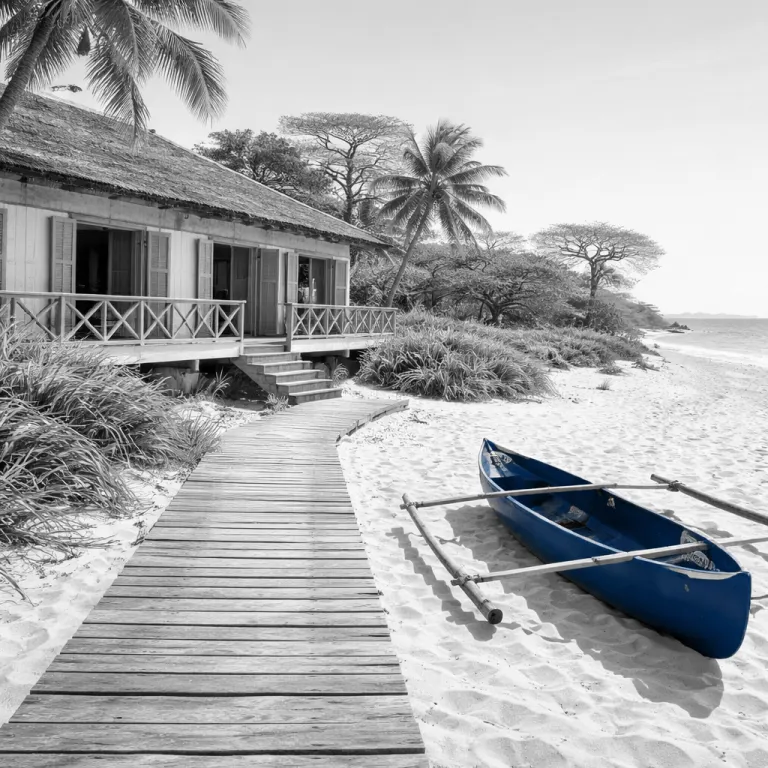
Where the luxury recovery is strongest in Madagascar tourism
Madagascar tourism in 2026 is shaping into a surge year for high-end stays. The Office National du Tourisme de Madagascar (ONTM) and Madagascar National Parks are steering this recovery through events such as the International Tourism Fair in Antananarivo, where ecotourism, conservation finance and digital booking tools now dominate the conversation. For business-leisure travelers extending a work trip into a long weekend, this translates into more polished options in key areas but also sharper competition for the best rooms and suites.
The rebound is concentrated around Antananarivo, Nosy Be, and the flagship national parks that anchor most Madagascar tours. Luxury demand is rising fastest where air access is reliable and where a guest can move from a meeting in the capital to a private vehicle and then a seafront suite in a single day, which is why premium properties near Ivato International Airport and on Nosy Be’s beaches are already reporting tight August–September and October–November calendars, according to recent booking updates shared by several inbound tour operators. Sector communications from the national tourism board, drawing on ONTM’s 2023 statistical bulletin, point to roughly three hundred and thirty thousand international visitors in the last full season, and the current pipeline for Madagascar travel suggests that the next wave will stress inventory more than infrastructure as average length of stay and spend per visitor both edge upward.
Pressure is uneven though, and that matters if you plan to travel Madagascar on a tight schedule. Rural areas around lesser-known national parks still see softer demand, while iconic sites such as the Avenue of the Baobabs and Andasibe-Mantadia National Park are filling up for the prime June–July and July–August dry months. For travelers comparing one Madagascar tour with another, the real constraint is no longer whether tours Madagascar can operate, but whether the right room category is still available when your small group or corporate delegation is finally ready to confirm; several destination management companies now advise clients—based on internal booking data from 2022–2024—to secure their preferred lodge at least six to nine months before peak season departures, especially where total room counts are under thirty keys.
Inventory bottlenecks, seasons and what this means for booking
The constraint map for Madagascar tourism 2026 is already clear to operators who manage both air seats and suites. Island retreats around Nosy Be, near park lodges in Andasibe-Mantadia National Park and high-end camps close to Tsingy de Bemaraha and Isalo National Park are the first to sell out for the dry season, especially for August–September and September–October departures. One Antananarivo-based operator notes that “our ocean-view suites at key beach properties now close out almost a year ahead for European school holidays,” a statement backed by internal occupancy reports showing average lead times of ten to twelve months for July and August, underscoring how quickly premium inventory disappears. If you want a guaranteed ocean-view suite or a villa with a private pool, you now need to think in terms of booking windows measured in quarters, not weeks.
Seasonality sharpens these bottlenecks, because the November–April wet season pushes most luxury wildlife travel into a narrower dry window. Whale watching around Île Sainte-Marie, prime lemur viewing in the eastern rainforests and photography-focused Madagascar tours around the Avenue of the Baobabs all cluster in the same June–July and July–August period, which compresses demand for both flights and rooms. Executives planning to combine meetings in Antananarivo with a short Madagascar tour should secure rooms before locking in air schedules, not the other way around, and for August–September travel many specialists now recommend confirming core hotel and lodge reservations at least nine months in advance; on some domestic routes such as Antananarivo–Nosy Be, this aligns with airline schedules that currently offer several weekly frequencies but limited premium cabin seats.
Risk management is also becoming more sophisticated as higher-spending guests look beyond the room rate. Comprehensive travel insurance that includes medical evacuation is now standard for many small group itineraries, especially those that venture into rural areas far from a national hospital. Our review of current policies used by Madagascar travel specialists, based on sample contracts from three major regional underwriters, shows that the best options explicitly cover delays during the wet season, missed connections on domestic air routes and emergency medical care in both urban and remote areas, with clear limits for evacuation by charter aircraft where road access is unreliable and where landing strips may only accommodate light aircraft.
Sustainability, service and the new luxury standard in Madagascar
As demand rises, the most interesting story in Madagascar tourism 2026 is how sustainable properties absorb pressure without diluting service. Operators with smaller footprints near national parks are using solar power, rainwater harvesting and low-impact construction to keep guest numbers controlled while maintaining high staff-to-guest ratios, which is now a key differentiator for discerning travelers. This is especially visible in rural areas where a carefully managed small group can have an intense wildlife day without overwhelming local communities or fragile habitats, and where lodge managers can still personalize guiding, dietary needs and departure times; at several flagship eco-lodges, internal staffing plans now target at least one guide for every four guests during peak wildlife season.
Digitalization is reshaping how high-end guests interact with the national tourism ecosystem. The fully digital registration and Vanilla Pay system at the International Tourism Fair in Antananarivo signals a broader shift toward seamless online booking, real-time availability and a more transparent review culture for Madagascar tours, from air transfers to private guides. For travelers comparing options for travel Madagascar, this means you can now evaluate a lodge’s sustainability credentials, service levels and medical readiness before you ever step into a vehicle, often using operator-supplied dashboards that summarize certifications, community projects and safety protocols, alongside live occupancy indicators that show when only a handful of premium rooms remain.
Strategic planning remains essential for executives who want both efficiency and depth from their Madagascar travel. Align your tour dates with your risk appetite for the wet season, choose operators who build travel insurance and medical evacuation protocols into every itinerary, and prioritize properties that limit guest numbers while offering strong local hiring and training. In a year when the country’s tourism recovery is accelerating, the most rewarding Madagascar tour experiences will go to those who treat time, season and sustainability as seriously as they treat the view from their suite, and who are willing to confirm key services early enough to secure first-choice guides and rooms in a market where top-end capacity is still measured in dozens rather than hundreds of beds per destination.