How to read “eco lodge Madagascar luxury” claims with a critical eye
Every search for eco lodge Madagascar luxury options in Madagascar returns poetic promises of untouched beach coves and responsible travel. Behind the soft lighting and ocean views, your task as a traveler is to read those claims with the same care you would give to a complex wine list, especially when hotels and lodges use sustainability language loosely. On an island where infrastructure is fragile and biodiversity is irreplaceable, the way a luxury lodge operates matters as much as the thread count on your sheets.
Start by checking whether the lodge located in your chosen region appears in independent eco-certification databases, because only a handful of luxury hotels in Madagascar currently meet audited standards. The most widely recognized label for hotels and hotels resorts here is Green Globe, and “What is Green Globe certification?” “An international standard for sustainable tourism.” When you read a property description that mentions eco lodge Madagascar luxury credentials, look for specific references to Green Globe or Eco Luxury membership rather than vague “green” language.
Numbers help you separate marketing from measurable action, especially when comparing different places to stay across the nosy archipelago or along the Mandraré River. Recent data shows that just two lodges in Madagascar hold Green Globe certification and one lodge is listed as an Eco Luxury member, which is a tiny fraction of the total number of hotels Madagascar offers to international guests. When a hotel or lodge claims alignment with these standards without naming the scheme, ask directly whether their eco lodge Madagascar luxury positioning has been independently audited or is self declared.
Location also shapes what sustainability can realistically look like, because a beach lodge on a remote island faces different constraints from a forest lodge near a national park. A property located on a coral ringed island such as Tsarabanjina will talk about reef protection and waste by boat, while a river camp along the Mandraré River will focus on water use and community grazing rights. When you read about eco lodge Madagascar luxury experiences, pay attention to whether the lodge explains these local trade offs clearly or hides them behind generic paradise imagery.
Certification, solar power and what really counts beyond the grid
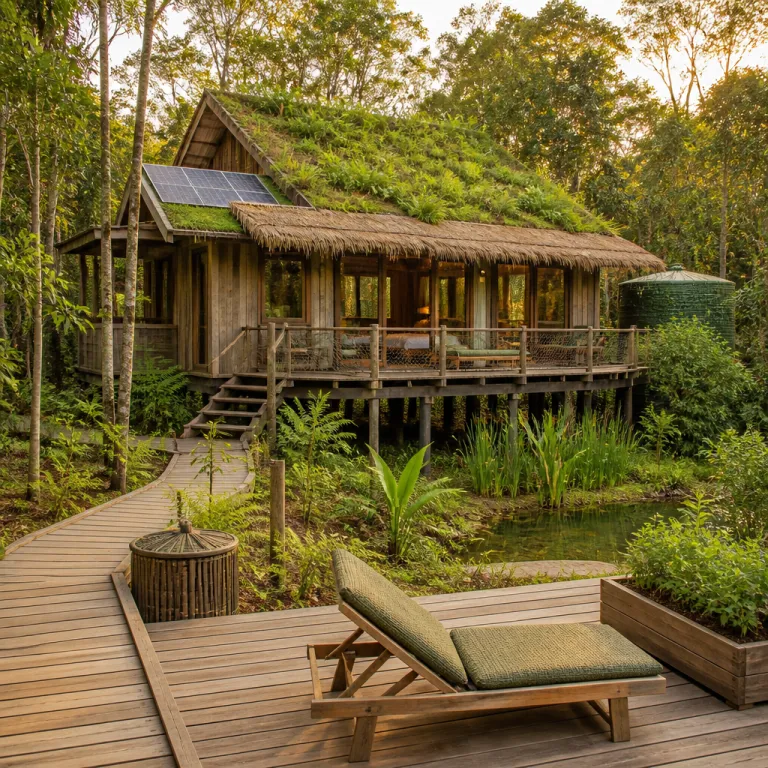
On a map, eco lodge Madagascar luxury retreats cluster around three main biomes in Madagascar: the beach and island fringes, the dry western massifs and the humid eastern parks. Many of these hotels and lodges sit far from any power line, which means solar panels are often a baseline necessity rather than a bold environmental gesture. When a hotel highlights solar power as its headline sustainability feature, ask what else they do once the batteries are charged.
True leaders among luxury hotels in Madagascar pair solar systems with efficient design, low impact construction and careful water management, especially in fragile beach forest ecosystems. A forest lodge such as Mantadia Lodge near Andasibe Mantadia National Park, or a property close to Amber Mountain National Park in the north, should be able to explain how insulation, natural ventilation and limited air conditioning reduce overall energy demand. When you read about eco lodge Madagascar luxury properties that are located in cooler mountain national regions, expect them to emphasize passive design as much as photovoltaic capacity.
Island properties like Constance Tsarabanjina on the private island of Tsarabanjina in the Nosy Be area often run entirely off grid, so solar power there is simply the only viable option. Constance Hotels and other high end hotels resorts in the nosy archipelago sometimes complement solar with backup generators, and the most transparent operators publish their fuel use and reduction targets. Before you book, use guides such as this analysis of the resort Madagascar category region by region on how resort standards vary across Madagascar to benchmark what a serious eco lodge Madagascar luxury commitment should look like in each region.
Certification adds another layer of accountability, because Green Globe and Eco Luxury members undergo periodic audits that go far beyond a one time checklist. When a lodge located in a remote park claims alignment with these frameworks, ask how often they are assessed and whether reports are publicly available. If a property is not yet certified but aspires to eco lodge Madagascar luxury standards, look for a clear roadmap with dates, responsible staff and measurable goals rather than indefinite intentions.
Community, employment and what “local” really means at a luxury lodge
For many travelers, the promise of eco lodge Madagascar luxury is as much about people as it is about wildlife, especially when your stay supports communities that have lived beside these forests and beaches for generations. In practice, the word “local” can mean anything from a token handicraft display in the hotel lobby to a deep employment and training pipeline for nearby villages. Your role as an evaluator is to read between the lines and ask how money, skills and decision making power actually flow.
Start with employment, because a lodge located near a village should be able to show how many staff come from that immediate area and how many hold supervisory roles. Properties such as Anjajavy Lodge on the northwest coast, Tsara Komba on Nosy Komba in the nosy archipelago and Mantadia Lodge in the east often highlight training programs that turn entry level roles into long term careers. When a hotel markets itself as eco lodge Madagascar luxury, ask whether their management team includes Malagasy professionals and how they support language, guiding and hospitality qualifications.
Community benefit also extends beyond payroll, especially in regions where tourism is one of the few cash economies. Some river camp style lodges along the Mandraré River co design conservation agreements with local communities, linking forest protection to direct financial benefits and education projects. When you read about eco lodge Madagascar luxury experiences that mention village visits or cultural performances, check whether these are paid at fair rates and whether communities have a say in how their culture is presented.
Handicrafts and cultural excursions can be powerful when handled respectfully, particularly in regions like the highlands where wood carving traditions thrive. Before booking, look for detailed descriptions of how a lodge works with artisans, then compare that with independent reports such as this guide to a family day trip to the Zafimaniry wood carving villages south of Ambositra on what a responsible cultural visit involves. If a property claims eco lodge Madagascar luxury credentials but offers only staged performances with no clear benefit to participants, consider whether your stay will genuinely support local livelihoods.
Water, waste and the hard logistics of remote island and forest stays
Behind every serene image of eco lodge Madagascar luxury on a white sand beach lies a complex web of water tanks, septic systems and supply boats. Madagascar’s most remote hotels and lodges operate in places where municipal services simply do not exist, which makes their choices on water and waste management central to their environmental impact. As a guest, you can ask precise questions that reveal whether a property has done the hard engineering work or simply outsources the problem to the next tide.
On small islands such as Tsarabanjina or in the nosy archipelago, freshwater is often the scarcest resource, so desalination and rainwater capture become essential. A beach lodge that markets itself as eco lodge Madagascar luxury should be able to explain how many litres per guest per day they use, whether greywater is treated for irrigation and how they prevent saltwater intrusion into fragile beach forest ecosystems. When a lodge located on a private island like Constance Tsarabanjina shares this level of detail, it signals serious planning rather than surface level green messaging.
Forest properties near a national park, such as Mantadia Lodge by Andasibe Mantadia or lodges around Amber Mountain National Park, face different constraints, especially around sewage and solid waste. Here, eco lodge Madagascar luxury standards mean sealed septic systems, regular testing and strict controls on detergents to protect streams that feed lemur habitats. Ask where rubbish goes after it leaves the hotel, because responsible lodges often backhaul waste to larger towns rather than burning or burying it on site.
Logistics also shape food sourcing and packaging, particularly for river camp operations along the Mandraré River or remote hotels resorts in the west. Importing everything by boat or 4x4 is expensive, which can make local sourcing both an economic and environmental advantage when managed carefully. When you read about eco lodge Madagascar luxury dining, look for menus that change with seasonal produce, clear policies on single use plastics and honest explanations of what they still struggle to improve.
Carbon, conservation and how your stay fits into Madagascar’s bigger picture
Eco lodge Madagascar luxury experiences sit at the intersection of personal comfort and planetary cost, especially once you factor in long haul flights to Madagascar. The country has taken steps to engage with international carbon markets, including participation in aviation frameworks that aim to balance emissions with verified offsets. For travelers, the key question is how individual hotels and lodges translate these national level commitments into concrete conservation and carbon projects on the ground.
Some luxury hotels and lodges channel part of their room rate into reforestation or forest protection schemes, particularly around emblematic landscapes such as the limestone pinnacles of the Tsingy de Bemaraha, often referred to as des Tsingy, or the humid forests near mountain national parks. When a lodge located near a protected area claims to offset your stay, ask which project they support, who verifies it and how leakage and permanence are addressed. Serious eco lodge Madagascar luxury operators will reference recognized standards and provide reports rather than relying on vague tree planting promises.
Marine and coastal conservation also play a growing role, especially for beach lodge properties in the nosy archipelago and along the Sainte Marie channel. If you are considering refined island stays, use resources such as this dedicated Île Sainte Marie travel guide for refined stays on a tropical island on how to choose responsible island retreats to benchmark best practice. When a hotel markets itself as eco lodge Madagascar luxury on a coral reef, look for no take zones, reef monitoring partnerships and strict anchoring rules.
Finally, remember that conservation impact is often hyper local, particularly around lodges such as Anjajavy Lodge on the northwest coast or Tsara Komba in the nosy archipelago. These properties manage private reserves, community forests or marine zones where your stay directly funds rangers, guides and monitoring, which can be more tangible than distant carbon credits. When you read about eco lodge Madagascar luxury projects, prioritize those that show clear maps, species lists and long term partnerships with environmental organizations over generic sustainability pledges.
Food, sourcing and the realities of island supply chains
One of the quiet pleasures of eco lodge Madagascar luxury travel is tasting ingredients that have not crossed an ocean to reach your plate. Vanilla scented desserts, zebu carpaccio and just caught ocean fish appear on many menus, but the way a lodge sources and manages this food tells you a great deal about its ethics. In a country where roads are rough and cold chains fragile, local sourcing is both a sustainability strategy and a logistical necessity.
Ask how much of the produce comes from within a 50 kilometre radius of the lodge located in your chosen region, and whether they work with specific farmers or cooperatives. Properties such as Tsara Komba on Nosy Komba, Anjajavy Lodge on the northwest coast and Mantadia Lodge in the eastern highlands often highlight kitchen gardens, agroforestry plots and long term relationships with fishing communities. When a hotel presents itself as eco lodge Madagascar luxury, it should be able to name the villages and suppliers behind its menus rather than relying solely on imported goods.
Waste reduction is the other half of the equation, particularly at remote beach lodge properties and river camp operations where every kilogram of rubbish must be carried out. Ask whether the hotel separates organic waste for composting, how they handle glass and metal and what they do to minimize single use plastics in the first place. Serious eco lodge Madagascar luxury kitchens plan menus around whole animal use, seasonal gluts and preservation techniques that reduce spoilage.
Dietary preferences and allergies add complexity, especially for solo travelers who may stay several nights at the same property. The most thoughtful hotels and lodges in Madagascar balance flexibility with a low waste philosophy, offering a small but changing selection rather than sprawling buffets that encourage excess. When you read about eco lodge Madagascar luxury dining experiences, look for language about set menus, pre ordering and portion control, which often signal a kitchen that thinks carefully about both pleasure and footprint.
A solo traveler’s checklist for assessing eco lodge Madagascar luxury claims
Evaluating eco lodge Madagascar luxury credentials as a solo traveler can feel daunting, but a structured approach turns it into a rewarding part of the journey. Think of yourself as an evaluator in an ongoing process that starts with pre trip research, continues through on site observation and ends with a thoughtful post stay review. Your questions and feedback help shift demand toward lodges that treat sustainability as a daily practice rather than a marketing angle.
Before you book, verify eco certifications through official databases and ask the hotel to confirm any Green Globe or Eco Luxury status in writing. Use lodge websites, travel forums and environmental organization reports to cross check claims, paying special attention to properties located near a national park, a sensitive beach forest or a river camp corridor such as the Mandraré River. When you search for eco lodge Madagascar luxury options, keep a short list of non negotiables such as transparent water treatment, local employment and measurable conservation contributions.
During your stay, observe how staff talk about the environment, how waste is handled and whether energy saving measures are actually used in practice. In a beach lodge on an island like Tsarabanjina or a forest lodge near Amber Mountain National Park, ask guides about wildlife pressures and how the lodge supports park management. If a property markets itself as eco lodge Madagascar luxury but leaves lights blazing, engines idling and rubbish unmanaged, note these contradictions in your post stay review.
After you leave, share specific, constructive feedback that future travelers and lodge managers can read and act upon. Highlight hotels Madagascar wide that align their luxury offers with credible eco practices, from Constance Hotels properties like Constance Tsarabanjina to independent lodges such as Anjajavy Lodge, Tsara Komba and Mantadia Lodge. Your detailed reviews help other travelers choose places to stay that honour Madagascar’s ocean, forests and communities while still delivering the level of comfort you expect from true eco lodge Madagascar luxury experiences.
Key figures on eco certifications and sustainable lodges in Madagascar
- Only two lodges in Madagascar are currently listed as Green Globe certified, which makes independently audited eco lodge Madagascar luxury options the exception rather than the rule (Green Globe data, ongoing).
- One lodge in Madagascar is registered as an Eco Luxury member, highlighting how rare third party verified luxury hotels with strong sustainability credentials remain in the country (Eco Luxury data, ongoing).
- Travel organizations report a clear increase in demand for sustainable accommodations in Madagascar, which is driving more hotels and lodges to seek eco certifications and improve transparency around their practices (industry trend reports, recent years).
- Travelers are encouraged to “Verify eco-certifications, ask about sustainability initiatives, observe practices during stay” to accurately assess the environmental impact of their chosen lodge (expert guidance from sustainable tourism resources).
FAQ: evaluating eco lodge Madagascar luxury stays
How can I verify a lodge’s eco credentials before booking ?
Start by checking official eco certification databases for Green Globe or Eco Luxury listings, then cross reference claims on the lodge’s own website. If a property mentions certification without naming the scheme, email them and ask for the exact program and current status. During your stay, compare what you read with what you see on the ground, especially around water, waste and energy use.
What is Green Globe certification and why does it matter in Madagascar ?
Green Globe is an international standard for sustainable tourism that assesses energy, water, waste, community engagement and biodiversity protection through independent audits. In Madagascar, where only a small number of lodges currently hold this certification, it acts as a strong signal that a property’s eco lodge Madagascar luxury claims are backed by measurable action. Choosing such hotels helps reward operators who invest in long term environmental and social performance.
How do I know if a lodge genuinely benefits local communities ?
Ask what percentage of staff come from nearby villages, how many hold supervisory roles and what training programs exist for career progression. A serious eco lodge Madagascar luxury operator will also describe specific community projects, from school support to conservation agreements, with clear budgets and partners. During your stay, talk with guides and staff about their experience to see whether the official narrative matches daily reality.
Are island lodges more sustainable than mainland properties ?
Island lodges often rely on solar power and local sourcing because importing fuel and goods is expensive, which can reduce some impacts. At the same time, they face acute challenges around freshwater, waste disposal and reef protection, so eco lodge Madagascar luxury standards depend on how well these issues are managed. Mainland forest lodges near national parks may have better access to supplies but must handle sewage, erosion and wildlife disturbance carefully.
What questions should a solo traveler ask on arrival at a luxury lodge ?
Good starting points include how water is treated, where waste goes, how energy is generated and what percentage of food is sourced locally. You can also ask about partnerships with nearby communities, contributions to national park management and any current conservation projects. The way staff respond to these eco lodge Madagascar luxury questions often reveals more than any brochure.