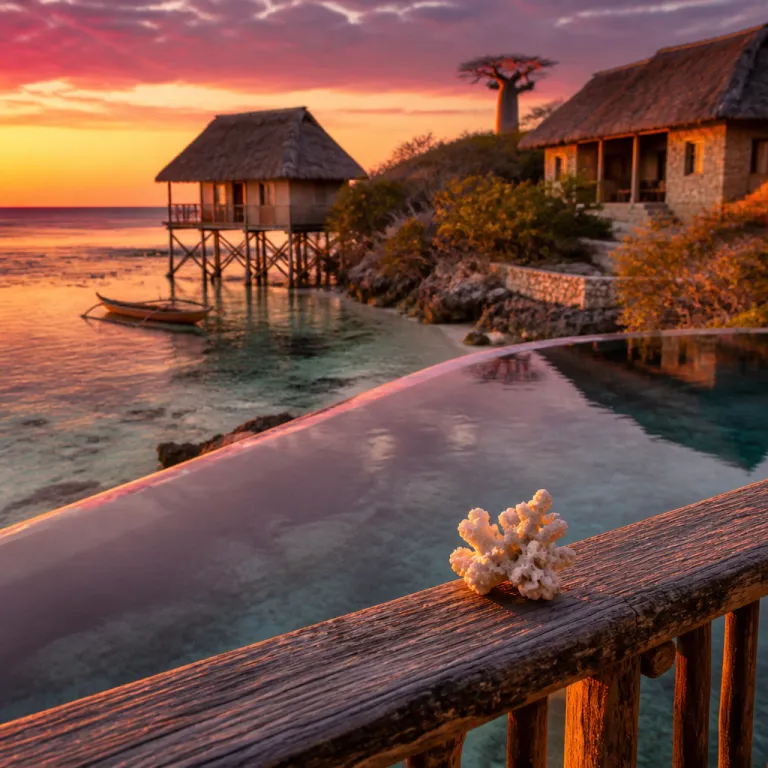
Resort Madagascar on the coast: what “resort” really means by the sea
On the coasts of Madagascar, the phrase resort Madagascar usually signals a beach focused escape with layered logistics behind the scenes. A resort in this part of Madagascar is defined as a facility offering lodging, meals, and recreation, yet the way those elements appear on a wild Indian Ocean shoreline differs sharply from Caribbean or Mediterranean models. Couples arrive expecting polished hotels and resorts, but the most rewarding stays lean into nature, local culture, and the island’s unpredictable rhythms.
Along the northern Madagascar coastline around Nosy Be, the word resort often covers everything from a simple beach lodge to a full service property with a pool, spa, and dive center. Here, the best hotels resorts sit on sheltered bays or a secluded islet, with panoramic views across the Indian Ocean and easy boat access to smaller nosy islands. You might book a lodge located on the sand that calls itself a resort, yet it feels more like a relaxed forest lodge with palm shade and coral reefs instead of dense forest.
On the western Madagascar shores near Morondava and Belo sur Tsiribihina, a coastal resort Madagascar stay can mean a base for visiting the Avenue des Baobabs or the des Tsingy formations inland. These seaside properties usually offer simpler rooms, a small pool, and direct beach access, prioritizing sunset views over high tech amenities. When you compare these western Madagascar properties with northern beach resorts, you notice fewer staff, more reliance on local suppliers, and a stronger sense of being at the edge of the map, with longer transfer times and rougher tracks once you leave the main road.
Northern Madagascar islands: private retreats, barefoot luxury, and tsingy gateways
In northern Madagascar, the resort Madagascar label stretches from classic beach resorts on Nosy Be to rarefied private island sanctuaries. The most emblematic example is Constance Tsarabanjina, a resort on the island of Tsarabanjina that redefines barefoot luxury with just a handful of villas on a secluded islet. Here, the resort’s pool is the lagoon itself, and the panoramic views sweep from coral shallows to the open Indian Ocean.
Constance Tsarabanjina positions itself as both a beach lodge and a refined resort, with all inclusive dining that follows the seasons and the fishing boats rather than a fixed global menu. In practice, that means grilled fish caught hours earlier, local vanilla in desserts, and wine lists that adapt to what can realistically reach this remote island. When you book this kind of resort Madagascar experience, you trade the variety of big city hotels for a tighter, fresher rotation of dishes shaped by weather and supply chains.
Nearby, the island of Nosy Komba hosts Tsara Komba, a forest lodge style retreat that still appears in many resort Madagascar searches. Tsara Komba sits above a quiet beach, with suites carved into the forested hillside and an intimate, elevated vantage point as you look down over the bay. For couples, these northern Madagascar lodges offer a different intimacy than larger resorts; you wake to birds in the forest, take a boat to snorkel, then watch the sun sink behind distant nosy silhouettes from your terrace. For multi region itineraries that link these islands with the tsingy or highlands, use a specialist routing guide such as how to string five regions into one Madagascar trip without losing a day to logistics.
Forest and national park lodges: when a “resort” is really a wildlife base
Move away from the coast and resort Madagascar starts to mean something else entirely, especially near a national park or remote forest. In these regions, a lodge located on a riverbank or ridge may use the resort label, yet its soul is that of a conservation focused forest lodge. Couples who come here are usually chasing lemurs, chameleons, and rare birds rather than beach cocktails.
Take the Masoala Forest region on the northeast peninsula, where the rainforest meets the Indian Ocean in a tangle of roots and waves. Properties here, sometimes described as eco resorts, operate as gateways to Masoala National Park and the adjacent marine reserve, with guided walks, sea kayaking, and night walks replacing the usual resort entertainment. The forest itself becomes the pool, spa, and cinema, and the soundtrack is the indri’s call rather than a DJ.
Further north, Amber Mountain National Park and the nearby mountain national reserves offer cooler air and moss draped trails that feel a world away from the beach. Lodges around Amber Mountain often market themselves as resorts to signal that they provide meals, guided activities, and comfortable rooms in an otherwise rural area. Solo travelers who want this level of service without feeling out of place in honeymoon territory should look at curated lists of solo friendly lodges where one guest is not an afterthought, because many forest lodges welcome both couples and independent guests with equal warmth.
Western Madagascar and the tsingy: rugged “resorts” at the edge of the map
Western Madagascar is where the word resort Madagascar stretches furthest from its usual meaning, especially around the tsingy formations. Near Tsingy Bemaraha National Park, some properties describe themselves as resorts, yet they feel more like expedition lodges with a pool and a bar. The focus here is access to the des Tsingy landscapes, not infinity edge aesthetics.
These western Madagascar lodges typically sit on dusty plateaus or riverbanks, with simple rooms, reliable hot water, and hearty meals that fuel long days on the trails. A small pool becomes a social hub at sunset, while panoramic views take in limestone pinnacles or the wide Manambolo River rather than manicured gardens. When you book a resort Madagascar stay in this region, you are paying for proximity to Tsingy Bemaraha and experienced guides, not for marble lobbies or elaborate spas.
Further north along the same coast, Anjajavy Lodge occupies a private reserve where dry forest meets quiet coves, and it often appears in resort Madagascar searches despite its lodge identity. Anjajavy Lodge offers a rare blend of beach, forest, and wildlife, with lemurs in the trees, mangroves along the shore, and a series of small beaches that feel like your own secluded islet. For couples, this kind of property delivers luxury through space, silence, and nature rather than through urban style glamour, and it underlines why you should read beyond the word resort when planning a western Madagascar journey.
Private islands and coastal hideaways: decoding luxury for couples
For many couples, resort Madagascar means one thing above all else; a romantic beach escape on a small island with warm water and soft sand. Around Nosy Be and its satellite islands, you will find a spectrum of hotels resorts that run from lively, family friendly complexes to quiet, adults oriented retreats. The key is understanding how each property balances beach, pool, and privacy.
On Tsarabanjina, Constance Tsarabanjina sets the benchmark for private island luxury in Madagascar, with villas scattered along two beaches and no cars or crowds. The resort’s design keeps you close to nature, with open air lounges, thatched roofs, and a constant view of the Indian Ocean from almost every angle. Couples who want a similar mood with a stronger forest presence often gravitate to Tsara Komba on Nosy Komba, where the beach lodge atmosphere blends with dense greenery and elevated decks.
Elsewhere in northern Madagascar, smaller nosy islands host intimate beach lodges that may or may not use the resort label, yet they share a focus on seclusion and water based activities. Many of these lodges offer snorkeling, diving, and sailing, with local guides who know every reef and current. If you are comparing options, use curated overviews such as this guide to Madagascar beach resorts and luxury escapes on pristine shores to match your expectations with the right island, because the gap between a lively Nosy Be hotel and a quiet secluded islet retreat can be vast.
How to choose your resort Madagascar: service, seasons, and realistic expectations
Choosing the right resort Madagascar stay starts with accepting that service models differ from other tropical destinations. Staffing levels are often leaner than in Southeast Asia, and many teams are drawn from nearby villages rather than international hotel schools. That local expertise pays off on the ground, especially when you are navigating forest trails, tidal channels, or national park regulations.
On an island where supply chains are fragile, all inclusive usually means generous, freshly cooked meals and a good selection of drinks, but not an endless buffet of imported brands. Menus follow the seasons and the fishing conditions, so you might have lobster several nights in a row when the catch is strong, then shift to zebu or vegetarian dishes when the sea is rough. This rhythm is part of the authenticity of a resort Madagascar experience, and couples who embrace it tend to leave with richer memories.
Seasonality also shapes what is open and when, especially in northern Madagascar and along the east coast where cyclone risks are higher. Some island resorts and beach lodges close for several weeks during the wettest months, using the downtime for maintenance and staff training. According to summaries published by Madagascar’s Ministry of Tourism and regional hotel associations, many coastal and forest properties report relatively strong occupancy and high guest satisfaction, but figures vary by season and region, so always check the latest data or ask your lodge for current trends.
Key figures for resort Madagascar and regional stays
- Resort occupancy in Madagascar is often described as relatively high compared with the country’s limited air access, especially during the main dry season from roughly May to October, in line with trends noted in recent Ministry of Tourism briefs and airline capacity reports.
- Guest satisfaction scores reported by many lodges and resorts frequently exceed 80 %, reflecting how well local teams manage expectations in remote environments; these figures usually come from internal guest surveys and online review platforms rather than a single national study.
- Regional resort classification work is reviewed periodically, helping align service levels in northern Madagascar, western Madagascar, and national park regions with evolving traveler standards, as outlined in official tourism strategy documents.
- Eco friendly resorts and forest lodges now represent a growing share of new openings, mirroring global demand for nature based stays that still deliver comfort, a trend highlighted in international ecotourism market analyses and local investment reports.
FAQ about resorts and lodges in Madagascar
What defines a resort in Madagascar compared with a standard hotel ?
Across Madagascar, a resort is generally understood as a property that combines lodging, meals, and recreation in one integrated setting, often in a remote or coastal location. Many resorts also arrange guided activities such as snorkeling, forest walks, or national park excursions. In contrast, a standard hotel may focus mainly on rooms and breakfast, leaving activities to external operators.
How are resorts categorized by region in Madagascar ?
The Tourism Ministry and local partners use regional assessments, surveys, and market analysis to classify resorts according to amenities and location. Coastal resorts, forest lodges near a national park, and island retreats are evaluated against different criteria that reflect their context. This regional approach helps travelers compare options within northern Madagascar, western Madagascar, and other key areas more fairly.
Are there eco friendly resorts and forest lodges in Madagascar ?
Yes, Madagascar has a growing number of eco friendly resorts and forest lodges, especially near Masoala Forest, Amber Mountain, and Tsingy Bemaraha. These properties often use solar power, limit plastic, and work closely with local communities on conservation projects. When you see a resort Madagascar listing that emphasizes nature and sustainability, it usually signals this eco conscious approach.
What should couples expect from all inclusive stays on remote islands ?
On remote islands such as Tsarabanjina or Nosy Komba, all inclusive usually covers full board meals, non motorized activities, and selected drinks rather than every possible imported brand. Menus change with the catch and the season, and some premium wines or spirits may carry supplements. The trade off is fresher food, a closer link to local producers, and a more authentic sense of island life.
How can travelers plan a multi region resort itinerary in Madagascar ?
Because internal flights and road conditions can be unpredictable, it is wise to work with specialists or use detailed routing guides when combining beach resorts, forest lodges, and tsingy bases. Many travelers pair northern Madagascar islands with a national park stay or a western Madagascar tsingy adventure, building in buffer days for logistics. Checking current resort classifications and seasonal closures before booking helps ensure that each region delivers the experience you expect.