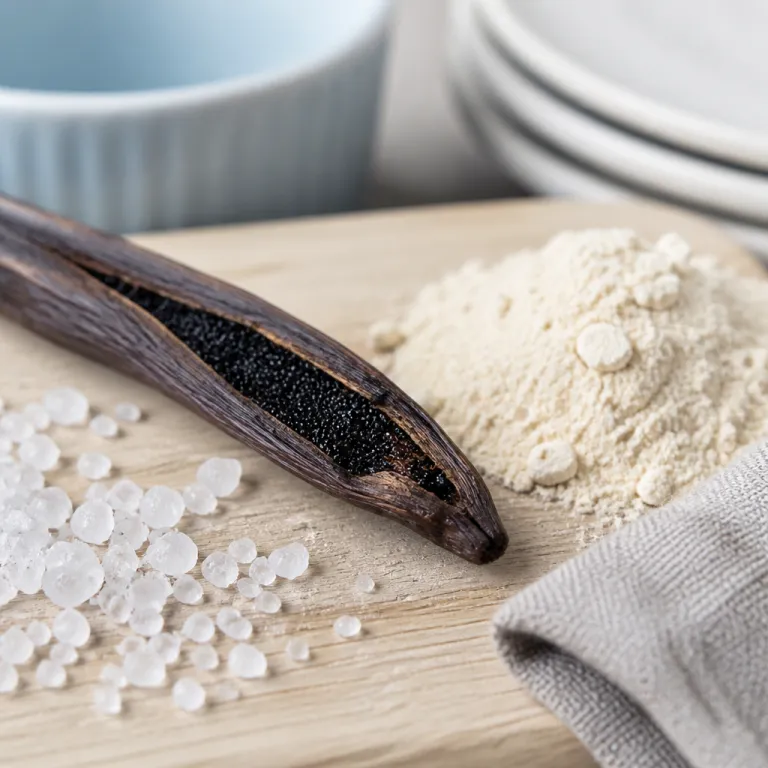
Madagascar lodge cuisine dining as a reason to choose your stay
Madagascar lodge cuisine dining is no longer an afterthought for high end travelers. In remote regions where the nearest independent restaurant or bar may be hours away by piste, the kitchen defines whether a luxury hotel stay feels perfunctory or unforgettable. For business leisure guests extending their dates after meetings in Antananarivo, the right lodge turns every breakfast and dinner into a masterclass in contemporary Madagascar cuisine.
Across the island, the best hotels now treat the restaurant hotel as a culinary flagship rather than a simple amenity. General managers recruit lodge chefs as headline talent, then give them the freedom to build a menu around fresh local produce instead of imported clichés. At Anjajavy le Lodge on the northwest coast, for example, the team works closely with nearby villages to showcase zebu, wild pepper and Indian Ocean seafood in both singular plate presentations and generous sharing platters, a pattern echoed at properties such as Tsara Komba Lodge near Nosy Be and Princesse Bora Lodge on Île Sainte-Marie.
This evolution is not cosmetic; it is structural and deeply tied to supply chains. In many coastal sites, fishermen land their catch directly at the beach below the lodge, while inland properties rely on a tight network of local farmers for vegetables, fruit and herbs. Internal feedback from leading properties such as Anjajavy and Princesse Bora suggests that a large majority of ingredients now come from nearby producers, and even a conservative estimate of well over half of all supplies being local changes how you should evaluate a room, a bed and even the stars rating when you book.
For the executive traveler used to global brands, this focus on terroir can be disorienting at first. You might arrive expecting a predictable breakfast buffet and a familiar club sandwich by the pool, only to be offered cassava crêpes, smoked fish and vanilla scented rice instead. Yet once you taste how a skilled lodge chef handles rhum arrangé infusions, grilled lobster and slow cooked zebu, you understand why choosing a property for its kitchen can matter more than its lobby design or the thread count on the bed linen.
From unpaved roads to the plate : how remote lodges source ingredients
Behind every refined plate in Madagascar lodge cuisine dining lies a logistical puzzle. Many of the most atmospheric hotels sit at the end of unpaved roads, where a supply truck can take half a day to cover 80 kilometers and public areas are surrounded by forest rather than supermarkets. In this context, lodge chefs become quiet strategists, balancing seasonal availability, storage constraints and the expectations of international guests who still want reliable wifi, a comfortable room and a polished restaurant hotel experience.
Most high end lodges now work with a constellation of local farmers and fishermen instead of a single distributor. At Tsara Komba Lodge, for instance, the kitchen team collaborates with small scale fishers from nearby coves and a handful of family farms for fruit and vegetables. Internal records from several properties show partnerships with around 15 nearby suppliers, which allows kitchens to maintain a breakfast buffet of tropical fruit, eggs and pastries even when a storm cuts off the main road. When asked how they manage this in such remote sites, one chef at a coastal eco lodge summed it up during a recent interview: “We stopped chasing trucks from the city. Now we plan menus with the farmers and fishermen who live within an hour of the hotel.”
That local network shapes what you will find on the menu from day to day. If the sea is rough, expect more zebu and organic garden vegetables; when the lagoon is calm, the restaurant might lean into grilled prawns, line caught fish and delicate ceviche served with flavors Madagascar expressed through citrus and wild pepper. For travelers planning dates around whale season or reef snorkeling, pairing a marine focused itinerary with a coastal lodge that respects these rhythms can be as rewarding as any wildlife excursion, and resources such as a detailed Nosy Boraha snorkeling and whale calendar help align your stay with the ocean’s own calendar.
Even inland, where there is no beach to land the catch, the same philosophy applies. Chefs visit weekly markets, pre book harvests from specific plots and sometimes help finance irrigation so that the organic garden projects around the lodge can supply herbs and salad greens year round. At some highlands properties, kitchen teams share photos of their market runs and garden harvests in the bar or public areas, turning a simple breakfast or bar snack into a traceable story from the farmer’s field to the plate beside your pool lounger or the tray set discreetly in your room when late meetings run over.
Vanilla, cocoa, wild pepper and zebu : building a culinary identity
The most compelling Madagascar lodge cuisine dining experiences lean into the island’s emblematic ingredients. Vanilla, cocoa and wild pepper travel from plantation regions to the pass, turning even a modest dessert into a geography lesson for guests who care where their food comes from. When you choose a hotel in these areas, you are not just booking a bed and a room; you are booking proximity to the source of Madagascar cuisine itself.
On the east coast, lodges near vanilla plantations often arrange visits where travelers walk through shaded plots before tasting custards, ice creams and rhum arrangé steeped with pods harvested only a few kilometers away. Inland, around the highlands and artisan villages, some properties pair cocoa based desserts with excursions to wood carving communities, and a thoughtful itinerary might include a day trip such as a Zafimaniry wood carving village experience followed by a dinner that showcases flavors Madagascar through smoked zebu and spiced chocolate. In both singular and plural forms, these ingredients become the narrative thread that connects excursions, meals and the overall sense of place.
Zebu, the humped cattle that define Malagasy landscapes, sits at the center of many lodge menus. In the north, chefs might serve it as a carpaccio with wild pepper and fresh local greens from the organic garden, while southern properties lean toward slow braises and grills that suit cooler evenings and stargazing by the bar. At Anjajavy, for example, the kitchen alternates between refined zebu fillets and more rustic skewers cooked over charcoal, and for families traveling with children, the best hotels offer both these preparations for adults and gentler versions for younger palates, ensuring that everyone at the table feels the restaurant hotel is the perfect place to end a day of exploring cultural sites or coastal trails.
One executive chef at a northwest coast lodge describes a typical signature plate as “charcoal grilled zebu fillet with green pepper sauce, roasted cassava and a salad of organic garden leaves with citrus vinaigrette.” In his words, “about two thirds of what is on that plate comes from within 30 kilometers of the hotel, and guests can meet the farmer who grew the greens or the family who raised the cattle.” This kind of concrete sourcing story turns an elegant dinner into a grounded, place specific experience.
This ingredient driven approach also reframes what luxury means in Madagascar. Instead of imported foie gras or out of season berries flown in at great cost, the new prestige lies in a chef’s ability to coax depth from local rice varieties, coastal shellfish and the herbs that grow just beyond the pool deck. When you evaluate offers on a booking platform, pay as much attention to how a lodge describes its sourcing, its organic garden and its relationship with nearby producers as you do to the number of stars or the promise of high speed wifi in public areas.
Indian Ocean seafood, sustainability questions and the role of the lodge chef
Along Madagascar’s coasts, the line between the restaurant terrace and the fishing grounds is often a matter of meters. That proximity makes Indian Ocean seafood a natural pillar of Madagascar lodge cuisine dining, but it also places responsibility on chefs to think carefully about what appears on the menu. For discerning guests, especially those used to corporate sustainability reports, this is where asking the right questions at the bar or during a kitchen tour becomes part of the experience.
Not all species are equal in terms of resilience or seasonality. Lobster and large reef fish can be vulnerable if demand spikes, while smaller pelagic species and line caught fish tend to be more sustainable choices for hotels that serve dozens of guests each night. When you sit down in the restaurant hotel, it is reasonable to ask whether tonight’s catch came from local fishermen, whether the lodge avoids serving certain species during breeding periods and how the kitchen balances seafood with zebu and vegetable dishes from the organic garden to reduce pressure on the reef.
The best lodge chefs treat these conversations as part of their role rather than an intrusion. Many will happily explain how daily deliveries from fishermen shape the lunch specials, why the breakfast buffet features smoked fish on some dates and not others, and how they use rhum arrangé infusions to extend the life of seasonal fruit. One chef at a small bay side property described his approach simply: “If the fishermen tell us the reef needs a rest, we switch to zebu and garden vegetables. Guests appreciate the honesty more than another lobster on the grill.” For guests, this transparency turns a simple poolside lunch into an education in marine ecology, and it reinforces the sense that Madagascar cuisine is inseparable from the island’s biodiversity and the communities that depend on it.
Because many remote lodges operate as the only fine dining restaurant within a wide radius, their choices ripple outward. A chef who insists on fresh local sourcing and fair prices for fishermen can stabilize incomes in nearby villages, while a hotel that chases unsustainable delicacies risks damaging both reefs and reputations. International guidelines from organizations such as the Food and Agriculture Organization of the United Nations emphasize the importance of respecting spawning seasons and avoiding overfished species, and lodges that align their menus with these principles tend to earn long term trust from both guests and local communities. When you compare hotels for a combined business and leisure stay, prioritize those that articulate a clear seafood policy, support community suppliers and treat the dining room, bar and public areas as spaces where sustainability is as visible as the ocean view from your table.
How to book for flavor : practical guidance for business leisure travelers
For executives turning a work trip into a short escape, the way you book can make or break your Madagascar lodge cuisine dining experience. Many travelers still filter hotels by stars, wifi and pool first, then glance at a few photos of the room and the beach before confirming their dates. A more rewarding strategy is to start with the kitchen, reading how each lodge describes its menu, its use of fresh local produce and whether an organic garden or community partnerships underpin the restaurant hotel operations.
When scanning property descriptions, look for concrete signals rather than vague adjectives. Mentions of daily sourcing from fishermen, specific references to Madagascar cuisine such as zebu, ravitoto or coconut based curries, and clear explanations of how the breakfast buffet changes with the seasons all indicate a serious culinary program. If a hotel highlights rhum arrangé tastings at the bar, chef led market visits or the chance to tour the organic garden in the public areas behind the kitchen, you can be confident that flavors Madagascar are central to the experience rather than an afterthought.
Families and business travelers have slightly different needs, but both benefit from this level of attention. Parents should check whether children have dedicated options that still reflect local ingredients, such as grilled fish with rice instead of generic nuggets, while executives might prioritize a quiet corner of the restaurant with reliable wifi for working dinners. In both cases, the perfect place is a lodge where you will find thoughtful offers that integrate room comfort, bed quality and culinary ambition, rather than forcing you to skip content about dining because it feels like marketing fluff.
Once on site, treat the staff as allies in shaping your stay. Ask the team which nights the chef feels most inspired, when the view from the terrace is best for sunset, and whether there are off menu dishes built around that morning’s catch or a particular harvest from the organic garden. By engaging with the kitchen in this way, you turn a standard hotel stay into a sequence of meals that reflect the island’s seasons, its producers and the quiet ingenuity that defines Madagascar lodge cuisine dining at its best.
FAQ
How do lodges in remote parts of Madagascar source ingredients reliably ?
Remote lodges rely on a network of nearby farmers and fishermen rather than distant distributors. Teams pre arrange deliveries, sometimes several times a week, and many properties invest in small organic garden projects on site to secure herbs, salad greens and some vegetables. This approach reduces transport risks on unpaved roads and keeps Madagascar lodge cuisine dining closely tied to local seasons.
What types of dishes can guests expect in high end Madagascar lodges ?
Menus usually combine Indian Ocean seafood, zebu and seasonal produce, interpreted through both Malagasy and French influenced techniques. You can expect grilled fish, prawn curries, slow cooked zebu, rice based specialties and desserts built around vanilla, cocoa and tropical fruit. Many lodges also offer international comfort dishes, but the most memorable meals highlight Madagascar cuisine and flavors Madagascar drawn from nearby markets.
How does lodge sourcing benefit local communities around the hotels ?
When a lodge commits to fresh local sourcing, it creates stable demand for small scale farmers and fishermen in surrounding villages. Regular purchases at fair prices support household incomes, encourage sustainable practices and keep more of the tourism value chain within the region. Over time, this strengthens both the local economy and the authenticity of Madagascar lodge cuisine dining.
Why should business travelers choose a lodge based on its kitchen, not only its room ?
In many remote areas, the lodge restaurant is the only fine dining option within hours, so every meal during your stay will likely be on site. A strong kitchen turns necessary dinners into highlights, offers healthier and more interesting choices than generic hotel food and often provides quiet spaces with wifi for working meals. For business leisure travelers, this combination of culinary quality and practical comfort can matter more than an extra half star in the rating.
Are there specific questions guests should ask about seafood and sustainability ?
Guests should feel comfortable asking where the seafood was caught, which species the lodge avoids for conservation reasons and how menus change with fishing seasons. A transparent answer that mentions local fishermen, line caught methods and alternative dishes when certain species are off limits is a positive sign. If a property cannot explain its sourcing, it may not align with the most responsible standards in Madagascar lodge cuisine dining.