Why a Zafimaniry villages Madagascar visit belongs on a family itinerary
A Zafimaniry villages Madagascar visit is one of the most rewarding cultural detours you can add to a luxury family journey through Madagascar. In the hills south of Ambositra Madagascar, more than one hundred Zafimaniry villages form a living gallery of carved wood, rice cultivation terraces and forest fragments that tell a complex story of resilience. UNESCO estimates that around 25,000 Zafimaniry people live in this region, spread across small settlements that still rely on the surrounding hillsides and remaining forest for both livelihood and identity.[1]
The Zafimaniry people are a small Malagasy community in southeastern Madagascar whose mastery of wood carving has been inscribed by UNESCO as an example of intangible cultural heritage since 2003.[1] During a Zafimaniry country visit, you see how geometric patterns on shutters, posts and chests encode ideas about family, time, protection and the relationship between people and nature. Children quickly notice how every piece of wood is carved differently, while parents start to read the village architecture as a kind of open air library of intangible cultural knowledge that has been transmitted orally for generations.
For travelers booking premium lodges along the RN7, the Zafimaniry highlands sit conveniently between Antsirabe and the rainforest corridor around Ranomafana. A day trip from Ambositra Madagascar to wood-carving villages such as Antoetra and Ifasina pairs easily with a stay in a comfortable guesthouse or an upscale ecolodge that understands both Malagasy culture and international family expectations. When you plan your Zafimaniry villages Madagascar visit through a specialist platform or a reputable local operator, you can align transport, guiding and hotel standards so that children experience adventure while adults retain the comfort level they expect.
From Ambositra to Antoetra and Ifasina: how the day trip really works
Most families base themselves in Ambositra Madagascar, a small highland town known for wood workshops and simple but welcoming hotels. From here, the classic excursion into Zafimaniry country runs roughly 40 km south into the hills, with village Antoetra acting as the main gateway to the wider Zafimaniry villages. In the dry season, the drive usually takes between 1.5 and 2 hours each way, depending on road conditions and recent maintenance, so a private 4x4 with good ground clearance and seatbelts for all passengers is strongly recommended for comfort and safety with children.
Local guides are not optional in this part of Madagascar; they are mandatory and invaluable, both for navigation and for cultural mediation with Zafimaniry people in each village. At Antoetra, your guide will usually propose a walking route to at least one more Zafimaniry settlement, often Ifasina, following footpaths that cross rice fields, patches of maize beans and small pockets of secondary forest. Expect a total walking time of two to four hours, with gentle ascents of 150–300 m in elevation; trail conditions are generally manageable for active children in the dry months, but the combination of sun, uneven ground and time on foot means this excursion suits families whose children are at least seven or eight years old.
Many honeymooners pair this cultural day trip with a forest and beach itinerary, and families can borrow that logic by combining Ambositra with a stay in the rainforest corridor or on the coast. For example, a luxury stay that links Ambositra with Ranomafana and then a coastal retreat can be planned using a specialist itinerary rather than piecing together transfers on your own. This kind of structure keeps driving time reasonable for children while still giving adults the depth of culture and nature they expect from a premium Madagascar journey, without turning the Zafimaniry villages into a rushed box-ticking stop.
What families actually see: wood carving, agriculture and daily village life
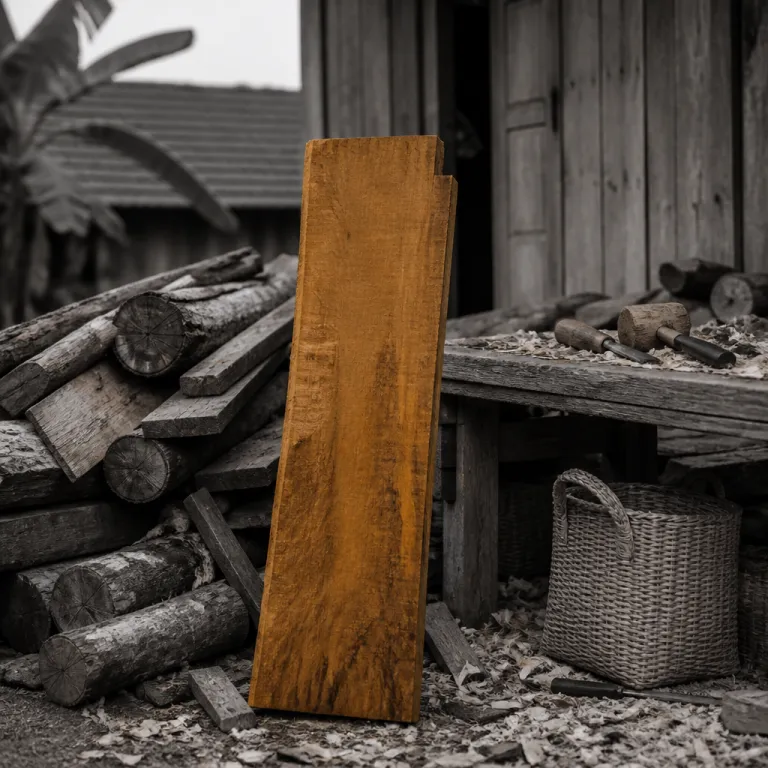
Once you arrive in a Zafimaniry village, the first impression is almost always wood, because every surface seems carved. Houses, granaries and even simple benches carry geometric patterns that speak about family lineage, the will of ancestors and the protection of the community against misfortune. Children tend to be fascinated by how men and older boys work side by side, using hand tools to turn plain wood into doors, shutters and chests that feel alive with meaning, while women often decorate and finish pieces or manage the sale of carvings to visitors.
Behind the carved facades, daily life revolves around cultivation and the fragile balance between people and nature in this part of Madagascar. Families grow rice, maize beans and other staples on steep slopes, and your local guides will often explain how traditional slash and burn agriculture once shaped the landscape. Today, concerns about deforestation and soil erosion mean that many Zafimaniry people are experimenting with more sustainable rice cultivation and agroforestry, even as they try to maintain cultural heritage linked to the forest and the symbolic importance of timber in Zafimaniry architecture.
For parents, this is where a Zafimaniry villages Madagascar visit becomes a powerful teaching moment about intangible cultural values and environmental responsibility. Children can watch rice being planted or harvested, see how wood carving supports the village economy and understand why burn agriculture has such long term impacts on nature. To integrate this day into a longer route, use multi region planning advice from independent sources or trusted specialists, then place Ambositra and the Zafimaniry country as your cultural anchor in the highlands between more wildlife-focused or coastal stages.
Age suitability, etiquette and how to keep the visit respectful
For most families, the sweet spot for a Zafimaniry villages Madagascar visit is with school age children who can walk several kilometres and stay engaged with craft demonstrations. Younger children are welcome in almost every Zafimaniry village, but parents should be realistic about attention spans and the time spent on foot between villages Ambositra such as Antoetra and Ifasina. Teenagers, on the other hand, often respond strongly to conversations about Malagasy culture, deforestation and how an ethnic group negotiates modern pressures while protecting its intangible heritage and language.
Respectful behaviour is non negotiable, because you are entering a living community rather than an open air museum. Always ask your local guides before photographing people, especially children, and be aware that some carved wood elements have spiritual significance within Zafimaniry culture. Modest clothing, a few words of Malagasy and a willingness to greet elders properly go a long way toward building trust with Zafimaniry people who may already feel scrutinised by tourism and outside interest in their UNESCO-recognised traditions.
Money matters should be transparent, and this is where a good hotel or agency partner can help you understand village visit fees and how they support the community. Payments for guiding, access and demonstrations are usually shared among families, artisan cooperatives and sometimes school projects for local children. As one practical briefing for visitors puts it, "Wear comfortable shoes", "Bring cash for purchases", "Respect local customs" — three simple rules that, if followed, keep your Zafimaniry villages Madagascar visit aligned with both cultural heritage and family comfort.
Choosing the right base and buying crafts without guilt
Because the Zafimaniry country is still relatively remote, most luxury and premium travellers choose to sleep in Ambositra Madagascar and visit the villages by day. While the town itself offers modest accommodation, you can pair it with higher end lodges elsewhere on your route, using Ambositra as a cultural stop between more obviously luxurious stays. Specialist platforms and experienced Malagasy tour planners can help you combine rainforest retreats with coastal properties, or suggest alternatives to popular hubs like Nosy Be if you prefer quieter beaches and smaller boutique hotels.
When it comes to shopping, a Zafimaniry villages Madagascar visit offers some of the most meaningful wood carving you will see anywhere in Madagascar. Look for workshops where men and women are actively carving, where geometric patterns are explained rather than just displayed, and where children are present as apprentices rather than props. Genuine pieces often show slight irregularities that speak of handwork, and the best way to support the community is to pay fair prices rather than bargaining aggressively over every carved box or panel, especially when you know that income is shared within extended families.
Be cautious of stalls that feel disconnected from village life, with identical items and little sign of real cultivation or domestic activity nearby. In an authentic Zafimaniry village, you will see rice fields, maize beans plots, smoke from cooking fires and the slow rhythm of time marked by school bells and church songs. Buying directly from artisans in these settings helps sustain both the intangible cultural skills of wood carving and the broader Malagasy culture of hospitality that welcomes families into homes, not just into shops.
FAQ
How far are the Zafimaniry villages from Ambositra and how long is the trip ?
The main Zafimaniry villages lie about 40 km south of Ambositra, reached by a combination of road and walking. In practice, a family should expect a full day, with two to three hours of driving and several hours on foot between village Antoetra, Ifasina and nearby hamlets. This timing keeps the experience immersive without exhausting children, especially in the dry season when trails are easier and river crossings are less problematic.
What is the best season for a Zafimaniry villages Madagascar visit with children ?
The dry months from roughly April to October offer the most comfortable conditions for walking between Zafimaniry villages. Trails are less muddy, river levels are lower and rice cultivation terraces are easier to navigate with younger walkers. Outside this window, rain can make paths slippery and extend travel time, which may be challenging for families and can limit access to more remote hamlets beyond Antoetra.
Are guided tours to the Zafimaniry villages mandatory or just recommended ?
Guided tours with local guides are effectively mandatory, both for navigation and for respectful interaction with Zafimaniry people. Paths between villages Ambositra can be confusing, and guides help you understand the meaning of carved wood patterns, agricultural practices and community rules. They also ensure that village visit fees and craft purchases are channelled fairly within the community, which is especially important in a region where tourism is a key complement to subsistence farming.
What can children realistically do and enjoy during the visit ?
Children can watch wood carving demonstrations, handle finished pieces, and observe rice cultivation and other daily tasks in each Zafimaniry village. Many families find that school age children enjoy walking between villages, meeting other children and learning a few Malagasy words. Very young children may tire quickly, so a shorter route around Antoetra with more time in a single village is usually wiser, and bringing snacks, sun protection and a light rain jacket helps keep everyone comfortable.
How does visiting the Zafimaniry country support cultural heritage and conservation ?
Responsible visits generate income for Zafimaniry artisans, guides and households, helping them maintain wood carving traditions that form part of UNESCO recognised intangible cultural heritage.[1] When visitors respect local customs, pay fair prices and listen to concerns about deforestation and burn agriculture, they reinforce community efforts to balance cultivation with forest protection. Choosing operators who are transparent about village fees and environmental practices ensures that your Zafimaniry villages Madagascar visit contributes positively to both culture and nature.
[1] UNESCO, "Wooden architecture of the Zafimaniry", Proclamation of Masterpieces of the Oral and Intangible Heritage of Humanity, 2003; UNESCO Intangible Cultural Heritage Lists, accessed 2024.