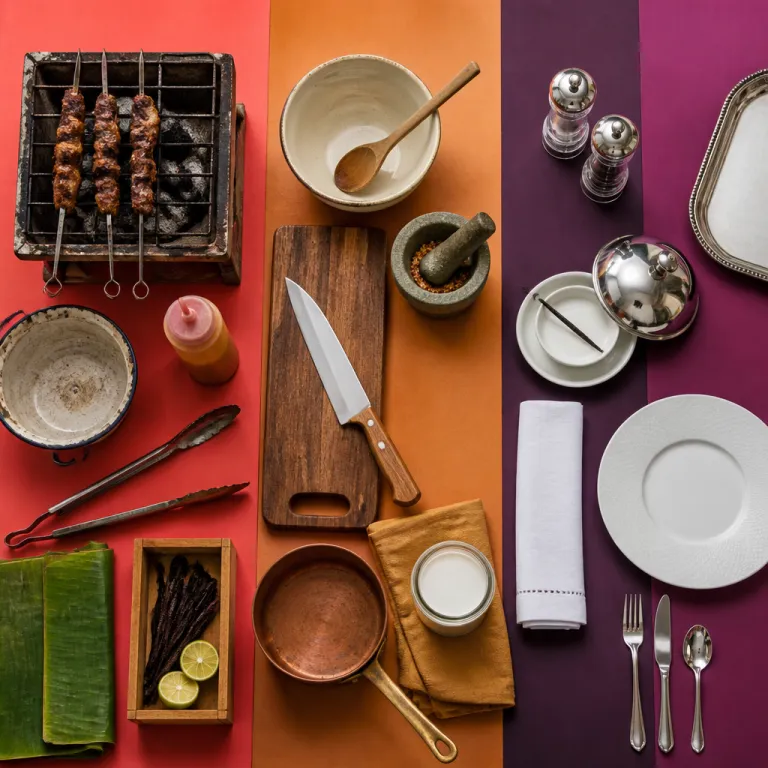
Madagascar food guide luxury travel: why flavor is the new five star
Madagascar sits alone in the Indian Ocean, an island where food tells the story of separation and connection. This madagascar food guide luxury travel piece argues that the real indulgence on any Madagascar trip is moving between street food, mid range dining rooms, and white tablecloth luxury in a single day. When you visit Madagascar with a focus on taste, you will find that Malagasy cuisine becomes your most vivid travel guide.
The country’s culinary DNA blends influences from Africa, Arabia, India, and the French presence, yet food Madagascar never feels like a copy of somewhere else. Rice anchors almost every meal across the island, while meat, greens, and coastal seafood sketch regional identities that any serious Madagascar travel enthusiast should track plate by plate. For couples planning a Madagascar adventure, this layered Malagasy cuisine offers trip ideas that go far beyond the usual wildlife and national park checklists.
On mymadagascarstay.com, we treat madagascar food as a core filter when we curate luxury properties for discerning travelers. A travel designer planning your Madagascar trip will now ask as much about your appetite for street food as your interest in lemurs. That shift underpins this madagascar food guide luxury travel narrative, which follows one day in Antananarivo from mofo gasy at dawn to a Relais & Châteaux level dinner, showing how each price point reveals a different face of the country.
The morning market circuit: mofo gasy, koba, and the power of the sidewalk
Begin in Antananarivo before sunrise, when the city’s hills smell of charcoal and frying batter. This is the best time for any Madagascar trip to feel the capital’s pulse, because the first food you taste will likely come from a street stall rather than a starched tablecloth. Local guides often structure culinary walking tours around this window, and for good reason.
At the heart of the experience sits mofo gasy, the small, round Malagasy rice cake cooked in cast iron molds and sold still steaming from street food braziers. You will find vendors lining central arteries and neighborhood lanes, serving office workers, schoolchildren, and couples easing into a long travel day. A portion rarely costs more than the equivalent of 1.5 USD, matching local surveys that place the average cost of a street food meal at that level, which means even luxury travelers can graze widely without denting their budget.
Alongside mofo gasy, look for koba, a dense cake of ground peanuts, rice flour, and sugar, wrapped in banana leaves and steamed until it becomes a portable energy bar for any Madagascar adventure. These dishes show how the country’s agriculture, which involves around 80 percent of the Malagasy population, flows straight into the hands of local street vendors. For couples who usually stay within hotel walls, this first contact with food Madagascar on the pavement often becomes the most intimate memory of their trip Madagascar.
Antananarivo’s mid range tables: where Malagasy cuisine meets French training
By midday, the same travelers who started at a street stall often slide into a mid range restaurant in Antananarivo’s center. This is where the madagascar food guide luxury travel story shifts from pure tradition to a more curated expression of Malagasy cuisine. Menus here tend to balance national dishes with French inflected plates, reflecting the city’s role as a bridge between the island and the wider world.
Romazava, officially recognized as the national dish of Madagascar, appears frequently as a slow simmered beef or zebu and greens stew served over rice. Next to it, you might find a perfectly seared zebu steak with a green pepper sauce that would not feel out of place in a brasserie in mainland France, yet the meat comes from herds that still shape rural Malagasy life. For couples on a Madagascar trip who want comfort and predictability without losing the sense of place, these mid range rooms offer the best compromise between local flavor and international technique.
Prices remain strikingly gentle compared with Europe or North America, with a generous two course lunch often costing less than a single starter in Paris, which changes how you plan trip budgets. This price paradox means you can allocate more of your travel spend to a standout national park or a private wildlife guide without sacrificing dining quality. When you read our analysis of premium booking strategies in the dry season spa and resort calendar, you will see how aligning the best time to visit Madagascar with this mid range dining value creates a powerful overall itinerary.
Coastal flavors and vanilla beans: mapping regional food across the island
Leave the highlands and the madagascar food guide luxury travel narrative changes again as the air thickens with salt and spice. On the western and northern coasts, seafood dominates, with grilled fish, prawns, and lobster appearing in both street food stalls and polished hotel dining rooms. Here, food Madagascar becomes a direct expression of the Indian Ocean, and couples often structure trip ideas around long lunches by the water.
Further east, vanilla beans perfume both sweet and savory dishes, a reminder that Madagascar is one of the world’s leading producers of this prized ingredient. You will find vanilla folded into sauces for meat, drizzled over grilled zebu, and infused into custards that nod toward French pâtisserie while remaining firmly Malagasy. In the south, cactus fruit and drought resistant crops shape a leaner, more austere table that mirrors the landscape, offering a different kind of Madagascar adventure for travelers who want to understand the country’s climatic contrasts.
These regional differences matter when you start planning a Madagascar trip with a focus on both wildlife and food. A travel designer might suggest pairing a visit to a coastal national park with nights in a property known for its seafood tasting menus, then routing you through a highland lodge where rice and meat stews anchor the menu. For up to date context on which areas and properties are operating smoothly after the cyclone lull, our report on seasonal openings and closures is an essential companion to any serious madagascar travel plan.
Starched linen and Relais & Châteaux standards: when luxury dining goes Malagasy
By evening, the madagascar food guide luxury travel arc reaches its most polished expression in the island’s fine dining rooms. In Antananarivo alone, local directories list around ten restaurants that operate at a clearly elevated level, with fine dining chefs often trained in French techniques. For couples used to Michelin level experiences, these rooms feel familiar in form yet distinctly Malagasy in content.
Relais & Châteaux member Anjajavy le Lodge on the northwest coast sets the benchmark, pairing wildlife rich surroundings with menus that treat local ingredients as luxury products rather than rustic curiosities. Here, zebu carpaccio might arrive with a vanilla scented dressing, while a dessert of tropical fruit and rice pudding references both national staples and French pastry logic. Fine dining venues at this tier typically price around 15 to 25 euros per person for multi course dinners, which is a fraction of comparable experiences in Europe and reshapes expectations for what a Madagascar trip can include.
In these rooms, the debate between hotel kitchens and independent restaurants becomes more nuanced. Outside major cities, the best food you will find often sits inside luxury properties simply because the surrounding infrastructure is limited, yet the chefs increasingly invite local street food vendors and producers into their supply chains. When you explore our in depth overview of premium stays in the Luxus Collection experience, you will see how we rate properties not only on rooms and service but on how seriously they treat Malagasy cuisine at this starched linen level.
Hotel kitchens versus independent tables: where to eat on a luxury Madagascar trip
Choosing between hotel dining rooms and independent restaurants is one of the most strategic decisions in any madagascar food guide luxury travel plan. In Antananarivo and a few secondary cities, you can safely structure your trip Madagascar around a mix of both, using hotel breakfasts and one dinner, then venturing out for street food and mid range lunches. This pattern lets you experience the full spectrum of food Madagascar without compromising on comfort or safety.
Outside urban centers, the equation shifts, because dining infrastructure thins out quickly once you leave main roads and national park gateways. In many wildlife focused lodges, the in house kitchen is not just the best option, it is the only realistic one, yet that does not mean sacrificing authenticity. Chefs in these properties often recreate street food classics like mofo gasy or koba at breakfast, then build evening menus around regional meat, rice, and vegetables sourced from nearby villages, keeping the connection to local producers intact.
For couples working with a travel designer, the key is to start planning early and be explicit about your appetite for culinary exploration. Tell your planner that you want at least one guided street food walk, several mid range dinners in Antananarivo, and a few starched linen nights in properties known for serious Malagasy cuisine. That clarity allows us to align your madagascar travel route, your wildlife priorities, and your dining expectations into a coherent, high value itinerary that respects both the country and your palate.
Practical madagascar food guide luxury travel tips for couples
Turning this madagascar food guide luxury travel vision into reality requires a few practical steps. First, carry small bills in local currency, because many street food vendors and market stalls do not handle large notes or cards. Second, learn a handful of Malagasy phrases for greetings and thanks, which transforms each food encounter into a warmer exchange.
Safety wise, the same logic applies here as in any part of Africa where street food culture thrives. Is street food safe in Madagascar? Generally safe; choose busy vendors. That simple rule, combined with watching how long food sits before serving, will protect most travelers from issues and lets you enjoy mofo gasy, grilled meat skewers, and fresh fruit with confidence.
When you plan trip budgets, remember that restaurant prices in Madagascar often run 60 to 80 percent lower than in Europe or North America, which means you can upgrade your hotel category without sacrificing dining quality. Use that margin to book a room closer to a national park entrance or in a property with strong wildlife guiding, then treat meals as an integrated part of your madagascar adventure rather than a separate expense line. If you start planning with food at the center of your madagascar travel decisions, you will find that every plate, from street stall to starched linen, becomes another way to understand this singular island country.
Key figures for planning a culinary focused Madagascar trip
- Approximately 80 percent of the Malagasy population works in agriculture, which means most ingredients in Malagasy cuisine travel a short distance from field to plate (World Bank data, recent estimate).
- The average cost of a full street food meal in Antananarivo is around 1.5 USD, based on local surveys, allowing even luxury travelers to sample multiple dishes daily without straining their budget.
- Antananarivo hosts roughly ten fine dining restaurants, according to local directories, giving couples enough choice to compare interpretations of national dishes across several evenings.
- Fine dining dinners at top tier properties typically cost about 15 to 25 euros per person, which is significantly lower than comparable experiences in Western Europe while maintaining high culinary standards.
- Restaurant prices across Madagascar are generally estimated to be 60 to 80 percent lower than in Europe or North America, allowing travelers to reallocate funds toward premium lodging or private wildlife experiences.
FAQ about luxury travel and food in Madagascar
What is the national dish of Madagascar?
What is the national dish of Madagascar? Romazava, a beef and greens stew. You will find romazava in both family run eateries and fine dining restaurants, often served over rice and sometimes adapted with zebu meat in higher end venues.
Is street food safe in Madagascar for luxury travelers?
Is street food safe in Madagascar? Generally safe; choose busy vendors. Luxury travelers should follow the same common sense rules as anywhere else, such as preferring stalls with high turnover, watching food cooked to order, and avoiding items that have sat in the sun.
Do restaurants in Madagascar accept credit cards?
Do restaurants accept credit cards? Some do; carry cash as backup. In Antananarivo’s fine dining and mid range establishments, cards are increasingly accepted, but street food vendors and many regional restaurants remain cash only.
How much should I budget per day for food on a luxury Madagascar trip?
Couples on a luxury focused Madagascar trip can often eat very well on 25 to 40 euros per person per day, combining street food breakfasts, mid range lunches, and occasional fine dining dinners. This range assumes Antananarivo and major tourist hubs, while more remote lodges may bundle meals into room rates.
When is the best time to visit Madagascar for both wildlife and food?
The best time to visit Madagascar for a mix of wildlife viewing and comfortable dining is generally the cooler, drier season, when markets are well stocked and travel conditions are more predictable. Aligning your stay with this period also improves access to national parks and reduces the risk of weather related disruptions to both restaurant operations and supply chains.
References: World Bank ; Local tourism boards in Madagascar ; Relais & Châteaux public information.