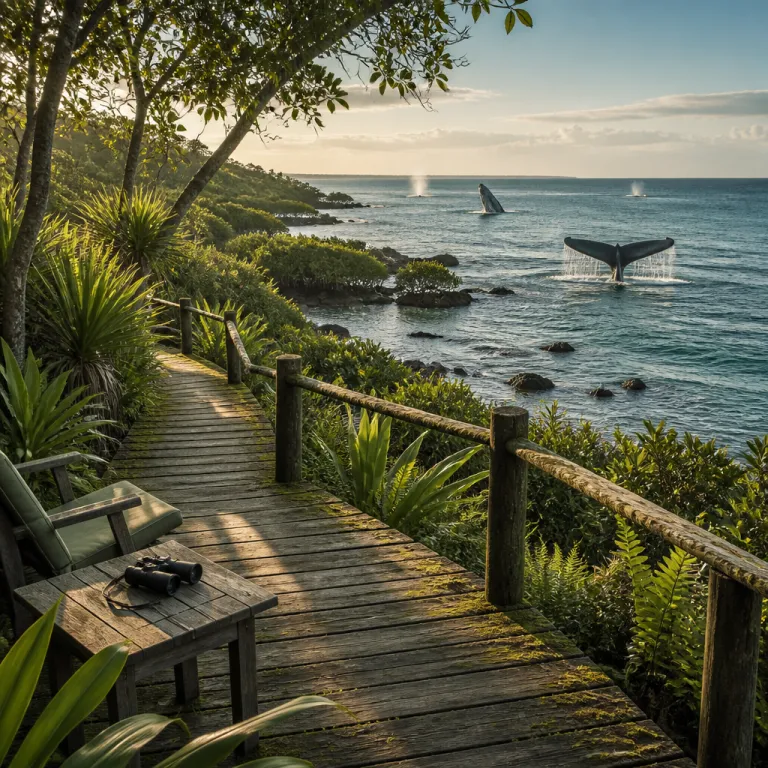
Whale watching Madagascar luxury: reading the migration like a calendar
Whale watching Madagascar luxury travel begins with understanding the migration rhythm. Humpback whales arrive along the east coast of Madagascar from May, building towards a dense, almost theatrical presence between June and September when the warm Indian Ocean turns into a nursery. By late season the whales thin out again, and a patient solo explorer can follow this journey from Île Sainte-Marie to the sheltered bays near Masoala National Park.
For a luxury Madagascar stay focused on wildlife, timing is everything, because the best time for close encounters with humpback whales overlaps with the clearest conditions for snorkeling and diving. The official guidance is simple and worth repeating verbatim for anyone planning a Madagascar tour around cetaceans: "When is the best time to see humpback whales in Madagascar?" "Between May and December." That window lets you start planning a longer journey that layers whale watching with inland tsingy formations, the Avenue des Baobabs and at least one national park safari.
Solo travelers who want whale watching Madagascar luxury experiences without crowds should think in terms of arcs, not days. Begin your Madagascar travel on the east coast around Sainte Marie when the first whales arrive, then curve north or south as the season matures, using eco lodges as moving observatories. This approach turns a single Sainte Marie whale sighting into a continuous narrative of whales, islands and changing light across the Indian Ocean.
Île Sainte Marie lodges: front row seats to the humpback highway
Île Sainte Marie, often written as Sainte Marie or Île Sainte, is the classic address for whale watching Madagascar luxury holidays. The island sits directly on the migration corridor, so whales pass close to shore, and many hotels line calm channels rather than open ocean swells. From the right luxury beach suite you can watch humpback whales breach before breakfast, then step straight onto a small boat for a more intimate encounter.
Here, lodge based viewing often rivals organized tours, because elevated decks and headlands give a wide sweep of the Indian Ocean where whales and calves surface in slow, predictable rhythms. You still need at least one regulated whale watching excursion, since licensed Madagascar tours follow strict distances that protect both whales and guests. In practice, most reputable operators keep at least 100 metres from adults and increase that buffer around mothers with calves, a guideline echoed by the International Whaling Commission and regional codes of conduct. Yet on Île Sainte Marie the real luxury lies in lingering between outings, letting the island’s quiet hotels frame the wildlife rather than rushing from one crowded boat to another.
Food matters on a long Sainte Marie whale season stay, so choose properties where the kitchen is a reason to book, and use a specialist guide such as this curated overview of Madagascar hotels with destination worthy cuisine. That way your whale watching Madagascar luxury journey balances marine spectacles with refined plates of local seafood and vanilla scented desserts. For a solo explorer, this mix of quiet gastronomy, private terraces and easy access to boats turns Sainte Marie into an elegant base rather than a simple whale watching stop.
Nosy Be and the northwest: archipelago lodges for whales and reefs
Shift your gaze northwest and the whale watching Madagascar luxury story changes character around Nosy Be and its satellite islands. Here the Indian Ocean feels more archipelagic, with small islands, coral reefs and channels where whales share space with turtles and reef fish. The best time to combine whales with diving runs from June to September, when visibility improves and the water cools just enough for long days on and under the surface.
Eden Lodge, set on Baobab Beach and accessible only by boat, is a strong example of how Madagascar luxury can feel both wild and polished. From its palm shaded tents you can watch whales in the distance, then head out with guides who understand both marine wildlife and the subtleties of private, low impact tours. Typical outings last two to three hours, with skippers adjusting speed and angle so that whales choose the level of interaction. This is where a solo traveler can experience Madagascar as a layered journey, moving from whale watching to snorkeling reefs in a single tide cycle.
Nosy Be itself offers a spectrum of hotels, from simple guesthouses to high end retreats with serious spa programs tailored to the dry season, which you can explore in depth through this guide to dry season spa routines on Nosy Be. For many guests, the real luxury Madagascar moment is not a single breach but the quiet after a day at sea, when humpback whales fade into the dusk and you return to a massage table or a candlelit dinner on the sand. If you start planning a Madagascar tour that includes both Nosy Be and Île Sainte, think of them as complementary chapters rather than competing islands.
Masoala, Anakao and the wild edges: when lodges meet national parks
Some of the most rewarding whale watching Madagascar luxury stays unfold where marine life meets rainforest or remote dunes. Masoala Forest Lodge, tucked near Antongil Bay on the Masoala Peninsula, sits beside Masoala National Park, which holds a remarkable share of Madagascar’s species with direct coastal access. Here you can wake to humpback whales offshore, then cross from sea kayak to forest trail in a single morning.
On the southwest coast, Anakao Ocean Lodge offers a different kind of luxury beach experience, with long sandbars, clear surf and seasonal whale sightings beyond the breakers. This region pairs well with a safari style exploration of nearby reserves and a longer Madagascar travel route that might also include the Tsingy de Bemaraha National Park and the Avenue des Baobabs. While tsingy formations and baobab avenues sit inland, they anchor a broader journey that connects marine wildlife, desert like landscapes and the sense that this island is a self contained continent.
Further southeast, Manafiafy Beach & Rainforest Lodge blends private coves with dense forest, giving solo travelers a quieter take on whale watching Madagascar luxury. Boat excursions here feel more like exploratory tours than mass outings, and the emphasis on eco tourism keeps group sizes small. If you want to experience Madagascar as a continuous thread of wildlife, from Sainte Marie whale encounters to lemurs calling at dusk, these lodges near national parks are where that vision becomes real.
From lodge decks, not crowded decks: how to design a private season
Designing a whale watching Madagascar luxury itinerary that avoids crowds means treating lodges as observatories, not just places to sleep. Start planning by mapping where you can see whales directly from shore or from a short, low impact boat ride, then layer in a few carefully chosen Madagascar tours. Properties like Eden Lodge, Masoala Forest Lodge, Anakao Ocean Lodge and Manafiafy Beach & Rainforest Lodge all emphasize sustainability and eco tourism, which naturally limits numbers and keeps wildlife encounters calmer.
For a solo explorer, the most memorable experiences often happen off schedule, when a guide spots humpback whales from a headland or when a pod surfaces beside your kayak. That is why lodge based viewing, with binoculars and time, can sometimes beat a fast speedboat chasing every blow on the horizon. The official data from the IUCN and regional surveys reminds us that there is only one humpback whale species worldwide and around 30 cetacean species recorded in Madagascar’s waters, so each sighting is part of a larger conservation story rather than just another item on a travel checklist.
To experience Madagascar with nuance, combine your marine season with inland highlights such as the Tsingy de Bemaraha, the Avenue des Baobabs and at least one classic safari style park, then return to the coast for a final stretch of quiet days. Our team is always ready to help refine routes and match you with hotels that suit an independent traveler who values privacy over spectacle. Use resources like this in depth guide to planning an exceptional stay on Nosy Be island to anchor the logistics, then let the whales dictate the daily rhythm once you arrive.
Practical notes for solo luxury travelers following the whales
Whale watching Madagascar luxury trips reward those who respect both weather and wildlife. Conditions shift quickly along this vast island coastline, so build in spare days at each stop to allow for wind, swell and the occasional cancelled excursion. That flexibility turns frustration into opportunity, because extra time at a well chosen lodge often leads to unexpected whales passing close to shore.
When you compare Île Sainte Marie, Nosy Be and the wilder south or northeast, think about your own tolerance for remoteness and how much structure you want. Sainte Marie and Nosy Be offer more hotels, easier transfers and a wider choice of Madagascar tours, while Masoala or Anakao feel more like expeditions where every journey is part of the experience. In all cases, choose operators who follow local guidelines on approach distances and engine use, since eco friendly practices protect both humpback whales and the long term quality of whale watching.
Finally, remember that the best time for a Sainte Marie whale encounter is often the one you did not script, seen from a quiet terrace rather than a crowded rail. If you keep your itinerary private enough to move with the weather, yet structured enough to secure the right rooms, you will experience Madagascar as a rare blend of luxury and raw wildlife. That balance is what turns a simple Madagascar tour into a season long relationship with one of the most extraordinary islands on the planet.
FAQ
When is the best time to see humpback whales in Madagascar from a lodge?
The broad season for humpback whales in Madagascar runs from May to December, with numbers usually peaking between June and September. If you want reliable lodge based viewing, aim for that June to September window when whales are breeding and calving in the warm Indian Ocean. Booking early for this period is essential, especially at smaller luxury properties on Île Sainte Marie and around Nosy Be.
Which lodges are known for whale watching in Madagascar?
Several eco focused lodges have strong reputations for whale watching access, including Masoala Forest Lodge near Antongil Bay, Eden Lodge on Baobab Beach, Anakao Ocean Lodge on the southwest coast and Manafiafy Beach & Rainforest Lodge in the southeast. All of them combine comfortable accommodations with guided boat excursions and opportunities for lodge based viewing. Their profiles in Madagascar National Parks partner materials and conservation NGO reports underline a long term commitment to low impact marine tourism.
Is lodge based whale watching as good as organized boat tours?
Lodge based whale watching offers a different kind of experience compared with organized tours. From a well positioned property on Île Sainte Marie or in the Nosy Be archipelago, you can watch whales over many hours and days, often in complete quiet. Boat tours bring you closer for a short time, while lodge decks and headlands give you a slower, more contemplative view of whale behavior.
Can I combine whale watching with other wildlife and national parks?
It is very feasible to combine whale watching with visits to national parks and other wildlife areas in Madagascar. Many travelers pair a marine focused stay on Île Sainte Marie or Nosy Be with inland journeys to places such as Masoala National Park, Tsingy de Bemaraha or the Avenue des Baobabs. This approach turns a single themed trip into a broader exploration of the island’s unique ecosystems.
Are whale watching lodges in Madagascar eco friendly?
Most of the leading whale focused lodges in Madagascar position themselves as eco friendly and support local conservation initiatives. They typically limit guest numbers, follow strict whale watching guidelines and work with researchers or community projects. Choosing these properties helps ensure that your luxury stay contributes positively to the long term protection of humpback whales and other marine wildlife.
References
IUCN Red List
WCS Madagascar
Madagascar National Parks