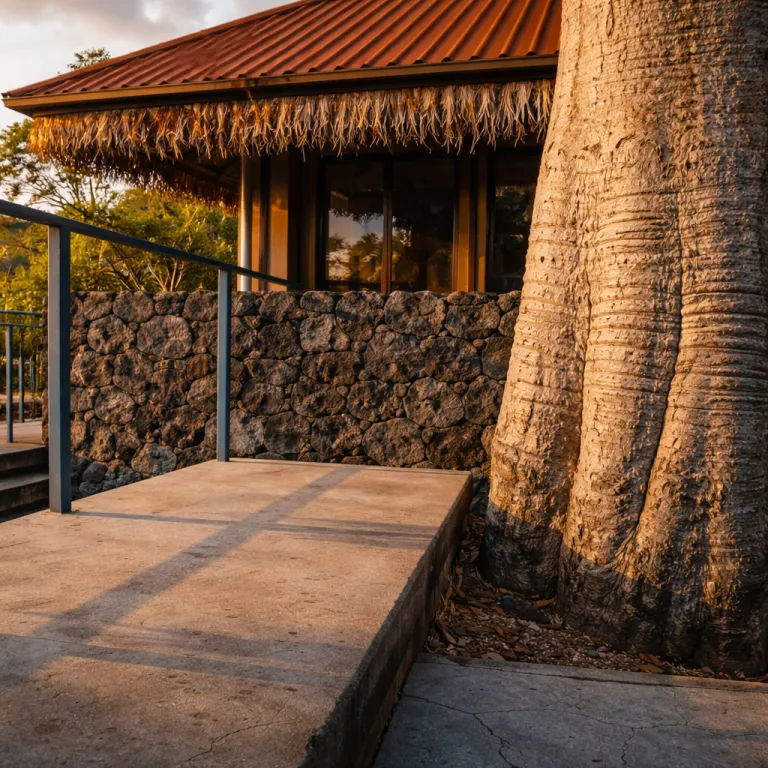
Where to stay in Madagascar: climate, regions and realistic travel times
Working out where to stay in Madagascar begins with the weather and the map. The island stretches more than 1 500 kilometres from north to south, so each region has its own rhythm of rain, wind and heat that will shape every stay. If you plan your travel only around the best place names and ignore the seasons, you will miss the best areas entirely and risk spending days trapped indoors instead of on the beach or in the forest.
The dry season across Madagascar generally runs from May to November, while July and August are peak months when the national parks feel busy and the capital city hotels fill with tour groups. On the humid east coast, including Andasibe and the Mantadia National Park rainforest belt, September to November is the perfect window for wildlife because trails are drier and baby lemurs cling to their mothers along the paths. The north coast and every small island such as Nosy Komba or Île Sainte-Marie stay warm year round, but the cyclone risk from January to March makes many lodges close or scale back operations. (Seasonal patterns and park access windows are based on operator schedules and national park advisories current to 2023–2024.)
On the west, the road to Tsingy de Bemaraha National Park usually becomes usable only once the rains retreat, so most high end lodge operations there run from roughly May to November. In the deep south, where the spiny forest meets the coast, tracks can turn to mud outside the dry season and even the best lodge vehicles struggle, so your choice of where to stay in Madagascar in that region will depend on a narrow climatic window. This is why any honest guide to where to stay in Madagascar starts with climate first, region second and only then the individual lodge or hotel.

Northwest islands and north coast: where to stay for beach life and reefs
If your first question is where to stay in Madagascar for beach time, start with the northwest islands. Nosy Be and its satellites such as Nosy Komba and Tsarabanjina offer the best balance of easy access, polished service and serious marine life, with coral reefs that still feel wild and colourful when you drop below the surface. This is the part of Africa where an island sunrise can mean humpback whales offshore in season and a lemur on your breakfast terrace.
On Nosy Komba, Tsara Komba Luxury Beach & Forest Lodge remains one of the best places to stay for travellers who want both reef and rainforest on a small island. With around 8–10 suites stepping up the hillside above a quiet beach, typical nightly rates for two people range from roughly 450–700 USD depending on season (guide prices based on 2023–2024 published tariffs), and the lodge team can arrange guided walks to meet local communities or snorkelling trips over coral reefs that shelter turtles and clouds of reef fish. Nearby, Constance Tsarabanjina on a private island west of Nosy Be delivers a more resort like rhythm, with about 25 thatched villas, white sand beaches and a focus on water based activities that will suit guests who want to stay in one place for several days.
Along the north coast of Madagascar itself, you will find a handful of intimate lodges and small hotels that work well as places to stay before or after island time. This coastline is also the natural jumping off point for trips to Amber Mountain National Park, where cool montane forest and crater lakes contrast sharply with the heat of the beach. For a deeper dive into high end coastal properties and how they compare, explore this guide to Madagascar resorts, luxury escapes and premium hotel experiences on the island, which maps out the best place options region by region.
Rainforest east: Andasibe Mantadia and Masoala for serious wildlife stays
Travellers who care more about forest than beach usually ask where to stay in Madagascar for the most reliable wildlife. The answer often starts with Andasibe Mantadia, the twin protected areas of Andasibe National Park and Mantadia National Park that sit a half day’s drive east of the capital city. Antananarivo to Andasibe typically takes about 3–4 hours by road in dry season, longer if there are roadworks, and the early morning call of the indri lemur rolls through the mist while the right guide mimics the sound until the forest answers from every ridge. (Transfer times are indicative and based on recent operator experience in 2023–2024.)
In Andasibe itself, a cluster of lodges lines the road, but properties that back directly onto the forest give you the best access. Choosing a lodge where you can walk straight from your bungalow into a private reserve means you will hear tree frogs at night and wake to the sound of bamboo lemurs feeding nearby. When you compare places to stay in this area, look for experienced local guides, strong conservation credentials and night walk options inside or adjacent to Andasibe Mantadia, because this is when chameleons, leaf tailed geckos and mouse lemurs emerge.
For travellers ready to go further, Masoala Forest Lodge on the northeast peninsula offers one of Madagascar’s most immersive rainforest stays. Reached by a combination of domestic flight to Maroantsetra and then a 1.5–2 hour boat transfer, it combines a wild beach, primary forest and coral reefs in a single protected bay, and the lodge’s low impact design shows why solar powered lodges are quietly setting Madagascar’s luxury standard. With roughly a dozen tented or thatched units and rates that often exceed 500 USD per night for two guests (reference prices from 2023–2024 seasons), this is not the easiest place to reach, but for guests who want the best places to stay for biodiversity and are willing to travel, it may be the best place in the country.
West and Tsingy: where to stay for otherworldly limestone and dry forest
The west of Madagascar feels like another planet, and where to stay here depends on how far you are ready to go. Tsingy de Bemaraha National Park is a labyrinth of sharp limestone pinnacles, hanging bridges and dry forest pockets that shelter lemurs and rare birds, and it rewards travellers who accept long drives and basic infrastructure. When you plan where to stay in Madagascar in this region, remember that the road is seasonal and the park usually opens only once the rains have retreated, typically from around late May to early November according to recent park management notices.
Most travellers overnight in simple lodges near the park entrance, but a few higher end options now offer more comfortable rooms, better food and guided access to both the small and big Tsingy circuits. Expect 2–3 nights here, with Morondava to Bekopaka transfers taking 8–10 hours each way in the dry season, including river crossings, and note that these are not polished beach resorts, yet they are the best places to stay if you want sunrise on the limestone and sunset over the Manambolo River without exhausting daily transfers. For many guests, one or two nights here, combined with a stay on the coast, creates the perfect balance between adventure and comfort.
Further north along the west, some itineraries add lesser known limestone areas such as Namoroka or coastal sections where mangroves meet the sea, though these remain specialist trips. If you are building a first journey and wondering where to stay for a more rounded west coast experience, consider pairing Tsingy Bemaraha with a lodge on the Mozambique Channel that offers whale watching in season. This two leg structure lets you experience both the national park interior and the beach, while keeping logistics manageable in a country where travel times are long.
East coast islands and the deep south: Île Sainte Marie, Sainte Marie and spiny forest
On the east coast, Île Sainte-Marie and its southern extension, often called Sainte Marie island, answer the question of where to stay in Madagascar for castaway charm and whale watching. From July to September, humpback whales migrate along this corridor, and many lodges organise daily boat trips to watch breaching adults and calves from a respectful distance. The island’s pace is slow, the roads are rough and the best places to stay lean into that rhythm with bicycles, palm shaded hammocks and fresh seafood lunches.
On the south of the island, Princesse Bora Lodge & Spa has long set the tone for barefoot luxury here, with around 20–25 villas tucked among coconut palms, direct access to a calm lagoon and typical nightly rates for two guests that often sit between 250 and 450 USD depending on season (rate bands based on 2023–2024 public pricing). Nearby, Bora Lodge and other small properties offer alternative places to stay for guests who prefer a quieter atmosphere or different price points, while still enjoying the same coral reefs and whale season. When you compare where to stay, look closely at how each lodge works with local communities, manages boat traffic around whales and protects the fringing reefs, because these details will shape both your experience and the island’s future.
Far to the south on the mainland, the spiny forest and river valleys around Mandrare host some of Madagascar’s most characterful landscapes. Here, the question of where to stay is not about beach or pool, but about access to sacred forests, baobab groves and night walks among octopus trees. Roads can be rough and seasonal, with some tracks only reliably passable from about May to October, so any plan to stay in this region should be built with a specialist operator who understands when the tracks are open and which lodge will suit your appetite for remoteness.
Highlands, capital city and how to structure your first and second trips
Every international traveller passes through Antananarivo, the capital city, and deciding where to stay here is about more than one night near the airport. For some guests, Radisson Blu Antananarivo in the city centre offers a comfortable base with modern rooms, reliable Wi Fi and easy access to restaurants and embassies. Others prefer smaller characterful properties on the hills, using the capital as a place to reset between national park legs rather than a destination in its own right.
For a first visit, think in terms of two main legs plus the capital, rather than trying to cross the whole of Madagascar. One strong structure is Antananarivo, then Andasibe Mantadia for rainforest and indri, followed by the northwest islands such as Nosy Be or Nosy Komba for beach and coral reefs, with Antananarivo to Nosy Be flights taking about 1.5 hours (indicative duration based on current domestic schedules). Another equally compelling pattern is the capital city, then a west coast adventure to Tsingy Bemaraha National Park via Morondava, finishing with Île Sainte-Marie or Sainte Marie island for whales and lagoon swims, which will give you both dry forest and beach in a single journey.
Repeat visitors can add a third leg, perhaps combining Amber Mountain National Park and the north coast with a stay at a remote lodge such as Anjajavy le Lodge, which sits on a private reserve where forest meets sea and is usually accessed by charter flight of about 1.5 hours from Antananarivo. This Relais & Châteaux property, explored in depth in our feature on inside Anjajavy le Lodge, shows how a single place can deliver mangroves, tsingy like limestone and beach in one protected concession. When you layer these regions over multiple trips, the question of where to stay in Madagascar becomes less about chasing the best place in a single journey and more about curating a series of stays that reveal the island’s full range.
Practical booking intelligence: budgets, timing and how to choose
Luxury and premium stays in Madagascar sit on a wide price spectrum, and understanding that range will help you decide where to stay. At the top end, expect many island resorts and high end lodges to start around 400 USD per night for two people, while simple but comfortable guesthouses in the capital city or near a national park can cost closer to 20 USD per person. This spread means you can combine a few nights at a flagship island lodge with more modest places to stay inland, creating a balanced itinerary that still feels indulgent.
Booking strategy matters because peak periods such as July, August and the December holidays see the best places fill months in advance. Online booking platforms, direct hotel websites and specialist tour operators all play a role, but for remote lodges near Andasibe, Mantadia National Park or Tsingy Bemaraha, a trusted local partner often has the clearest picture of road conditions and flight changes. As one practical advisory from a 2023 tour operator briefing puts it, “Book accommodations early during peak seasons. Consider travel insurance for unforeseen events. Research transportation options to remote lodges.”
When you compare where to stay options, look beyond the headline images and ask specific questions. How long is the transfer from the nearest airstrip or port, and will it still be feasible in shoulder season rains? Does the lodge employ and train local staff, support conservation in the adjacent national park and limit guest numbers on sensitive trails or coral reefs? The answers will tell you not only whether this is the best place for your own stay in Madagascar plans, but also whether your presence there contributes positively to the island that is hosting you.
| Route / Region | Typical transfer time | Indicative nightly rate for two (USD) |
|---|---|---|
| Antananarivo – Andasibe (road) | 3–4 hours in dry season | 80–400 depending on lodge |
| Antananarivo – Nosy Be (flight) | About 1.5 hours | 250–800 on main islands |
| Morondava – Bekopaka / Tsingy (road) | 8–10 hours each way in dry season | 100–350 near park |
| Antananarivo – Île Sainte-Marie (flight) | About 1 hour | 150–500 on the island |
Key figures for planning where to stay in Madagascar
- Average luxury accommodation in Madagascar costs around 400 USD per night for two guests, which places high end island lodges and premium rainforest properties in line with many other remote Africa destinations (data from Rough Guides, 2023 edition; figures are indicative and can vary by season and exchange rate).
- Mid range and budget accommodation can start from 20 USD per night per person, allowing travellers to allocate more of their budget to internal flights or specialist guiding while still choosing comfortable places to stay (data from Rough Guides, 2023 edition; always check current prices before booking).
- Peak tourist periods fall in July and August and again around late December, when both national parks and beach resorts report their highest occupancy, so booking six to nine months ahead is recommended for the best places.
- Madagascar’s main dry season, broadly from May to November, aligns with the operational windows for Tsingy de Bemaraha National Park and many west coast lodges, which often close or reduce capacity during the heavy rains.
- Eco lodges and low impact properties now represent a growing share of new openings in Madagascar, reflecting a wider shift toward sustainable travel and solar powered infrastructure in remote areas.
FAQ about where to stay in Madagascar
What is the best time to visit Madagascar for a luxury stay ?
The most reliable period for comfortable travel and high end stays is the dry season from May to November, when roads are more passable and humidity is lower. July and August are peak months, especially in national parks and on popular islands, so availability at the best places can be tight. Shoulder months such as June, September and October often offer a good balance of wildlife, weather and room choice.
Are there budget friendly options alongside luxury lodges ?
Yes, Madagascar offers a wide range of accommodation, from simple guesthouses to premium island resorts. Budget options can start from about 20 USD per night, particularly in the capital city and larger towns, while luxury lodges and island properties can exceed 400 USD per night. Many travellers mix both styles, using more modest places to stay near transit hubs and reserving higher budgets for standout national park or beach stays.
Do I need to book my hotels in advance ?
Advance booking is strongly recommended, especially for July, August and the December holiday period. Remote lodges near Andasibe Mantadia, Tsingy de Bemaraha or Île Sainte-Marie often have limited room numbers and can sell out months ahead. Even in the capital city, securing your first and last night early will make flight changes and overland travel easier to manage.
How should I choose between the islands of Nosy Be, Nosy Komba and Sainte Marie ?
Nosy Be suits travellers who want a wider choice of hotels, restaurants and activities, with easy access to smaller islands and coral reefs. Nosy Komba feels quieter and more intimate, with lodges such as Tsara Komba offering a blend of forest and beach on a smaller island. Île Sainte-Marie and Sainte Marie island appeal to guests who prioritise whale watching, cycling and a slower pace, accepting rougher roads in exchange for fewer crowds.
Is Antananarivo worth more than a one night stay ?
For many travellers, Antananarivo is more than just a transit stop, especially if you enjoy markets, architecture and contemporary Malagasy cuisine. Staying one or two nights in the capital city allows time to adjust after long haul flights, explore historic upper town districts and visit craft markets with a local guide. However, if your priority is national parks or beach time, you may still choose to limit your stay and focus your days elsewhere in Madagascar.