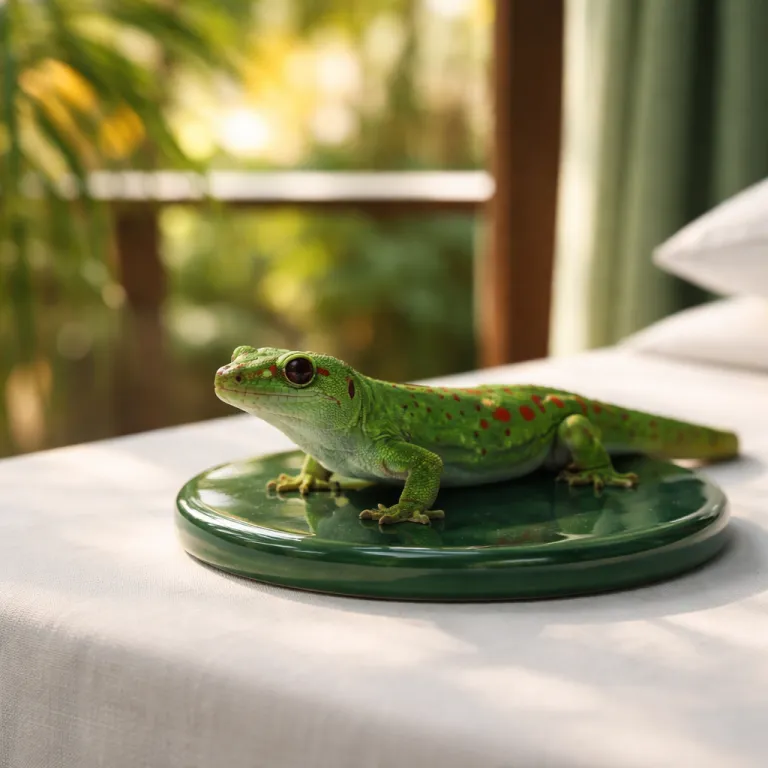
Luxury stays in Madagascar for travelers captivated by the giant Madagascar day gecko
The giant Madagascar day gecko attracts travelers who love refined nature experiences. Many guests planning a premium stay in Madagascar want hotels that respect this reptile species while still offering comfort and style. When a luxury property highlights the giant day lizard in its gardens, guests can enjoy wildlife from shaded terraces instead of crowded viewing platforms.
This diurnal gecko lives in eastern Madagascar forests, so high end hotels in that region often integrate naturalistic landscaping that mirrors its habitat. Lush palms, bamboo, and flowering shrubs create a living enclosure where day geckos and other reptiles can thrive without feeling disturbed by human presence. Thoughtful lighting at night avoids harsh lamp glare, which protects the gecko while preserving an elegant atmosphere for guests enjoying dinner outdoors.
Travelers fascinated by phelsuma grandis, the scientific name for the Madagascar giant day gecko, often ask concierges for guidance on ethical viewing. A knowledgeable équipe will provide clear advice about keeping distance, avoiding flash photography, and respecting humidity sensitive microhabitats on trees and walls. This level of gecko care builds trust, because guests feel their hotel understands both refined hospitality and responsible wildlife encounters.
Some luxury resorts even collaborate with conservation organizations and zoos that study gecko phelsuma populations. These partnerships help staff explain why the average length of this species reaches about 25 centimetres and how a lifespan of more than a decade is possible in protected environments. For travelers, such context transforms a simple sighting of a bright green gecko into a meaningful part of their Madagascar journey.
Designing hotel gardens like a naturalistic terrarium for day geckos
High end hotels in Madagascar increasingly design gardens that function like an open air naturalistic terrarium. Instead of a glass gecko enclosure, landscaped courtyards and pool areas become safe spaces where the giant Madagascar day gecko can live undisturbed. Guests lounging nearby enjoy refined surroundings while quietly observing these bright green reptiles as they move between foliage and stone walls.
To mirror a well planned reptile enclosure, landscape architects consider enclosure size in terms of tree height, branch density, and climbing surfaces. They use layered planting and textured walls to create multiple basking spot options, similar to how a keeper arranges a terrarium for optimal gecko care. Careful placement of lighting around paths and pools avoids excessive heat lamp effects on exposed branches where day geckos may rest.
Because this species is native to humid eastern Madagascar, hotels must manage garden humidity with the same precision used in a controlled reptile enclosure. Irrigation systems, misting features, and shaded areas help maintain a stable microclimate that supports both plants and geckos. This approach resembles a naturalistic terrarium with live vegetation, where substrate, drainage, and airflow are balanced to prevent mould while keeping foliage lush.
Premium properties that already understand spa climate control and med level wellness standards often excel at this environmental fine tuning. They know that guests appreciate comfortable heating indoors while sensitive reptiles outside benefit from moderated temperatures and gentle airflow. For travelers comparing luxury options, a resort that treats its grounds like a carefully curated gecko enclosure signals a deeper commitment to quality and environmental responsibility, similar to the attention to detail seen in a renowned coastal retreat celebrated for family friendly elegance and spa experiences at refined seaside hotel and spa stays.
Balancing indoor comfort and reptile friendly lighting, heating, and humidity
Luxury travelers expect perfect indoor climate control, yet Madagascar hotels must also respect the needs of the giant Madagascar day gecko outside. The same expertise used to calibrate guest room heating and air conditioning can guide outdoor lighting and temperature management for this reptile species. When engineers plan systems, they consider how lamp placement, infrared heat sources, and airflow patterns affect nearby trees and walls where geckos live.
In a controlled gecko enclosure, keepers combine uvb lighting, a heat lamp, and a defined basking area to support healthy behaviour. Hotels cannot recreate this exact setup outdoors, but they can avoid intense spotlights that create unnatural hot zones on façades. Instead, they use softer lighting that mimics filtered sunlight, allowing day geckos to choose their own basking spot along warm stone or wooden structures.
Humidity management is equally important, because the Madagascar giant day gecko thrives in moist forest conditions. Indoor dehumidifiers keep suites comfortable, while outdoor irrigation and shaded planting maintain higher humidity around gardens and terraces. This balance ensures that guests enjoy crisp linens and cool rooms, even as geckos and other reptiles benefit from a more naturalistic microclimate just beyond the windows.
Some high end properties consult reptile specialists who work with brands such as zoo med to understand best practices for uvb and heating in a reptile enclosure. Although hotels do not install full terrarium systems, this knowledge informs choices about building materials that retain gentle warmth without overheating. As a result, both solitary day gecko individuals and small groups of day geckos can move freely across façades that remain comfortable throughout the day and evening.
From rainforest substrate to hotel materials : creating gecko friendly architecture
The forest floor substrate in eastern Madagascar influences how the giant Madagascar day gecko uses surrounding trees and rocks. Luxury hotels that study this environment can choose exterior materials that echo the textures and temperatures of natural bark and stone. Rough rendered walls, wooden beams, and planted columns provide climbing routes that feel more like a living terrarium than a sterile façade.
Architects sometimes consult field researchers who observe phelsuma grandis and related gecko phelsuma species in the wild. These experts explain how day geckos select basking area positions, how they avoid overly smooth surfaces, and how they respond to changes in lighting. With this insight, designers can integrate led lamp systems that highlight architectural details without disturbing the reptiles’ daily rhythm.
In a controlled gecko enclosure, keepers adjust substrate depth, humidity, and heating to support both plants and animals. Hotels translate these principles into choices about roof overhangs, balcony design, and drainage that prevent waterlogging while preserving moist pockets of air. This approach turns courtyards into open air naturalistic terrarium spaces where live plants, mosses, and orchids thrive alongside geckos.
Thoughtful use of med inspired stone, timber, and woven fibres also enhances guest comfort by softening acoustics and moderating temperature. When combined with discreet infrared heat elements on terraces, these materials create cosy evening lounges that remain gentle on nearby reptiles. Travelers who value refined design notice how such details support both their own relaxation and the subtle movements of a bright green day gecko along a sun warmed wall.
Curating wildlife experiences : how concierges guide guests who love geckos
Concierges in Madagascar’s premium hotels increasingly act as interpreters between guests and the giant Madagascar day gecko. Many travelers arrive with a general interest in reptiles but little understanding of this specific species. A well trained équipe will provide clear, concise explanations about where geckos live on the property and how guests can observe them respectfully.
Staff often compare the hotel grounds to a vast reptile enclosure, where trees, walls, and roofs replace glass terrarium panels. They explain that, unlike a crested gecko kept indoors, the Madagascar giant day gecko relies on natural sunlight rather than artificial uvb lamps. However, they also mention that principles from uvb lighting and heat lamp placement still inform how outdoor lighting is arranged around paths and pools.
Guests curious about gecko care sometimes ask how a home gecko enclosure differs from a hotel garden. Concierges can outline how enclosure size, humidity control, and substrate choice are carefully managed in captivity, while in Madagascar nature handles most of these factors. They may reference professional setups that use zoo med equipment, infrared heat sources, and carefully positioned basking spot platforms to keep day geckos healthy.
To deepen appreciation, some hotels share verified information from conservation partners, including this guidance : “They feed on insects, fruit, and nectar.” “They are popular exotic pets but require specific care.” “Where are they found? Native to eastern Madagascar; introduced to Hawaii and Florida.” With this context, guests understand that the bright green gecko on a palm trunk is not a casual ornament but a long lived animal that deserves quiet, respectful observation during their stay.
Planning a luxury itinerary around Madagascar’s hotels and the giant day gecko
Travelers planning a premium journey through Madagascar can weave the giant Madagascar day gecko into their itinerary without sacrificing comfort. Many high end properties along the eastern regions offer refined suites, attentive service, and gardens where day geckos are regular yet unobtrusive neighbours. When comparing options, guests can ask how each hotel manages lighting, heating, and humidity to support both human comfort and local wildlife.
Some travelers choose to combine rainforest lodges with coastal resorts, creating a varied reptile themed route. In forest areas, hotels may feel like open air naturalistic terrarium spaces, with live plants, shaded paths, and frequent sightings of phelsuma grandis on tree trunks. On the coast, architecture and materials still echo gecko enclosure principles, but the focus shifts toward sea views, spa treatments, and elegant dining.
For those organising events or extended stays, it can be helpful to consult specialist platforms that curate luxury hotels in Madagascar. These services highlight properties that balance refined amenities with strong environmental practices, including respectful management of geckos and other species. One detailed resource on exclusive venues and high end gatherings is available through this guide to Madagascar luxury hotels for events and unforgettable gatherings.
Throughout the journey, guests will notice how principles from reptile enclosure design subtly shape their surroundings, from the placement of a heat lamp on a terrace to the choice of substrate like gravel or mulch in garden beds. Even references to other reptiles, such as a crested gecko kept in a controlled environment, help illustrate why Madagascar’s day geckos flourish in carefully planned hotel landscapes. By the end of their stay, many travelers feel that the presence of these bright green reptiles has enriched their understanding of both the island and the art of thoughtful luxury hospitality.
Key statistics about the giant Madagascar day gecko
- Average length of an adult giant Madagascar day gecko is approximately 25 centimetres.
- In well managed captive environments, individuals can live for up to 15 years.
Frequently asked questions about the giant Madagascar day gecko
What do giant Madagascar day geckos eat during a hotel stay observation?
When you observe a giant Madagascar day gecko around a luxury hotel, you will usually see it hunting insects attracted to garden lighting or feeding on nectar rich flowers. In managed settings, specialists also offer soft fruit and prepared diets that mirror this mix of insects, fruit, and nectar. Hotels that collaborate with conservation partners can explain how nearby vegetation supports a natural food supply without encouraging dependence on human feeding.
Are giant Madagascar day geckos suitable pets for travelers who fall in love with them?
Many guests are charmed by the bright colours of the giant Madagascar day gecko, yet this species is not an easy pet for beginners. It requires a spacious gecko enclosure with precise uvb lighting, controlled humidity, and carefully managed heating that creates a safe basking area. Ethical hotels and guides therefore encourage travelers to support conservation projects in Madagascar rather than attempting to keep wild caught geckos at home.
Where can travelers see giant Madagascar day geckos in Madagascar?
The giant Madagascar day gecko is native to humid forests along the island’s eastern regions, so luxury lodges and premium hotels in these areas offer the best chance of sightings. Guests often see day geckos on palm trunks, wooden railings, and sunlit walls around gardens and pool terraces. By choosing properties that manage lighting, substrate, and humidity with care, travelers can enjoy frequent yet respectful encounters with this remarkable species during their stay.