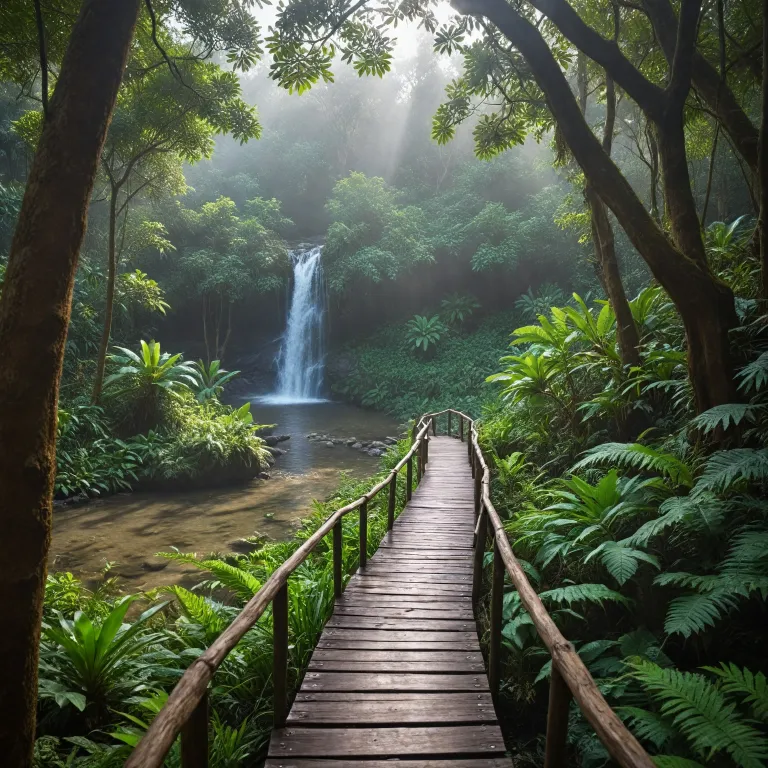
Luxury stays around mantadia Madagascar for discerning travelers
Mantadia in Madagascar offers a rare blend of refined comfort and raw wilderness. Around the protected forest and national park, a growing collection of premium lodge options now caters to travelers who value privacy, service, and meaningful wildlife encounters. For guests planning several days in the area, this region can anchor an entire trip focused on nature, culture, and elevated hospitality.
The wider Andasibe region of Madagascar sits within easy reach of the capital Antananarivo, yet it feels worlds away once you enter the dense forest and hear the calls of the indri. Luxury and premium properties near Andasibe Mantadia balance proximity to the park with tranquil grounds, often set among primary forest fragments or overlooking lush valleys. Many travelers pair a stay near Mantadia national park with other Madagascar national highlights across Africa, but this area alone already offers a deep and layered experience.
High end lodges close to the park Madagascar entrance typically provide private bungalows, generous terraces, and attentive staff trained in both hospitality and conservation. A well managed mantadia lodge will coordinate guided excursions into the national parks, arrange night walks to search for mouse lemur and other nocturnal species, and ensure guests return to a refined table and comfortable night of rest. When comparing lodge options, look for clear policies on financial protection, flexible holiday terms, and transparent information about conservation fees that support the special reserve and surrounding communities.
Designing a premium trip around andasibe mantadia national park
Planning a luxury holiday around Mantadia in Madagascar starts with understanding the rhythm of the forest. The best time for many travelers is between April and November, when trails in the national park are generally drier and wildlife viewing is excellent. During these months, a three to five days stay allows enough time to explore both the main park and the nearby special reserve without rushing the experience.
Most premium itineraries begin in the capital Antananarivo, with a road transfer of several hours to Andasibe. On arrival, guests usually settle into their chosen lodge before an afternoon walk in the forest or reserve to hear the haunting call of the largest lemur, the indri. Over the following days, carefully paced excursions reveal different lemur species, from the striking diademed sifaka to the elusive black white ruffed lemur and the tiny mouse lemur seen on guided night walks.
Travelers seeking a broader Madagascar national itinerary often combine Andasibe Mantadia with refined coastal stays, such as Saint Marie island escapes on the historic east coast. This pairing contrasts the cool primary forest of the park Madagascar interior with warm lagoon waters and relaxed beach days. When working with a specialist agency or premium booking website, ensure that transfers, park permits, and lodge reservations are confirmed in writing, and that financial protection covers all segments of the trip, including internal travel across Africa.
How luxury lodges elevate the mantadia Madagascar wildlife experience
In Mantadia Madagascar, the choice of lodge directly shapes the quality of your wildlife encounters. A well located mantadia lodge near the national park entrance reduces transfer times, allowing early access to trails when lemurs are most active. Many premium properties partner closely with certified local guides who know individual indri groups, favored feeding trees of diademed sifaka, and the best spots to observe white ruffed and black white ruffed lemur families.
Inside the forest and reserve, expert guides help guests interpret subtle signs, from fresh tracks to distant calls, turning each walk into a layered learning experience. After hours on the trails, returning to a refined lodge with hot showers, thoughtful cuisine, and quiet terraces allows travelers to process the day’s sightings and prepare for the next morning. Carefully designed night walks, arranged through the lodge, reveal mouse lemur and other nocturnal species, while strict protocols ensure minimal disturbance to wildlife.
Behind the scenes, many premium lodges collaborate with the Madagascar National Parks Association (PNM-ANGAP), the governing body responsible for Andasibe Mantadia National Park, to align guest activities with conservation priorities. Guests increasingly expect transparent financial protection, clear explanations of park Madagascar fees, and evidence that part of their holiday spend supports habitat restoration and community projects. To understand how hospitality professionals curate these experiences, travelers can explore this in depth overview of the team behind Madagascar’s luxury and premium hotel booking websites, which highlights the expertise required to balance comfort, safety, and environmental responsibility.
Navigating premium booking platforms for mantadia national park stays
For travelers planning a refined trip to Mantadia Madagascar, specialized booking platforms have become essential tools. These sites curate a selection of lodge options around Andasibe Mantadia, highlighting which properties offer direct access to the national park, which focus on immersive wildlife experiences, and which prioritize privacy and design. By comparing room categories, included activities, and guest reviews, travelers can align their holiday expectations with the reality on the ground in Madagascar.
Reliable platforms clearly indicate whether rates include guided visits to the park Madagascar, transfers from the capital Antananarivo, and contributions to the special reserve or surrounding communities. They also outline financial protection mechanisms, such as secure payment systems and clear cancellation policies, which are particularly important for long haul travel to Africa. When a site explains how it works with Madagascar National Parks and local partners, it becomes easier to understand how each booking supports conservation of lemur species and primary forest habitats.
Some premium websites go further by publishing detailed hotel manager profiles and sustainability commitments, helping guests choose a mantadia lodge whose values match their own. A useful reference is this guide to exploring luxury and premium hotel booking websites in Madagascar, which explains how expert teams vet properties around Andasibe and other national parks. By using such resources, travelers can craft a multi days itinerary that balances time in the forest and reserve with restful nights, confident that both comfort and conservation have been carefully considered.
Wildlife, seasons, and the best time for an andasibe mantadia holiday
The forest ecosystems around Mantadia Madagascar are shaped by altitude, rainfall, and seasonal patterns, all of which influence wildlife viewing. Andasibe Mantadia National Park sits at an elevation of around 800 m, with high annual rainfall that keeps the primary forest lush and supports a remarkable diversity of species. Within this landscape, at least fourteen lemur species have been recorded, including the iconic indri, the diademed sifaka, several ruffed lemur forms, and the tiny mouse lemur active during night walks.
For many travelers, the best time to visit this part of Madagascar national territory is during the cooler, drier months from April to November. Trails in the park Madagascar area are generally more accessible, and the calls of the largest lemur, the indri, carry clearly through the morning mist. During these months, a carefully planned trip of several days allows guests to explore both the main national park and the adjacent special reserve, maximizing chances to see multiple lemur species and forest birds.
Even in the drier season, conditions can change quickly in this part of Africa, so premium lodges and booking platforms emphasize flexible planning and robust financial protection. Guests are advised to pack lightweight waterproof layers, sturdy walking shoes, and neutral clothing suitable for both day hikes and cooler night walks. By aligning travel dates with seasonal patterns and expert guidance from Madagascar National Parks staff, visitors can enjoy a richer, more comfortable holiday while minimizing their impact on the forest and reserve ecosystems.
Conservation, community, and responsible luxury around park Madagascar
Luxury travel around Mantadia Madagascar increasingly centers on responsibility as much as comfort. The Andasibe Mantadia region was protected to safeguard endemic species and primary forest, and today Madagascar National Parks works with local communities, international partners, and tourism operators to maintain this delicate balance. “The best time to visit is between April and November when the weather is cooler and drier.”
Premium lodges near the national park often support research programs that monitor lemur species, from the largest lemur, the indri, to the striking diademed sifaka and the elusive black white ruffed lemur. Some properties contribute to reforestation projects that reconnect fragments of primary forest, improving habitat for wildlife and strengthening the ecological value of the special reserve. Guests may be invited to learn about these initiatives during evening talks, turning a holiday night into an opportunity to understand how their stay supports conservation in Madagascar and across Africa.
Responsible booking platforms highlight which mantadia lodge partners adhere to eco friendly practices, such as limiting plastic use, managing waste responsibly, and employing local staff from Andasibe and nearby villages. Clear information about park Madagascar fees, community levies, and financial protection helps travelers see how their trip contributes to long term resilience for both people and wildlife. By choosing operators aligned with Madagascar National Parks and community priorities, visitors can enjoy refined days in the forest and peaceful nights at their lodge, knowing that their presence supports the future of Andasibe Mantadia and its remarkable lemurs.
Key figures about andasibe mantadia national park
- Protected area size of approximately 155 km² of forest and reserve.
- Average annual rainfall around 1 700 mm, sustaining lush primary forest.
- Elevation range close to 800 m, creating cool, humid conditions for wildlife.
- At least 14 lemur species recorded within the wider Andasibe Mantadia complex.
Essential questions for planning a mantadia Madagascar stay
What is the best time to visit Andasibe Mantadia National Park ?
The best time to visit is between April and November when the weather is generally cooler and drier, which makes trails more comfortable and wildlife viewing more reliable. During these months, the calls of the indri and other lemur species carry clearly through the forest, enhancing the overall experience. Travelers should still prepare for occasional rain, as the park Madagascar region remains humid throughout the year.
Are there accommodations near the park ?
Yes, there are several lodges and hotels in and around the village of Andasibe, within convenient driving distance of the national park entrances. Options range from simple guesthouses to refined mantadia lodge properties that cater to premium and luxury travelers. When booking, guests should review which services are included, such as guided walks, transfers from the capital Antananarivo, and contributions to Madagascar National Parks conservation efforts.
Is it possible to see the indri lemur in the park ?
Yes, Andasibe Mantadia is renowned for its accessible population of indri, the largest lemur, which is frequently observed during guided walks in both the main park and the nearby special reserve. Local guides know the territories of different indri groups and can often locate them by their distinctive morning calls. While sightings can never be guaranteed, visitors who spend several days in the area and join early morning excursions have very good chances of seeing this emblematic species.