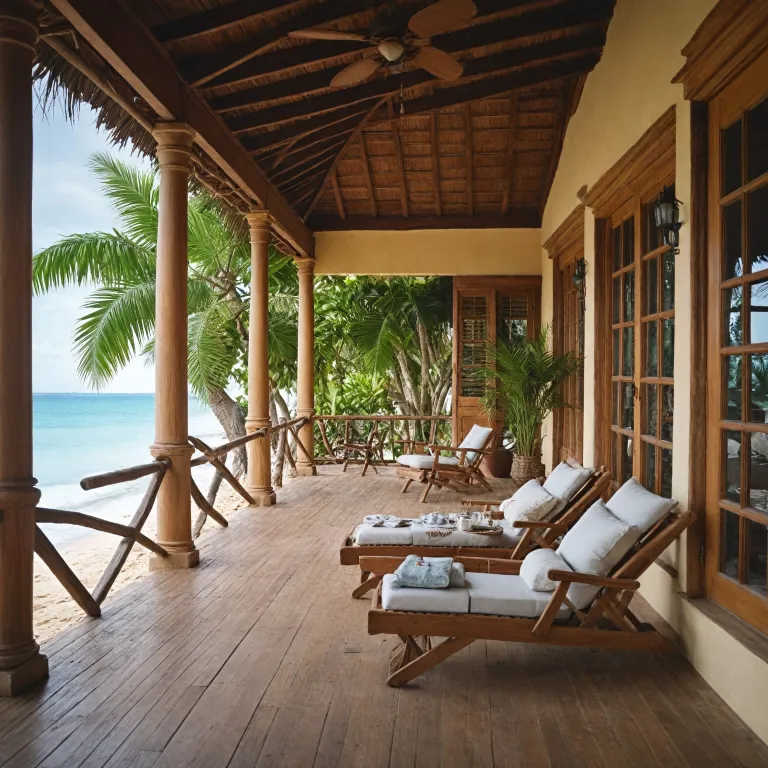
Luxury perspectives on saint marie island for discerning travelers
Saint marie island, also known as Nosy Boraha, offers a rare blend of understated luxury and deep cultural character. This tropical island off the east coast of Madagascar combines calm beaches, refined lodges, and a strong sense of place that appeals to thoughtful travelers. For guests planning a premium trip, understanding how marie island hospitality connects with its pirate past, marine life, and local communities is essential.
The island sits in the Indian Ocean opposite the lush coast Madagascar, with the main town of Ambodifotatra acting as a practical hub for ferries, markets, and administrative services. From here, visitors can move north or south along the east coast to reach secluded beaches, intimate properties, and the smaller satellite of Île aux Nattes. Because sainte marie remains relatively small compared with other island Madagascar destinations, availability in high season can be limited, so advance planning through a specialized platform is crucial.
Premium travelers often arrive by air from Antananarivo or Toamasina, or by sea via the two hour ferry from Soanierana Ivongo on the mainland. The crossing from Soanierana Ivongo introduces guests to the maritime character of the region, with views of the marie east coastline and the low green silhouette of marie ile emerging ahead. Once on sainte marie, time slows naturally, and the rhythm of tides, fishing pirogues, and whale watching excursions shapes each day.
Choosing refined stays between sainte marie and île aux Nattes
Selecting the right property on sainte marie requires balancing comfort, access, and the type of experience you want from this island. Many luxury and premium options stretch along the east coast, where the beaches are wide, the breeze constant, and views across the Indian Ocean feel endless. Others sit closer to Ambodifotatra or the north, ideal for travelers who value quick access to services, diving centers, and the historic pirate cemetery.
On the southern tip, Île aux Nattes offers a more secluded atmosphere, with small upscale lodges facing turquoise water and palm lined beaches. The short boat transfer between sainte marie and île aux Nattes takes only a few minutes, yet it feels like crossing into another marie island entirely, quieter and more intimate. Many guests split their trip between the main marie east coastline and aux Nattes, combining activity filled days with slower time on this tiny tropical island.
Well known addresses such as Princesse Bora and Bora Lodge illustrate how high end stays can remain rooted in local materials and traditions. These properties typically emphasize natural ventilation, generous verandas, and direct access to the beach or lagoon, rather than ostentatious design. When comparing options on a dedicated Madagascar booking website, look for clear information about room orientation, beach quality, and transfer logistics between sainte marie, île sainte, and aux Nattes.
Designing a premium itinerary around beaches, history, and whale watching
A thoughtful itinerary on saint marie balances time on the beaches with excursions that reveal the island’s layered history. Along the east coast, long strands of sand alternate with small coves, giving guests the choice between lively stretches near villages and quieter beaches near more remote lodges. Many travelers schedule relaxed mornings by the lagoon, followed by guided activities that connect sainte marie with its pirate and maritime heritage.
One essential stop is the pirate cemetery near Saint Pierre, where weathered tombstones overlook the Indian Ocean and recall the era when Adam Baldridge and other corsairs used Nosy Boraha as a base. The quote “Visit the pirate cemetery in Saint-Pierre to explore the island's pirate history.” captures how this site anchors the narrative of marie island as a former pirate haven. From here, guides often lead walks through nearby villages, explaining how the community of marie ile has evolved from those turbulent times to a peaceful, tourism oriented economy.
Between July and October, sainte marie becomes one of the Indian Ocean’s most respected whale watching destinations. Humpback whales migrate along the coast Madagascar, and specialized operators organize responsible excursions that respect distance and noise guidelines. Combining a morning at sea with an afternoon on the beaches of Île aux Nattes or the north coast allows travelers to experience both the grandeur of marine life and the intimacy of island daily life.
Diving, marine experiences, and responsible travel on nosy Boraha
Diving and snorkeling around saint marie island reveal coral gardens, reef fish, and occasional encounters with turtles in clear tropical waters. Several dive centers based near Ambodifotatra and along the east coast offer courses and guided dives suitable for both beginners and experienced guests. When comparing options on a Madagascar focused booking platform, check whether packages include transfers from your lodge and whether equipment is maintained to international standards.
Beyond classic diving, many visitors choose guided lagoon explorations by kayak or stand up paddleboard, especially around Île aux Nattes and the sheltered bays of marie east. These low impact activities allow you to appreciate the subtle gradients of color between shallow sandbanks and deeper channels around the island Madagascar. Responsible operators will brief guests on avoiding coral contact, respecting turtle nesting areas, and minimizing disturbance to humpback whales during the migration season.
Ethical whale watching is a central theme for premium travelers who value conservation as much as comfort. The statement “Nosy Boraha is known for its history as a pirate haven during the 17th and 18th centuries, as well as its preserved natural beauty and whale watching opportunities.” underlines how marine life and heritage coexist here. Choosing certified guides for whale watching, diving, and coastal excursions ensures that your trip supports local employment while protecting the fragile ecosystems that make sainte marie and aux Nattes so special.
Access, transfers, and timing your stay on sainte marie island
Reaching saint marie requires coordination, especially for travelers planning multi stop itineraries across Madagascar. Many guests fly from Antananarivo or Toamasina to Nosy Boraha airport, then continue by road along the east coast to their chosen lodge. Others opt for the ferry from Soanierana Ivongo, a route summarized by the guidance “Nosy Boraha can be reached by air via flights from Antananarivo, Toamasina, or La Réunion, and by sea through a two-hour boat trip from Soanierana Ivongo.”
Once on the island, transfers between Ambodifotatra, the north, and Île aux Nattes are usually arranged by hotels or specialized agencies. Premium platforms often coordinate private vehicles or boat shuttles, ensuring smooth connections between marie island properties such as Princesse Bora, Bora Lodge, and smaller addresses on aux Nattes. When planning your trip, verify whether transfer costs are included, and confirm approximate time needed to move between the airport, ferry pier, and your final destination.
Climate plays a decisive role in choosing the best time to visit this tropical island. The reference “Nosy Boraha has a tropical climate with three seasons: a hot, tropical season from January to April; a cool, wet season from May to August; and a mild, dry season from September to December.” offers a clear framework for planning. Many luxury travelers favor the mild, drier months for beach stays, while whale watching enthusiasts align their travel dates with the peak passage of humpback whales along the coast Madagascar.
Curated booking strategies and guest stories for luxury stays
Because sainte marie and Île aux Nattes remain relatively small, a curated booking strategy helps secure the most suitable rooms and experiences. Specialized platforms dedicated to Madagascar often maintain close relationships with local owners, allowing them to advise on subtle differences between marie east properties and those on the more sheltered western side. Reading detailed descriptions and recent guest feedback is essential when comparing options on marie island and the surrounding islets.
For deeper insight into real experiences, many travelers consult long form testimonials and case studies before confirming a trip. Resources such as guest stories unveiling luxury and premium hotel booking experiences in Madagascar help illustrate how different profiles of visitors interact with the island. These narratives often highlight how time on the beaches, visits to the pirate cemetery, and days spent on aux Nattes combine into a coherent, memorable journey.
When finalizing reservations, consider structuring your stay to include at least two distinct locations on sainte marie. One option is to begin near Ambodifotatra or the north for easier access to diving, whale watching, and historical sites, then end with quieter days on Île aux Nattes. This approach allows you to experience both the cultural pulse of marie ile and the serene, lagoon focused atmosphere of aux Nattes, all within a single, well organized itinerary.
Community, culture, and the evolving identity of nosy Boraha
Behind the beaches and palm trees, saint marie island is a living community shaped by history, governance, and everyday life. Ambodifotatra serves as the administrative heart of Nosy Boraha, with local leadership, including the mayor Ismak Ado Crophe Beassou, overseeing development and tourism policies. For travelers, this means that responsible booking choices can directly support initiatives that preserve both the pirate heritage and the natural environment of marie ile.
Guided village walks introduce visitors to the rhythms of fishing, agriculture, and small scale commerce that sustain families along the east coast. Many premium lodges collaborate with local associations to promote training, language skills, and environmental awareness, ensuring that tourism on this island Madagascar remains inclusive. Guests are encouraged to “Engage with local guides to learn about the island's flora and fauna.” and to “Respect local customs and traditions during your visit.” as part of a broader commitment to ethical travel.
Historical research projects, often supported by Madagascar’s Ministry of Culture and regional partners, continue to shed light on the pirate era that once defined sainte marie. The timeline from Adam Baldridge’s settlement to the present day helps contextualize visits to the pirate cemetery and other landmarks. As interest in historical and eco tourism grows, luxury travelers who choose carefully vetted properties on marie island and aux Nattes contribute to a sustainable future for this remarkable corner of the Indian Ocean.
Key figures about nosy Boraha and saint marie island
- Approximate area of Nosy Boraha (sainte marie island) : 222 km².
- Estimated population of the island and surrounding islets : around 30 000 people.
Essential questions about travel and stays on sainte marie
What is Nosy Boraha known for ?
Nosy Boraha is known for its history as a pirate haven during the 17th and 18th centuries, as well as its preserved natural beauty and whale watching opportunities.
How can I reach Nosy Boraha ?
Nosy Boraha can be reached by air via flights from Antananarivo, Toamasina, or La Réunion, and by sea through a two-hour boat trip from Soanierana Ivongo.
What is the climate like on Nosy Boraha ?
Nosy Boraha has a tropical climate with three seasons: a hot, tropical season from January to April; a cool, wet season from May to August; and a mild, dry season from September to December.