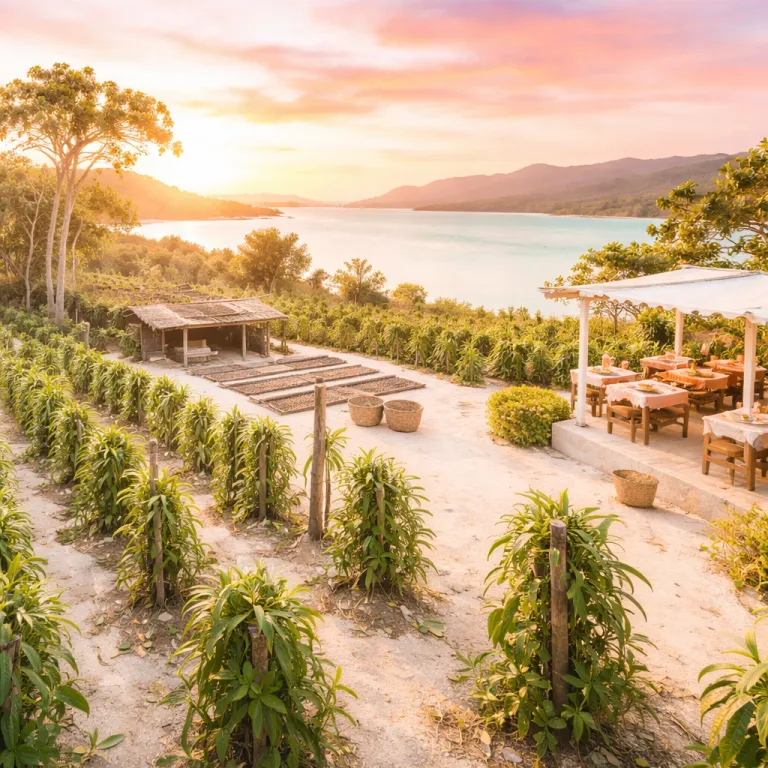
Family guide to Sava vanilla plantations in Madagascar
Why the Sava vanilla plantations in Madagascar belong on a family itinerary
The Sava region on Madagascar’s northeast coast is where vanilla shapes landscapes and livelihoods. Here, humid air rolls in from the Indian Ocean and wraps itself around vanilla plants climbing shade trees, making this corner the quiet heart of global vanilla. Families who care about food, culture and responsible travel will find that a visit to Sava vanilla plantations in Madagascar turns an everyday vanilla bean into a story children remember for years.
Across Sambava, Antalaha, Vohemar and Andapa, small scale farmers tend green beans that will eventually become the black beans you see in glass tubes in gourmet shops. According to Madagascar’s Ministry of Tourism and trade statistics from the International Trade Centre, the Sava region produces the majority of the island’s export vanilla, and a large proportion of Bourbon vanilla on world markets originates here, though exact percentages vary by season and source. When you walk a path between vanilla orchids and cacao trees, you are standing in the heart of a global supply chain that links a single vanilla bean in your kitchen to thousands of Malagasy families today.
Vanilla cultivation here is meticulous work, and children quickly grasp how fragile the process is. Flowers open for just one morning, and farmers hand pollinate each vanilla orchid with a sliver of bamboo, a gesture that turns a flower into a future vanilla bean. Local guides often explain that the Sava region is ideal for vanilla cultivation because its humid climate and fertile soil are perfect for the crop, which helps young travelers connect the warm, wet air they feel on their skin with the quality and flavor they later taste at dinner.
From green pod to cured stick: understanding vanilla cultivation and curing
On a working plantation near Sambava, a guide will usually start by showing you the green beans still hanging from the vines. These unassuming pods are the raw material for Madagascar vanilla, and the timeline from flower to finished stick stretches over many months of careful cultivation. Families see that vanilla production is not an industrial shortcut but a patient choreography of planting, pollination, harvesting and curing that runs almost year round.
The typical calendar in the Sava region begins with planting and training vanilla plants onto support trees, followed by hand pollination during the flowering season and a long wait until harvest. When the vanilla beans finally reach maturity, farmers cut each vanilla bean individually, then start the curing process that transforms grassy green beans into supple black beans with concentrated flavor. This curing involves scalding, sweating, sun drying and conditioning, and children often enjoy feeling the difference between a fresh pod and a finished stick laid out on wooden racks or in simple drying houses.
Because Sava is now linked by new domestic air routes, pairing a plantation visit with a coastal stay has become much easier for families. You can fly into Sambava with the national carrier (Air Madagascar and its domestic brand Tsaradia operate most routes), then continue by road to a lodge that understands both comfort expectations and the realities of a working agricultural region, while using an international airline such as Ethiopian Airlines or Air France for the long haul legs as outlined in a detailed itinerary analysis on Antananarivo flight planning. The best properties arrange private visits to responsible plantations, where guides explain how a transparent supply chain and direct trade models help farmers secure better prices for their Bourbon vanilla.
Choosing ethical plantations and family friendly stays in the Sava region
Not every farm that advertises visits in Sava is ready to host thoughtful travelers, and families should be selective. Look for plantations that work with established partners such as Biovanilla, a certified organic exporter based in the region, or well documented cooperatives around Sambava and Andapa, where thousands of growers contribute to traceable vanilla cultivation. These projects usually limit group sizes, keep paths safe for children and ensure that your presence supports, rather than disrupts, the daily rhythm of farmers making a living from vanilla beans.
Ask your hotel to confirm that workers are paid fairly, that visits are scheduled outside the most intense curing or harvest days and that photography rules respect people’s privacy. Properties that take this seriously will often brief you on the broader context of global vanilla, explaining how price swings affect small scale producers and why a resilient supply chain matters to both local communities and international buyers. Many of the better lodges in Sambava and Antalaha now highlight their relationships with specific cooperatives, which gives you a clear line of sight from your room to the fields where Madagascar vanilla grows and helps you choose operators whose practices match your values.
When comparing accommodation, prioritize locations within a short drive of both the coast and at least one inland plantation, especially if you are traveling with younger children. Some family friendly hotels near Sambava offer shaded pools, flexible meal times and early dinners, which help balance hot, humid plantation visits during the day. For returning guests tracking how the region evolves, analyses on Madagascar’s tourism recovery provide useful context on infrastructure upgrades that quietly improve road access to the Sava region and shorten transfer times between Sambava, Antalaha and nearby vanilla estates.
Vanilla in Malagasy cuisine: where families eat well near the plantations
In Sava, vanilla is not confined to pastry trolleys and ice cream bowls. Malagasy cooks fold vanilla extract and scraped seeds into savory sauces with ginger, garlic, onion, tomato and curry powder, creating dishes where the spice lifts seafood, poultry and even vegetables without turning them sweet. For families, tasting these plates near the very fields where the vanilla bean grew is often the moment when the abstract idea of global vanilla becomes something intimate and memorable.
In Sambava, look for simple waterfront restaurants where the catch of the day arrives grilled and glossed with a light vanilla sauce, served alongside rice and local greens. More polished hotel dining rooms in Antalaha might offer lobster with a restrained Bourbon vanilla reduction, or chicken simmered slowly with green beans, black beans and a hint of vanilla orchid aroma, all plated in a way that still feels relaxed enough for children. Menus usually feature Madagascar vanilla in desserts too, from crème brûlée to fresh fruit salads, but it is the savory applications that best express the region’s culinary confidence today.
Parents who enjoy cooking at home often choose to buy a small bundle of cured vanilla beans directly from a cooperative shop, where staff explain how to store them and how to make your own vanilla extract. These outlets sometimes arrange free or low cost shipping with international partners, though conditions vary and you should confirm details carefully before relying on year round availability. For a broader sense of how Malagasy ingredients fit into the island’s ecosystems, the arboreal focus of a refined guide to trees in Madagascar pairs well with a Sava itinerary, especially for children fascinated by the shade trees that shelter vanilla plants.
A two day family itinerary around Sambava: pairing coast, cultivation and cuisine
Base your family at a comfortable oceanfront hotel in Sambava, where rooms open onto the beach and the sound of waves softens the region’s intense humidity. On day one, spend the morning by the pool or walking the shoreline, then head into town for a market visit where traders sell everything from fresh vanilla beans to spices and seasonal fruit. In the afternoon, your hotel can arrange a short excursion to a nearby plantation, keeping driving times manageable for children while still giving you a close look at vanilla cultivation.
Day two works well as a deeper dive into the countryside, with an early start towards Andapa or another inland valley where agroforestry plots mix vanilla plants with cacao, cloves and shade trees. Here, guides walk you through each stage of vanilla production, from hand pollination of the vanilla orchid to the curing sheds where black beans rest in wooden boxes, and children can ask farmers about their work and families. Many visitors are struck by the explanation that Bourbon vanilla is a premium vanilla variety from Madagascar, which takes on new meaning when you see how much labor sits behind every fragrant pod and how many months pass before a single bean is ready for export.
Plan lunch at a roadside restaurant that understands both local tastes and international palates, perhaps ordering grilled fish with a light vanilla sauce for adults and simpler plates for younger travelers. In the afternoon, return to Sambava for a final swim and a relaxed dinner where you can compare different expressions of Madagascar vanilla, from a classic vanilla bean crème dessert to a more adventurous savory dish. Before you leave, consider how your visit fits into the wider supply chain, and remember that in the Sava region vanilla flowers are hand pollinated by farmers, a daily gesture that sustains tens of thousands of people whose livelihoods depend on this crop.
FAQ
When is the best time for families to visit the Sava vanilla region ?
The most comfortable period for family travel in Sava runs through the drier, cooler months, when roads are more reliable and plantation paths are less muddy. Vanilla cultivation and curing activities take place across much of the year, so you can usually see some part of the process whenever you come. For very young children, avoiding the heaviest rains also reduces the risk of heat related fatigue during plantation walks.
How long does it take for a vanilla bean to go from flower to table ?
From hand pollination of the vanilla orchid to a fully cured stick, the process typically spans many months. Farmers wait several months after pollination before harvesting the green beans, then spend additional weeks on scalding, sweating, sun drying and conditioning. By the time a vanilla bean reaches your kitchen, it has usually been in someone’s care for close to a year.
Can children handle a visit to working vanilla plantations in Madagascar ?
Most school age children manage plantation visits well, provided you plan for heat, humidity and uneven paths. Choose farms that limit walking distances, offer shaded rest areas and are accustomed to hosting families, ideally with guides who can adapt explanations to younger visitors. Bringing water, hats and light clothing makes the experience more comfortable and allows children to focus on the story of vanilla production rather than the weather.
Is it better to buy vanilla beans directly in Sava or from exporters at home ?
Buying a small quantity of vanilla beans from reputable cooperatives in Sava can be a meaningful way to support local farmers and take home a tangible memory. For larger volumes or regular use, established exporters in your home country may offer more predictable quality control, labeling and shipping conditions. Many travelers combine both approaches, purchasing a few carefully selected beans on site and relying on trusted suppliers for ongoing needs.
How can I be sure my visit supports ethical vanilla cultivation rather than exploitation ?
Work with hotels and guides who partner with recognized cooperatives or organizations committed to traceable, fair trade vanilla production. Ask specific questions about how farmers are paid, how visitor numbers are managed and whether part of your fee goes directly to community projects. Ethical operators are transparent about these details and will welcome your interest in how tourism can strengthen, rather than strain, the Sava region’s vanilla based economy.