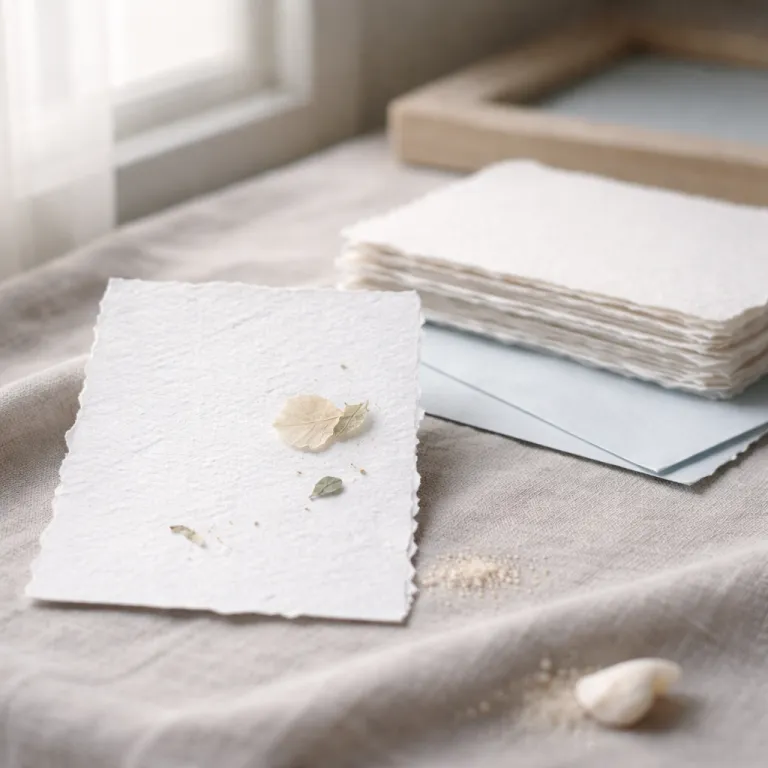
Antaimoro paper Madagascar: a coastal story written in bark and light
On Madagascar’s east coast, a sheet of textured paper can say more about place than any glossy brochure. When a luxury lodge hands you a welcome note on traditional Antaimoro paper, you are holding a fragment of history from an ethnic group that has shaped this shoreline for centuries. That single object quietly links the rainforest belt, the Indian Ocean breeze, and the Antaimoro people who still turn tree bark into a refined medium for writing and art.
The Antaimoro (often spelled Antemoro) are a Malagasy ethnic group whose ancestors settled along east Madagascar, especially between Manakara and Farafangana, bringing with them a written tradition rare on the island. Their scholars developed sorabe, a script that uses an Arabic script base to write the Malagasy language, and they needed a durable surface that could preserve sacred texts for more than one century. Ethnographic and historical studies on Malagasy manuscripts describe how Antaimoro paper Madagascar emerged from that need as both spiritual tool and everyday material, a paper commonly used for ritual documents before it became a decorative favorite in hotels and galleries.
Today, when high end properties on the east coast choose locally produced Madagascar Antaimoro stationery instead of imported card stock, they are not making a nostalgic gesture. They are supporting living communities of artisans whose knowledge of making paper has been retrieved and refined through family lines, often with children learning beside parents at the vats. As one artisan in Ambalavao explained to a visiting researcher in a documented interview, “We learned from our grandparents, and we want our children to keep this work alive.” For travelers, reading a menu or turndown note on this textured surface becomes a tactile way to understand how language, landscape, and an ethnic group’s resilience can all take physical form in a single sheet.
From avoha bark to hotel stationery: how Antaimoro paper is made
Walk into a working workshop and the first thing you notice is the scent of wet bark and sun warmed water. Antaimoro artisans soak and boil the inner bark of the avoha tree, generally identified by researchers as a mulberry relative in the Moraceae family native to Madagascar’s humid regions, beating it into a pulp that becomes the base for Antaimoro paper Madagascar, a material once reserved for sorabe manuscripts and now used for refined hotel stationery. The rhythm of wooden paddles, the quiet talk in Malagasy language, and the soft slap of pulp on frames create a soundscape as distinctive as any rainforest dawn chorus.
The paper production process is deceptively simple to watch yet complex in its accumulated knowledge. Artisans pour the avoha mixture into shallow basins, then lift it on wooden frames lined with linen cloth, where the future sheet takes form under their hands. Before the water drains, they arrange flowers and leaves in delicate patterns, creating a design that will be permanently embedded in the surface, so each sheet of Antaimoro paper becomes a one off artwork rather than a mass produced souvenir.
For luxury travelers, understanding this making paper ritual changes how hotel details feel. A welcome card at a refined lodge near Manakara Farafangana, printed in two languages and edged with pressed flowers and leaves, suddenly carries the weight of a century Antaimoro tradition. When you later read about Madagascar’s evolving travel landscape in an in depth analysis of the country’s tourism recovery and outlook, that same card on your bedside table becomes a reminder that sustainable paper commonly produced in Madagascar centers like Ambalavao is part of a broader story of cultural resilience and thoughtful hospitality. Ethnographic work on Malagasy crafts has repeatedly noted how such everyday objects can act as “portable archives” of local history, and Antaimoro paper fits that pattern.
Ambalavao’s Antaimoro centers: where workshops meet the luxury travel circuit
Most travelers first encounter Antaimoro paper Madagascar in the Central Highlands, long before they reach the east coast lodges that use it most elegantly. In Ambalavao, the centers Ambalavao cluster around a single active workshop hosted within Hotel Aux Bougainvillées, a long established property frequently cited in guidebooks, where Antaimoro artisans run daily demonstrations for guests and passing visitors. Here, the ethnic group’s craft has been formalized into a cultural workshop that still feels grounded rather than staged.
The workshop operates year round, with paper production taking place in a courtyard where basins, wooden frames, and linen cloth are laid out in the sun. You watch bark being boiled, pulp spread, and flowers and leaves arranged, then see the sheets dried into a finished form that will later appear as stationery in hotels across Madagascar, including refined properties on east Madagascar’s coast. The setting is modest, but the knowledge of paper embedded in each gesture is profound, especially when artisans explain how sorabe Arabic texts were once copied by hand on similar sheets for Antaimoro people scholars, a practice documented in regional manuscript collections.
For solo travelers, this stop fits neatly between wildlife focused stays and coastal retreats, especially if you are already using Ambalavao as a base for nearby parks. It also offers a practical lesson in how to read hotel sustainability claims, complementing guides such as the detailed analysis on how families can tell conservation apart from marketing at lemur focused lodges. When a property proudly notes that its menus or welcome letters are produced Madagascar style using Antaimoro paper from Ambalavao rather than imported stock, you can now picture the communities, the ethnic group, and the children learning the craft behind that choice.
East coast lodges and the quiet luxury of handwritten sorabe shadows
On the east coast, the most interesting luxury properties do not shout about Antaimoro paper Madagascar in their marketing. Instead, they let the material appear quietly in turndown notes, spa menus, or hand addressed envelopes that arrive with sunset cocktails on a deck above the surf. The texture under your fingers, slightly rough yet surprisingly strong, hints at the avoha bark and river water that shaped it.
In refined lodges between Manakara and Farafangana, and on islands further north, you may notice stationery where the layout subtly echoes sorabe, the historic writing system that adapted Arabic script to the Malagasy language. No one is pretending that your welcome card is a sacred text, yet the visual rhythm of lines and margins pays homage to the way Antaimoro paper commonly carried religious and astrological knowledge for the Antaimoro people. Some properties commission custom runs from Madagascar Antaimoro workshops, ensuring that their logos sit alongside embedded flowers and leaves chosen to match the surrounding forest or reef.
Choosing a hotel that still sources locally produced Madagascar centers paper is a small but meaningful decision for travelers who care about cultural continuity. It keeps money in local communities, supports an ethnic group’s craft, and helps ensure that knowledge retrieved from older generations does not fade into a purely touristic form. When you compare properties on a curated platform like My Madagascar Stay’s refined Île Sainte Marie travel guide, pay attention to which lodges mention Antaimoro paper in their room details or sustainability notes, because that often signals a deeper engagement with Malagasy culture beyond surface level décor.
How to visit Antaimoro workshops respectfully and choose hotels that care
Planning a visit to an Antaimoro paper Madagascar workshop is straightforward, but doing it well requires intention. In Ambalavao, Hotel Aux Bougainvillées hosts the main working site, and booking through the hotel reception ensures that Antaimoro artisans are ready to guide you without disrupting their paper production rhythm. On the east coast, smaller family run operations near Manakara Farafangana may not have formal schedules, so asking your lodge to arrange a visit through local communities is the most respectful route.
Once on site, treat the space as both workplace and cultural archive. Ask before taking photographs, especially of children who might be helping with simple tasks like arranging flowers and leaves or carrying bark, and buy your stationery directly from the artisans rather than from resellers who may not pay fair margins. A simple set of cards or a notebook made from Antaimoro paper becomes a tangible way to support the ethnic group’s economic resilience while bringing home a piece of Madagascar that will age gracefully over the next century.
When choosing where to stay, look for properties that explain how their paper commonly used for guest communication is sourced, and whether it is produced Madagascar style by recognized Madagascar Antaimoro workshops. Cross reference those claims with broader context from in depth travel analyses, and favor hotels that integrate local language, Antaimoro motifs, and clear credit to the ethnic group in their room literature. As one practical guideline from the expert material puts it, “Book workshops in advance, respect local customs, purchase authentic products directly from artisans”, a simple trio of actions that turns a single afternoon into one of the most meaningful cultural experiences in southern Madagascar.
FAQ
What is Antaimoro paper made from ?
Antaimoro paper is made from the inner bark of the avoha tree, generally described by botanists as a mulberry relative native to Madagascar’s humid regions. Artisans boil and beat this bark into a pulp, then spread it in thin layers on wooden frames lined with cloth. While the sheet is still wet, they often add dried flowers and leaves, creating the distinctive decorative effect seen in many hotels.
Where can I participate in an Antaimoro paper workshop ?
The most accessible place for travelers to join a structured Antaimoro paper workshop is at Hotel Aux Bougainvillées in Ambalavao, where artisans run demonstrations and short hands on sessions. This workshop operates year round and can be booked through the hotel reception or a trusted driver guide. On the east coast, some smaller family workshops near Manakara and Farafangana may also welcome visitors by prior arrangement through local lodges.
What products are made from Antaimoro paper ?
Artisans use Antaimoro paper to create stationery, notebooks, and envelopes that many luxury hotels adopt for welcome cards and menus. They also craft lampshades, wall art, and decorative boxes, often inlaid with pressed flowers and leaves. These products are lightweight, durable, and easy to pack, making them ideal souvenirs for travelers.
Why does Antaimoro paper matter for luxury hotel guests ?
For luxury travelers, Antaimoro paper offers a direct connection to Malagasy culture and to the Antaimoro ethnic group’s written heritage. Choosing hotels that use locally produced paper rather than imported stock supports artisan communities and keeps traditional knowledge in active use. It also adds a subtle layer of authenticity to the guest experience, from the first handwritten note to the final bill.
How can I tell if a workshop is authentic rather than just a souvenir stop ?
An authentic workshop will show the full process, from bark preparation to drying sheets, and artisans will be able to explain each step in detail. You should see tools in active use, wet sheets on frames, and some imperfect pieces alongside the finished products. If you only find a shopfront with pre packed items and no visible production area, you are likely in a retail outlet rather than a working Antaimoro paper center.