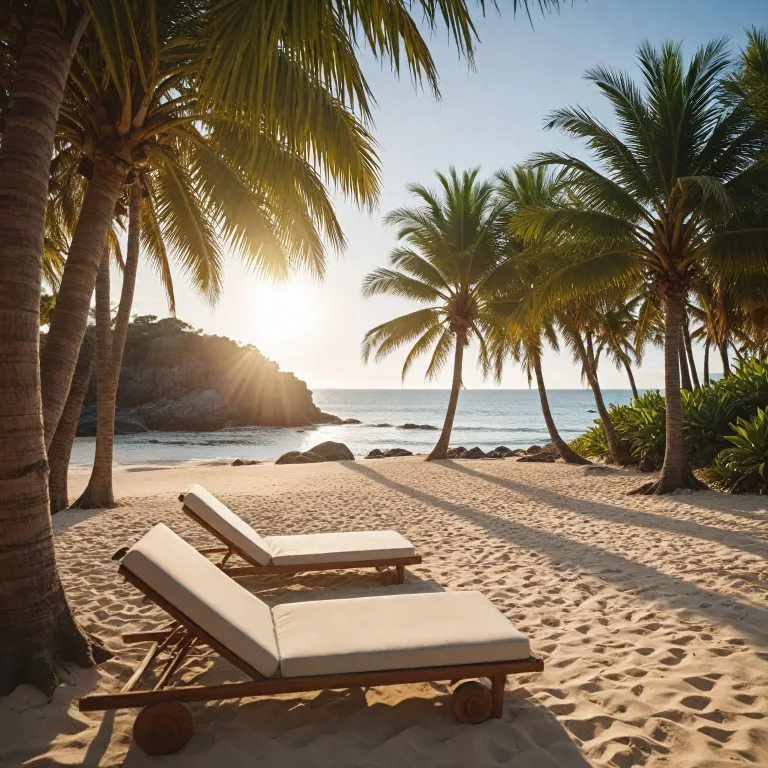
Madagascar beach escapes for refined travellers
Madagascar stretches along more than 5 000 kilometres of coastline, offering a rare combination of wild character and refined comfort for a carefully planned trip. For travellers comparing a Madagascar beach stay with more familiar islands beaches in the Indian Ocean or even south Africa, the country feels more intimate, more surprising, and often more rewarding. Luxury and premium hotel booking websites now curate this coastline with precision, helping you match each beach to your preferred style of holiday.
On Nosy Be, often called the perfumed island, calm coves such as Ambatoloaka and Ambondrona provide white sand, palm trees, and gentle waves that suit couples and families seeking a relaxed Madagascar holiday. Further north, Plage de Ramena near Diego Suarez combines a lively local atmosphere with seafood restaurants, making it one of the best places for travellers who enjoy a social beach scene. From here, many visitors arrange a day trip to the emerald lagoon, where the view over the lagoon and surrounding islands beaches feels almost unreal.
More secluded options include Anjajavy Beach, a 400 metre Madagascar beach framed by coral reefs and dry forests that shelter lemurs and other wildlife. This stretch of coast sits beside Anjajavy National Park, so you can move from snorkelling to guided walks in spiny forests within the same day. For surfers, Libanona Beach in the south near Taolagnaro offers consistent swells, showing that beaches Madagascar can satisfy both relaxed swimmers and serious wave hunters.
Choosing the right Madagascar beach region for your stay
When planning a Madagascar beach holiday, the first decision is which region best suits your expectations for comfort, access, and activities. The north around Nosy Be and Diego Suarez offers some of the best combinations of luxury hotels, reliable services, and easy transfers to nearby island escapes. Southern Madagascar feels wilder and more remote, with fewer properties but a powerful sense of space and a closer connection to untamed landscapes.
In the north, Nosy Be and its satellite islands beaches such as Nosy Komba and Nosy Tanikely provide excellent snorkelling, calm waters, and a strong focus on marine wildlife. Many premium properties here arrange private boat trips to Nosy Mangabe style reserves on the east coast, or to lesser known islets where the only sounds are waves and birds. Around Diego Suarez, Ramena Beach offers a relaxed base, while excursions into the bay reveal dramatic rock formations and a coastline that rivals south Africa for sheer scale.
Southern Madagascar centres on Taolagnaro and Libanona Beach, where the wild ocean meets green hills and long arcs of white sand. This area suits travellers who like a holiday with a slightly adventurous edge, combining a beach stay with hikes in nearby forests and visits to local fishing villages. If you are considering hosting a celebration or corporate retreat, specialised guides on elevating event hosting on luxury and premium booking platforms explain how to align venues with your group’s needs.
Balancing beach relaxation with wildlife and national parks
One of the strongest reasons to choose a Madagascar beach holiday over other island escapes is the ability to combine coastal relaxation with world class wildlife experiences. The country’s isolation has produced around 90 percent endemic species, and many of the best beaches Madagascar offers sit within easy reach of national parks. This means you can spend mornings on white sand and afternoons in forests listening to the calls of lemurs.
On the northwest coast, Anjajavy Beach borders Anjajavy National Park, where dry forests shelter lemurs, chameleons, and rare birds that exist nowhere else in africa. In the east, Andasibe Mantadia and the wider Mantadia National area provide lush rainforests that contrast beautifully with a later stay on a Madagascar beach in the west or north. Travellers often structure a trip that begins with several nights in Andasibe Mantadia, then continues to Nosy Be or another island for a softer, more restful finale.
Further south, spiny forests near the coast create a surreal landscape of thorny plants and baobabs, adding a wild dimension to any holiday ideas that go beyond simple sunbathing. Luxury and premium hotel booking websites can help you pair specific parks, such as a chosen national park in the interior, with coastal properties that minimise transfer times. For event planners or multi generational groups, resources on exclusive venues for unforgettable gatherings show how to weave wildlife, beaches, and cultural experiences into one coherent itinerary.
Using luxury booking platforms to personalise your Madagascar holiday
For travellers comparing multiple destinations, the depth of information on a luxury hotel booking website often determines whether they choose a Madagascar beach or a more familiar resort elsewhere. High quality platforms now go beyond simple room listings, offering detailed descriptions of beaches, nearby national parks, and the best time to visit each region. This helps you understand whether a specific island, such as Nosy Be, suits a quiet romantic holiday or a more active trip with diving and sailing.
Look for booking sites that clearly explain access logistics, including internal flights, boat transfers to islands beaches, and road conditions between airports and coastal towns. Reliable platforms also highlight how close each property lies to key wildlife areas, such as Andasibe Mantadia, Anjajavy National Park, or spiny forests in southern Madagascar. When a hotel page mentions guided safari style excursions, check whether these focus on marine life, forest wildlife, or cultural visits to local communities.
Many premium sites now integrate sustainability filters, allowing you to prioritise eco friendly properties that support national conservation projects and employ local staff. Articles on personalised services on luxury and premium booking websites explain how to request tailored experiences, from private beach dinners to guided walks in nearby forests. By using these tools thoughtfully, you can design a Madagascar holiday that balances comfort, authenticity, and respect for the wild landscapes that make the island so special.
Timing your visit and structuring a multi stop itinerary
Choosing the best time for a Madagascar beach stay is essential, because weather patterns vary between coasts and influence both wildlife viewing and sea conditions. The dry season from April to November is ideal for beach activities, with May to August offering cooler mornings and September through November providing warmer conditions suitable for swimming. During these months, sea clarity often improves, making snorkelling around Nosy Be and other islands beaches particularly rewarding.
Many travellers design a trip that combines two or three regions, such as Andasibe Mantadia for rainforest, Nosy Be for relaxed island escapes, and Diego Suarez for a more adventurous coastal feel. When planning such holiday ideas, consider internal flight schedules and transfer times, especially if you want to include southern Madagascar or remote national park areas. A well structured itinerary usually alternates more active days, such as forest walks or safari style excursions, with slower days on a Madagascar beach to avoid fatigue.
Families often appreciate starting in a national park where children can focus on lemurs and other wildlife, then moving to a calm beach with white sand and shallow water. Couples may prefer the reverse, beginning with a quiet Madagascar beach before heading inland to explore forests and wild landscapes. Whatever your style, remember that beaches Madagascar are diverse, so a little planning with a trusted booking platform can transform a simple holiday into a layered, memorable journey.
Local culture, sustainability, and choosing the best places to stay
Engaging with local communities along the coast adds depth to any Madagascar beach holiday and supports the people who protect these environments. Many coastal villages near beaches Madagascar rely on small scale fishing, and respectful visits can reveal how closely daily life is tied to the indian ocean. When booking, look for hotels that highlight partnerships with local guides, artisans, and conservation groups, as this often indicates a genuine commitment to sustainable practice.
Eco conscious travellers should pay attention to how properties manage water, waste, and energy, especially on smaller island escapes where resources are limited. Some of the best places to stay now contribute directly to nearby national park projects, whether in Andasibe Mantadia, Anjajavy, or coastal forests that shelter rare wildlife. By choosing these hotels, your holiday ideas help fund patrols, research, and education programmes that keep both forests and beaches healthy.
When planning places to visit, consider including a guided walk in spiny forests, a boat excursion to Nosy Mangabe style reserves, or a cultural tour in Diego Suarez to balance time on the sand. “Plan visits during the dry season (April to November) for optimal weather, engage with local communities to learn about cultural practices, support eco-friendly accommodations and tour operators, and be mindful of local wildlife and natural habitats.” This approach ensures that your Madagascar holiday respects the wild character of the island while still delivering the comfort and elegance expected from a premium coastal escape.
Key figures about Madagascar’s coasts and protected areas
- Madagascar’s coastline extends for approximately 5 000 kilometres, offering extensive potential for varied beach experiences.
- About 90 percent of Madagascar’s species are endemic, underlining the importance of linking beach stays with responsible wildlife viewing.
- The Canal des Pangalanes runs for around 654 kilometres, illustrating the scale of the island’s interconnected waterways and coastal environments.
Essential questions for planning a Madagascar beach stay
What is the best time to visit Madagascar's beaches?
The dry season from April to November is ideal for beach activities, with May to August offering cooler mornings and September through November providing warmer conditions suitable for swimming. During this period, sea conditions are generally calmer, which benefits snorkelling, boat excursions, and family friendly swimming. Travellers who prioritise a Madagascar beach holiday should therefore align their trip with these months whenever possible.
Are there opportunities for wildlife viewing near Madagascar's beaches?
Yes, beaches like Anjajavy offer proximity to national parks where visitors can spot lemurs and other unique wildlife. In several regions, short transfers connect coastal hotels with forests, wetlands, or spiny landscapes that host rare birds and reptiles. This makes it easy to combine time on beaches Madagascar with meaningful encounters in protected habitats.
Is Madagascar suitable for surfing?
Yes, beaches like Libanona in Taolagnaro are popular among surfing enthusiasts due to their ideal winds and waves. Swell patterns here suit intermediate and advanced surfers, while nearby coves sometimes offer gentler conditions for learners. Travellers can use premium booking platforms to identify hotels that understand surfers’ needs, from board storage to early breakfast times.