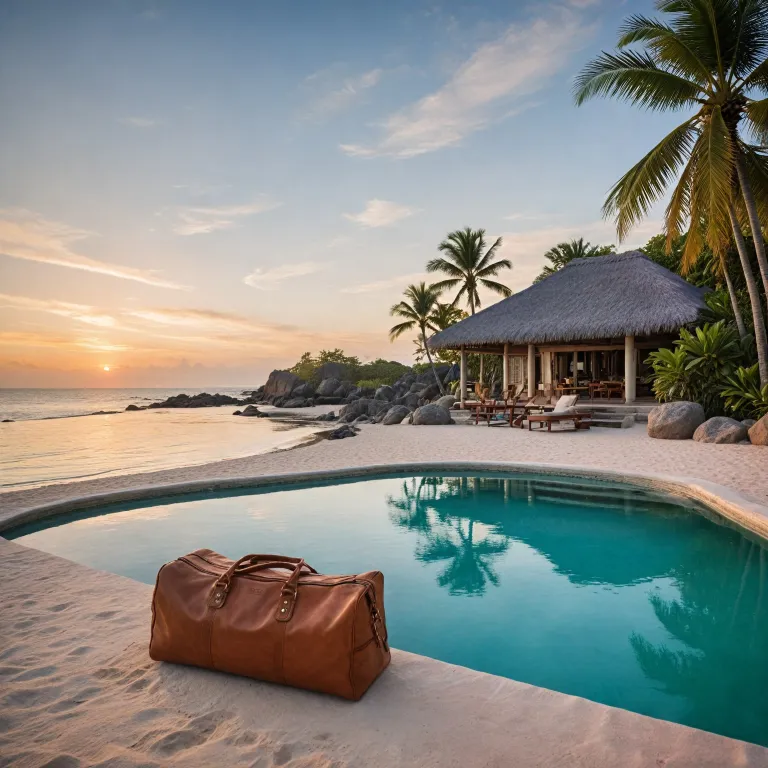
Where luxury meets the wild beaches of Madagascar
The beaches of Madagascar offer a rare mix of raw nature and discreet elegance. Along the island coast, luxury and premium hotels frame each beach with refined comfort while keeping the view wide open to the Indian Ocean. For travelers planning a trip who value privacy and space, this balance between natural beauty and curated service feels genuinely exclusive.
High end properties on the best beaches tend to sit on long crescents of sand rather than crowded strips. This gives each beach and its warm waters a calm atmosphere where you can plan an itinerary that blends rest, soft adventure, and cultural encounters. When you travel to Madagascar beaches, you quickly see how local life, conservation projects, and upscale hospitality can share the same coast without clashing.
On the west coast and in northern Madagascar, premium resorts often work closely with nearby villages. Many hotels support marine conservation and community initiatives, especially around areas such as the Velondriake locally managed marine area near Anakao on the southwest coast Madagascar. This approach helps protect the beaches of Madagascar while giving guests a more meaningful experience of local culture and the island environment.
Nosy islands, northern beaches, and refined coastal stays
For many travelers, the beaches of Madagascar become truly memorable around the scattered nosy islands in the north. Nosy Komba and Nosy Iranja stand out among the best beaches for those seeking intimate, premium hotels with direct beach access and clear waters. Each island offers a different experience, from quiet coves to long sandbanks that appear and vanish with the tide.
On Nosy Komba, you can stay in elegant lodges that overlook a sheltered beach while still being close to local life in small fishing villages. The northern beaches around Nosy Be and nearby islets are ideal for a trip that combines relaxation, whale watching in season, and gentle adventure such as snorkeling or sailing. Many travelers build an itinerary that links Nosy Komba, Nosy Iranja, and the northern beaches of the main island to enjoy varied views and activities.
Further east, the island of Sainte Marie, also known as Île Sainte Marie, offers a different coastal mood. Here, the beaches of Madagascar feel more nostalgic, with coconut groves, traditional pirogues, and calm lagoons that suit couples and families seeking a slower pace. Whether you write your trip Madagascar plan around Nosy islands or Sainte Marie, you will find premium hotels that respect the coast and highlight the natural beauty of northern Madagascar.
Île Sainte Marie and east coast charm for premium escapes
Île Sainte Marie, often simply called Sainte Marie, is one of the most atmospheric beaches Madagascar destinations for refined yet understated stays. The island stretches along the east coast Madagascar, with quiet coves, coral reefs, and warm waters that invite long swims. Many premium hotels here are set in lush gardens that open directly onto a beach, creating a sense of privacy without isolating guests from local culture.
Travelers often choose Sainte Marie for a trip focused on rest, gentle exploration, and whale watching during the migration season. The beaches of Madagascar in this area are framed by palm trees and small villages, so you can walk from your hotel to see local life unfolding along the shore. This makes it easy to combine a luxury stay with authentic encounters, from market visits to guided outings with community based operators.
When planning an itinerary that includes Île Sainte Marie, consider pairing it with other east coast or northern beaches for contrast. A few days on the island followed by time on Nosy Komba or Nosy Iranja offers two distinct views of Madagascar beaches and their surrounding waters. In both singular and plural, these beaches of Madagascar show how the island can host premium travel experiences while keeping its coastline relaxed and unspoiled.
Diego Suarez, Ramena, and the wild north coast of Madagascar
The far north of Madagascar, around Diego Suarez and the bay of Antsiranana, offers some of the most dramatic beaches of Madagascar for travelers who enjoy scenery as much as comfort. The small seaside village of Ramena, often referred to as Suarez Ramena, sits on a gentle curve of sand facing turquoise waters. Here, premium guesthouses and hotels provide easy access to both the beach and the region’s famous natural beauty.
From Diego Suarez, you can reach northern beaches that feel almost untouched, with dunes, limestone formations, and views across the bay. Many visitors combine time on the beach with excursions to a nearby national park, such as Amber Mountain or Ankarana, to add a sense of adventure to their trip Madagascar. This mix of coast and inland landscapes makes northern Madagascar a strong candidate for travelers seeking a varied itinerary.
Luxury and premium properties in this region often arrange guided outings that highlight both the coast Madagascar and its hinterland. You might spend the morning on the beach, then head inland to hike, watch wildlife, or visit caves before returning to a sunset view over the waters. In this way, the beaches of Madagascar in the north become part of a broader travel experience that balances comfort, exploration, and contact with local communities.
Southwest lagoons, Velondriake, and responsible luxury on the coast
The southwest coast Madagascar offers a different face of the beaches of Madagascar, with long sandbars, shallow lagoons, and the strong maritime culture of the Vezo people. Around Anakao and the Velondriake marine area, the beach stretches for kilometres, bordered by warm waters rich in marine life. Here, a few carefully placed premium lodges allow guests to enjoy the coast while supporting conservation and community projects.
Velondriake is a locally managed marine area in southwest Madagascar, established to protect marine biodiversity and support sustainable livelihoods. The Velondriake LMMA is co-managed by the community-based Velondriake Association and the conservation organization Blue Ventures. The main strategies include community-based management, periodic fisheries closures, and the establishment of permanent reserves.
For travelers, this means that a stay on these beaches Madagascar can directly contribute to sustainable fishing, coral reef protection, and environmental education. Many hotels collaborate with the Vezo community and conservation partners to offer guided snorkeling, village visits, and educational outings that enrich your trip. When you choose a property that supports Velondriake, you help ensure that the beaches of Madagascar and their waters remain healthy for both local residents and future visitors.
Designing a luxury itinerary along the beaches of Madagascar
Planning a premium trip along the beaches of Madagascar requires careful attention to distances, seasons, and connections between regions. The island is large, and moving between the west coast, northern beaches, and Île Sainte Marie can take time, so a realistic itinerary is essential. Many travelers focus on one or two coastal zones, then add a national park visit inland to balance beach time with nature based adventure.
For example, you might start on Nosy Be and nearby Nosy Komba, continue to Nosy Iranja for its sandbank beach, then fly to Diego Suarez for the views of the bay and Suarez Ramena. Another elegant option is to combine Île Sainte Marie with a stay on the southwest coast Madagascar near Anakao and Velondriake, linking whale watching and lagoon swims with encounters with the Vezo community. To refine a high end route, resources such as planning an exceptional stay on Nosy Be island for luxury minded travelers can help you understand how different beaches and hotels fit together.
Throughout your planning, consider how each beach, hotel, and activity contributes to your overall experience of Madagascar beaches. Look for properties that highlight local life, protect the coast, and offer clear information about the surrounding waters and environment. When chosen thoughtfully, the beaches of Madagascar and their best hotels can deliver a trip Madagascar that feels both indulgent and responsible, with every view and encounter adding depth to your travel story.
Key figures about marine conservation and coastal areas in Madagascar
- The Velondriake locally managed marine area covers approximately 64 000 hectares of coastal and marine habitats in southwest Madagascar.
- Community based management and periodic fisheries closures in Velondriake have been associated with increased community involvement in marine conservation.
- Growing interest in eco tourism within the Velondriake region supports both sustainable travel and improved livelihoods for local fishing communities.
Essential questions about the beaches of Madagascar and coastal stays
What is the Velondriake LMMA and why does it matter for travelers ?
The Velondriake LMMA is a community led marine area in southwest Madagascar that protects coral reefs, mangroves, and fisheries while supporting local livelihoods. For travelers staying on nearby beaches, this means healthier reefs, clearer waters, and more responsible marine excursions. Choosing hotels that partner with Velondriake helps ensure that your stay contributes to long term coastal conservation.
How can visitors respect local customs and support sustainable tourism on the coast ?
Visitors can respect local customs by dressing modestly in villages, asking before taking photos, and following guidance from local hosts. Supporting community led eco tourism initiatives, such as guided village walks or marine outings run with local associations, channels income directly to residents. It is also important to follow sustainable tourism guidelines, including not touching corals, avoiding single use plastics, and choosing operators who respect marine regulations.
What role do organizations like Blue Ventures play along the beaches of Madagascar ?
Organizations such as Blue Ventures work with communities like the Vezo to design and manage marine protected areas, including Velondriake. Their role includes scientific research, training, and support for sustainable fishing and eco tourism initiatives that benefit both people and ecosystems. When travelers choose experiences linked to these partnerships, they help reinforce a model where luxury travel and conservation can coexist along the coast Madagascar.