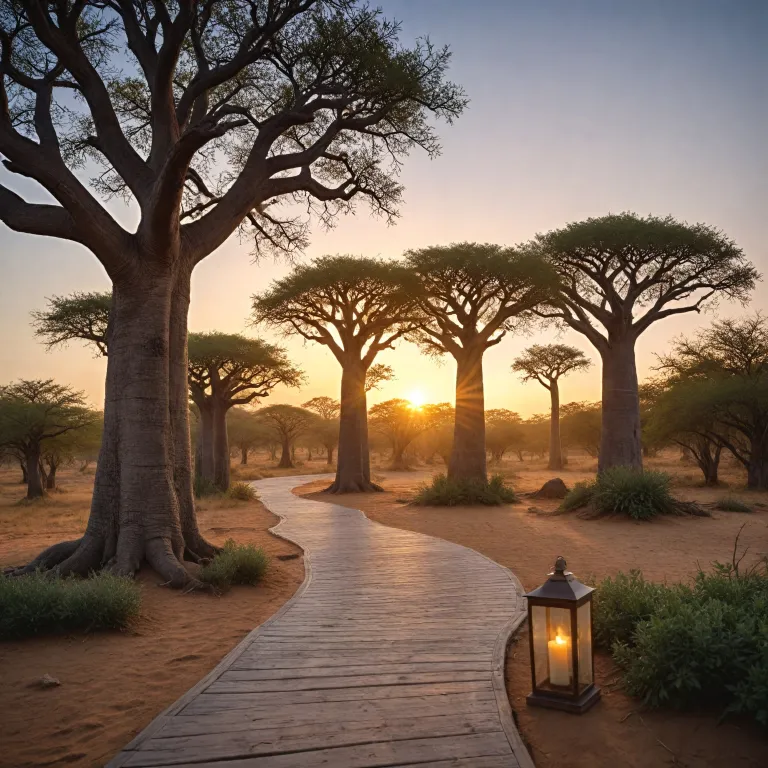
Baobab landscapes in Madagascar for luxury minded travelers
Baobab trees in Madagascar shape some of the island’s most dramatic horizons. Their monumental trunks and sculptural crowns create a natural backdrop that feels almost architectural, which appeals strongly to guests seeking refined hotels with a sense of place. For travelers planning premium stays, understanding how these trees and their ecosystems intersect with hospitality elevates every itinerary.
Madagascar hosts six baobab species within the wider genus Adansonia, including the emblematic Adansonia grandidieri that dominates the Avenue of the Baobabs near Morondava. These trees belong to the broader group of African baobab relatives spread across mainland Africa and southern Africa, yet the baobabs Madagascar shelters are uniquely adapted to local conditions. Their massive trunks store water through the long dry season, allowing each baobab tree to survive where many other plants would fail.
In this context, luxury hotels increasingly integrate baobab conservation efforts into their guest experiences. High end properties near trees Madagascar travelers come to admire often support research on Adansonia species and habitat restoration. When you book a premium room with sunset views over baobabs, you are frequently contributing indirectly to conservation and to the livelihoods of local communities.
For discerning visitors, the ecological story behind every baobab tree enriches the stay as much as any spa or infinity pool. The largest trunks, sometimes compared to stone towers, host flowers, leaves, and fruit that sustain wildlife and people alike. Understanding this delicate balance helps travelers choose hotels and travel partners that respect both the African landscape and the long term survival of these remarkable trees.
Designing a luxury itinerary around baobab trees in Madagascar
Planning a high end journey around baobab trees in Madagascar starts with geography. Most travelers focus on the Avenue of the Baobabs near Morondava in the Menabe region, where rows of Adansonia grandidieri line a red earth track. From a premium hotel base in or around Morondava, guests can time their travel to enjoy both sunrise and sunset, when the light sculpts every tree into a silhouette worthy of fine art photography.
Luxury and premium hotel booking in Madagascar increasingly combines baobab viewing with curated adventure packages for discerning travelers. Many itineraries pair the avenue with inland forests that host other baobab species, including the striking Adansonia rubrostipa and the rarer Adansonia perrieri. These adansonia species often grow alongside other dry forest plants, giving guests a fuller understanding of how trees, shrubs, and wildlife interact in this fragile African ecosystem.
For travelers who value comfort, private transfers and expert guiding are essential components of any baobab focused travel plan. Some operators now design multi day routes that link the west coast baobabs Madagascar is famous for with southern Africa destinations, including South Africa, where the African baobab Adansonia digitata dominates the savannah. This creates a comparative journey across the genus Adansonia, allowing guests to appreciate how each baobab species responds differently to climate, soil, and the length of the dry season.
When selecting hotels online, look for properties that clearly explain how they manage access to nearby trees Madagascar visitors wish to photograph. Responsible operators limit vehicle pressure around sensitive roots, schedule low impact walks, and coordinate with local communities to ensure that both single baobab tree specimens and larger groves remain healthy for future guests.
Baobab biology, fruit, and refined culinary experiences
Understanding the biology of baobab trees in Madagascar adds depth to any luxury stay. Each baobab tree belongs to the wider group of African trees in the genus Adansonia, yet the Malagasy species have evolved in relative isolation. Their swollen trunks store water, their roots stabilize dry soils, and their canopies host flowers that open mainly at night, attracting pollinators such as bats and nocturnal insects.
The fruit of baobabs plays a central role in both local diets and upscale gastronomy. Inside the hard shell, the fruit pulp dries naturally into tangy segments that can be ground into fine baobab powder. Chefs in premium hotels increasingly use this powder and the fresh fruit pulp to create sorbets, sauces, and cocktails that connect guests directly to the surrounding trees Madagascar is known for.
Adansonia digitata, the classic African baobab found widely in south and southern Africa, has long been valued for its nutrient rich fruit and leaves. In Madagascar, related baobab species provide similar benefits, and some luxury properties now highlight tasting menus that compare flavors from different adansonia species. Guests may sample salads featuring young leaves, desserts scented with baobab powder, and infusions that showcase the aromatic flowers and fruit in refined combinations.
For travelers researching where to stay, it is worth reading hotel descriptions as carefully as any read article on conservation or gastronomy. Properties that emphasize local ingredients, respectful harvesting, and partnerships with nearby farmers usually contribute more meaningfully to conservation efforts. By choosing such hotels, guests support both the protection of baobabs Madagascar shelters and the culinary creativity that transforms a simple fruit into a signature element of luxury travel.
Conservation, local communities, and responsible luxury stays
Baobab trees in Madagascar face mounting pressure from deforestation, climate change, and land conversion. Environmental organizations note that “Baobabs are vital for biodiversity, cultural heritage, and provide resources like food and medicine.” For travelers booking premium hotels, understanding these challenges is essential to making responsible choices that align comfort with conservation.
Many conservation efforts focus on protecting habitats where multiple baobab species coexist with other plants and wildlife. Projects near the Avenue of the Baobabs and in northern forests aim to safeguard Adansonia grandidieri, Adansonia perrieri, and Adansonia suarezensis, while also supporting local communities who depend on baobab fruit, leaves, and timber alternatives. Hotels that collaborate with these initiatives often contribute funds, share satellite imagery data, or host educational talks for guests during the dry season.
Some of the most forward thinking luxury properties integrate conservation directly into their guest experience. They may organize guided walks that explain how each baobab tree stores water, how flowers support pollinators, and why the largest trunks are particularly vulnerable to fire and unsustainable harvesting. Guests can learn how fruit pulp collection, leaf gathering, and limited bark use can be managed sustainably, ensuring that baobabs Madagascar protects remain productive for generations.
Travelers can also consult specialized resources on personalized services in luxury and premium hotel booking websites in Madagascar, such as this in depth guide to tailored stays. By aligning hotel choices with verified conservation efforts, guests help ensure that trees Madagascar counts among its natural icons continue to thrive. Responsible travel transforms every stay into a partnership between visitors, hoteliers, and the communities that live alongside these remarkable trees.
Choosing luxury hotels near baobab hotspots in Madagascar
Selecting the right luxury hotel near baobab trees in Madagascar requires more than scanning photos. Travelers should evaluate how each property manages access to nearby trees, supports conservation efforts, and collaborates with local communities. A premium stay becomes far more meaningful when the hotel’s operations respect both the African landscape and the delicate ecology of each baobab tree.
In the Morondava area, many high end properties offer excursions to the Avenue of the Baobabs timed for the golden light of sunrise or sunset. Guests can admire Adansonia grandidieri, often considered the largest and most iconic of the baobabs Madagascar shelters, while guides explain the differences between this species and other adansonia species. Some itineraries also include visits to lesser known groves where trees Madagascar protects grow alongside other dry forest plants, giving a broader view of the ecosystem.
When comparing hotels online, look for clear information about environmental policies and community partnerships. Properties that limit vehicle numbers near sensitive roots, train guides in plant identification, and contribute to seed bank projects demonstrate a genuine commitment to conservation efforts. These hotels often provide detailed briefings on how fruit, leaves, and flowers are used locally, and how sustainable harvesting of fruit pulp and baobab powder can support livelihoods without damaging the trees.
Travelers seeking more adventurous routes can combine west coast baobab landscapes with inland reserves or even regional extensions to South Africa and other parts of southern Africa. In these itineraries, the African baobab Adansonia digitata provides a useful contrast to the baobab adansonia species found only in Madagascar. Such comparative journeys deepen understanding of how climate, soil, and the length of the dry season shape the growth, size, and resilience of each tree.
Integrating baobab themed experiences into premium travel planning
For many guests, the highlight of seeing baobab trees in Madagascar is the emotional impact of standing beneath their towering trunks. Luxury travel planners can enhance this moment by weaving baobab themed experiences throughout the itinerary, from guided walks to spa treatments and culinary events. This approach transforms the baobab tree from a simple sightseeing stop into a central narrative thread for the entire journey.
Some high end properties now offer wellness rituals inspired by the resilience of baobabs and other African trees. Treatments may incorporate oils derived from baobab seeds, scrubs scented with dried leaves, or masks enriched with locally sourced baobab powder. Guests can learn how the genus Adansonia has adapted to dry conditions, and how the same fruit and leaves that sustain local communities can also support modern wellness practices when harvested responsibly.
Travel designers can also integrate educational elements that appeal to curious travelers. Short talks on baobab species, including Adansonia grandidieri, Adansonia rubrostipa, and Adansonia digitata, help guests understand why some trees reach the largest girths while others remain slender. These sessions may reference regional contrasts between baobabs Madagascar protects and those in South Africa or other parts of southern Africa, highlighting how different adansonia species respond to varying rainfall patterns and dry season lengths.
For travelers seeking structured inspiration, specialized content on adventure packages for discerning travelers, such as this detailed overview of curated journeys, can be particularly useful. By combining expert guidance, responsible hotel choices, and immersive experiences centered on trees Madagascar is famous for, guests create itineraries that honor both the natural heritage of baobabs and the refined comforts of modern luxury travel.
Key statistics and essential questions for baobab focused stays
Several quantitative indicators help travelers appreciate the stakes involved in protecting baobab trees in Madagascar. The island hosts six recognized baobab species, underscoring its global importance for the genus Adansonia and for African trees more broadly. At the same time, forest loss measured in tens of thousands of hectares each year places increasing pressure on habitats where baobabs, companion plants, and wildlife coexist.
- Number of baobab species in Madagascar : 6 species
- Estimated population of Adansonia perrieri : 200 individuals
- Forest loss in Madagascar (2023) : 80000 hectares
These figures highlight why conservation efforts, community engagement, and responsible hotel development are so critical. Travelers who choose properties that support habitat protection, sustainable use of fruit and leaves, and research on adansonia species directly contribute to reversing negative trends. In this way, every premium stay near trees Madagascar treasures becomes part of a broader strategy to secure the future of baobabs for both local communities and international visitors.
Why are baobab trees important to Madagascar ? Baobabs are vital for biodiversity, cultural heritage, and provide resources like food and medicine. What threats do baobab trees face in Madagascar ? They face threats from deforestation, climate change, and habitat fragmentation. How can tourists help in baobab conservation ? By supporting eco friendly tourism and local conservation initiatives. These concise answers provide a practical framework for travelers who wish to align luxury and premium hotel booking with meaningful environmental impact.