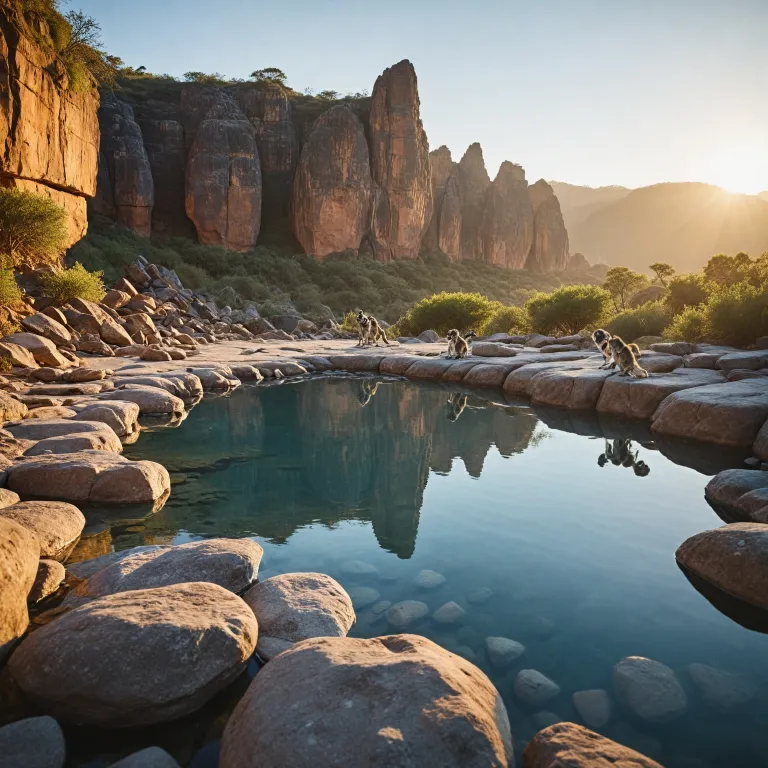
Isalo park Madagascar as a backdrop for refined journeys
Isalo park Madagascar offers a rare blend of wilderness and comfort that appeals to discerning travelers. The national park stretches across 815.4 km² of eroded sandstone, canyons, and dry grasslands that frame every premium stay with cinematic views. For people planning a high end escape on this island, the contrast between raw nature and polished service can be the highlight of their journey.
Isalo National Park lies near the small town Ranohira in the Ihorombe region, and this place has become a strategic base for luxury and premium hotel experiences. Many travelers arrive from the coast or from other national parks in Madagascar, combining Isalo with Ranomafana National Park or Masoala for a multi day itinerary. This network of protected areas allows guests to compare different ecosystems, from humid rainforest full of lemur species to the dry canyons and sandstone cliffs that define Isalo National.
The governing body Madagascar National Parks Association (PNM-ANGAP) oversees conservation, while tourism operators focus on comfort, privacy, and curated hiking experiences. High end properties around Ranohira work closely with certified guide teams to design private hike routes that match fitness levels and interests. Guests can spend the day exploring canyons and piscine naturelle with a private guide, then return to a chilled drink, fine linens, and attentive staff who understand the expectations of international luxury travelers.
Designing a luxury base near Ranohira for Isalo explorations
Choosing the right hotel near Isalo park Madagascar is essential for travelers who value both comfort and authenticity. The town Ranohira functions as the main gateway to the national park, and its best properties understand that guests want seamless logistics for every hike and day excursion. Many premium hotels offer early breakfast, packed gourmet lunches, and flexible dinner times to match sunrise or sunset hiking schedules inside the park.
Because Isalo is a dry region with strong sun, refined hotels increasingly integrate wellness features that support active days outdoors. Thoughtful amenities such as shaded pools, spa treatments, and hydrating menus help people recover after long walks through canyons and sandstone plateaus. When comparing options, look for properties that provide direct access to experienced guide services, as hiring a local guide is required for visitors entering the park, and guides can be hired in Ranohira.
Travelers who are used to sophisticated European or Mediterranean stays, such as those highlighted in curated overviews of superior rooms that blend comfort and style, will find that the best hotels near Isalo translate similar standards into a Malagasy context. Rooms often frame views of the national park and its sandstone ridges, while interior design uses local stone and wood to echo the surrounding canyons. This careful balance between international expectations and local character turns each stay into a sophisticated base camp for exploring Isalo National and other Madagascar national parks.
Curated hiking, guides, and wildlife for high end guests
For luxury travelers, the essence of Isalo park Madagascar lies in tailored hiking experiences that reveal its most dramatic canyons and endemic species. The best time to visit is during the dry season, from May to November, when hiking conditions are optimal. During these months, a private guide can lead you along sandstone ridges at sunrise, through the cool shade of canyon des Makis, and finally to the emerald waters of piscine naturelle.
Isalo National Park is home to at least three lemur species, including ring tailed lemurs, red fronted lemurs, and the elegant Verreaux sifaka that often leap across sandstone outcrops. These lemur species share the park with 82 bird species, 33 reptile species, and 15 amphibian species, some of which are endemic species found only in Madagascar national parks. Among the most remarkable is Scaphiophryne gottlebei, a vividly patterned frog that inhabits narrow canyons, and the sculptural Pachypodium rosulatum, a succulent plant that dots the dry slopes.
High end hotels typically coordinate with the Madagascar National Parks Association and local guide cooperatives to ensure that every hike respects protected areas and the cultural presence of the Bara people. Guests can choose from gentle half day walks to piscine naturelle or more demanding full day hikes that cross multiple canyons and dry plateaus. Those planning a broader itinerary that includes other protected areas may appreciate insights from detailed features on luxury stays on Madagascar’s wild peninsula, which show how premium services can coexist with strict conservation goals.
Cultural encounters and the role of the Bara people in Isalo
Any sophisticated exploration of Isalo park Madagascar should acknowledge the deep connection between the landscape and the Bara people. This community has long inhabited the region around the national park, and their traditions, cattle herding practices, and sacred sites shape how certain canyons and sandstone formations are used and respected. Luxury and premium hotels that operate near town Ranohira increasingly integrate cultural briefings so guests understand the human dimension of this protected area.
When a guide leads you through canyon des Makis or along a dry riverbed, they may point out Bara tombs carved into sandstone cliffs, which are important cultural landmarks. Respectful behavior in these places is essential, and high end operators train their guide teams to explain local customs clearly to international people. This approach aligns with broader efforts by Madagascar National Parks Association to involve local communities in park management and to ensure that tourism revenue supports education, conservation, and livelihoods.
Some itineraries combine Isalo National Park with Ranomafana National Park, allowing travelers to contrast the Bara people’s dry plateau environment with the humid forests further east. In both parks, the presence of ring tailed lemurs, red fronted lemurs, and other lemur species is closely tied to community based conservation. For travelers planning refined multi park journeys and tailored holiday packages, in depth resources on Madagascar holiday packages for refined stays and immersive journeys can help align cultural sensitivity with premium comfort.
Planning logistics, seasons, and safety for premium Isalo stays
Thoughtful planning is crucial for people who want to experience Isalo park Madagascar in comfort while respecting its fragile ecosystems. The climate is predominantly dry, with an average annual temperature of about 21.8 °C and rainfall around 791 mm, which shapes both hiking conditions and hotel operations. The best time for a multi day stay is the dry season, when trails are more stable, canyons are safer to access, and sunrise or sunset hikes offer clear views over the sandstone massifs.
Because Isalo National Park is remote, premium hotels around Ranohira often act as full service hubs, arranging transfers, park permits, and private guide services. Many properties coordinate early departures so guests can reach key viewpoints before other people, then return to shaded terraces and refined dining after a long hike. Safety briefings typically cover hydration, sun protection, and respectful distances from lemur species and other wildlife, which is essential in protected areas where endemic species can be sensitive to disturbance.
Visitor numbers have grown steadily, with tens of thousands of people entering the park each year, so choosing a hotel that limits group sizes and staggers departure times can significantly enhance the feeling of exclusivity. Some operators also offer tailored itineraries that link Isalo National with other Madagascar national parks, balancing dry canyon landscapes with rainforest experiences. By aligning your travel dates with the best time for hiking and wildlife viewing, you ensure that every day in Isalo National Park feels both comfortable and deeply rewarding.
How luxury booking platforms can elevate Isalo park experiences
For travelers focused on luxury and premium stays, the main challenge with Isalo park Madagascar is not the lack of quality properties but the absence of a clearly defined high end category on many booking platforms. This gap can make it difficult for people to distinguish between simple guesthouses in town Ranohira and refined lodges that offer curated access to the national park. A more nuanced classification would highlight hotels that provide private guide coordination, fine dining, and wellness facilities tailored to guests who spend each day hiking through canyons and dry plateaus.
Specialized platforms could, for example, tag properties that maintain formal partnerships with Madagascar National Parks Association and local guide cooperatives. These hotels often invest in training staff about endemic species, lemur species, and sensitive habitats such as canyon des Makis or the pools around piscine naturelle. They may also support research on rare amphibians like Scaphiophryne gottlebei or on iconic plants such as Pachypodium rosulatum, reinforcing their role as stewards of protected areas rather than simple accommodation providers.
By integrating filters for proximity to Isalo National Park, availability of private hikes, and cultural programs involving the Bara people, booking sites would help travelers align expectations with reality. Clearer information about access to other Madagascar national parks, including Ranomafana National Park, would also support multi day itineraries across the island. Ultimately, a more refined digital presentation of Isalo park Madagascar will benefit guests, conservation partners, and the communities who share this extraordinary sandstone landscape.
Key figures for Isalo National Park and its wildlife
- Park area : 815.4 km² of protected sandstone massifs, canyons, and dry grasslands.
- Elevation range : approximately 758 meters between the lowest and highest points.
- Annual visitors : 32,714 people recorded in the most recent referenced count.
- Average annual temperature : around 21.8 °C across the park.
- Average annual rainfall : about 791 mm, contributing to seasonal pools and streams.
- Birdlife : 82 recorded bird species within Isalo National Park.
- Herpetofauna : 33 reptile species and 15 amphibian species, including Scaphiophryne gottlebei.
- Mammals : 14 mammal species, with at least 3 lemur species such as ring tailed lemurs, red fronted lemurs, and Verreaux sifaka.
Essential questions about visiting Isalo park Madagascar
What is the best time to visit Isalo National Park ?
The best time to visit is during the dry season, from May to November, when hiking conditions are optimal. During these months, trails are generally more accessible, river levels are lower, and viewpoints over the sandstone canyons are often clearer. Luxury and premium hotels also tend to align their peak services with this period, offering more guide availability and tailored day excursions.
Are there guided tours available in Isalo National Park ?
Yes, hiring a local guide is required for visitors entering the park, and guides can be hired in Ranohira. Many high end hotels maintain close relationships with experienced guide teams who specialize in private hikes for small groups or couples. This arrangement ensures that guests receive detailed explanations about endemic species, lemur species, and the cultural heritage of the Bara people while exploring canyons, piscine naturelle, and other highlights.
What unique wildlife can be seen in Isalo National Park ?
Visitors can see species such as the ring-tailed lemur, red-fronted lemur, and Verreaux's sifaka, among others. These lemur species share the park with a rich community of birds, reptiles, and amphibians, including the striking Scaphiophryne gottlebei in narrow canyons. Observing this wildlife in its natural habitat, against a backdrop of sandstone cliffs and dry savanna, is one of the defining experiences of Isalo park Madagascar for nature focused luxury travelers.