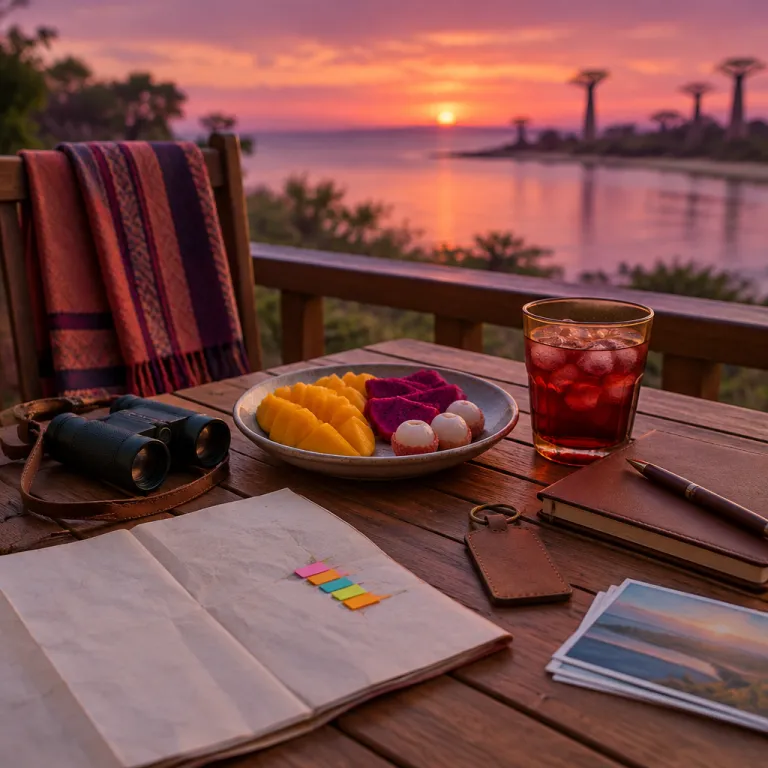
The case for madagascar long stay slow travel over the grand tour
Madagascar rewards travelers who slow their pace and stay longer in one region. A madagascar long stay slow travel approach gives you time to feel the island’s rhythms rather than chase a checklist across thousands of kilometres. When you design a madagascar itinerary around depth instead of distance, every day gains texture and meaning.
The classic trip Madagascar pattern tries to cross the island in twelve days, racing from Antananarivo to several national parks and then to the coast. That style of madagascar travel burns days in transfers, with long drives eating daylight and leaving you too tired for a night walk or dawn wildlife tours. A madagascar long stay slow travel journey instead concentrates your travel itinerary in a single corridor, where you can repeat the best experiences under different light, weather and forest moods.
Think about your own time and energy as the rarest luxury on any trip. When you move every day or two, you spend more time packing, checking in and adjusting than actually walking among lemurs or talking with local guides. By choosing one region for at least two weeks, you reclaim those lost days Madagascar and turn them into full day explorations, unhurried meals and quiet walks that reveal the island’s wildlife culture.
Travel experts who specialise in itinerary Madagascar planning for couples now see a clear shift toward longer premium bookings. Industry analyses from ForwardKeys and Amadeus in 2023 indicate a global rise in extended stays, especially in mid range and luxury properties that can support work and leisure over three nights or more; Madagascar follows this broader pattern even if detailed country level figures remain limited. That trend aligns with madagascar long stay slow travel, where the best journeys balance comfort, connection and a sustainable pace Madagascar.
On mymadagascarstay.com, we curate hotels that understand this slower rhythm and design services around it. You will find properties that offer weekly or monthly structures, flexible transfers and guides who can shape a nuanced madagascar itinerary rather than a rushed checklist. This is not about seeing fewer landscapes; it is about giving each forest, canal or highland town enough days to become part of your story.
How constant transfers steal your days in Madagascar
Every time you change regions in Madagascar, you lose a day to logistics. The island’s road network, while improving, still means that a single transfer between Antananarivo and a national park such as Andasibe can take most of the day. Multiply that by three or four legs and your trip Madagascar quietly sacrifices several full day opportunities to long drives and airport waits.
Many first time visitors arrive in Antananarivo with an ambitious madagascar travel wish list that spans rainforests, baobab avenues and coral reefs. They imagine a grand tour where each day brings a new landscape, yet the reality is a journey dominated by early departures, late arrivals and little time for a relaxed walk. Wildlife tours at dawn or a night walk in the forest become harder when you are jet lagged, road weary and checking in to a new hotel every two or three nights.
There is also a hidden emotional cost to this constant motion across days Madagascar. You barely learn the names of the local team at one lodge before you are back in a vehicle, heading to the next stop on your travel itinerary. In contrast, a madagascar long stay slow travel plan in a single region allows you to build rapport with guides, drivers and hosts, which deepens your understanding of wildlife culture and daily life.
Consider the highlands around Antananarivo, where staying put reveals layers that a quick overnight would miss. Spend three nights during the jacaranda season and you will see how the city’s avenues shift from early morning market bustle to purple twilight calm, a rhythm captured in this detailed guide to Antananarivo when the jacaranda trees turn the highlands violet. That kind of nuanced experience only emerges when your pace Madagascar slows enough for repeated walks through the same streets at different times of day.
From a financial perspective, every extra regional hop adds transfer costs that rarely enhance your experience. Private 4x4 services, domestic flights and boat crossings can quickly exceed the price difference between mid range and premium rooms in a single, well chosen base. By trimming one or two long transfers from your itinerary Madagascar, you can upgrade your hotel category or extend your stay by several days without increasing the overall budget.
What a two week stay in one region really unlocks
Two weeks in a single region of Madagascar may sound indulgent, yet it is precisely the duration that unlocks the island’s subtler charms. A madagascar long stay slow travel plan gives you enough days to repeat the best outings, rest properly and still leave room for spontaneous experiences. Instead of rushing from one national park to another, you can explore a single forest corridor in changing light, weather and mood.
Take the Andasibe area as a model for this kind of journey, where a carefully crafted madagascar itinerary might include multiple visits to the same national park. On your first full day, you walk the main trails with a guide who introduces the famous indri lemurs and several other lemur species, along with chameleons and orchids. On the second or third day, you return for a quieter circuit, perhaps focusing on birdlife or a longer walk that reaches viewpoints over the surrounding landscapes.
Staying for at least three nights near Andasibe also allows you to experience the forest at night, when a guided night walk reveals mouse lemurs, sleeping chameleons and the eerie calls of nocturnal birds. With a madagascar long stay slow travel rhythm, you can choose which days Madagascar feel best for late outings and which evenings you prefer to linger over dinner at your lodge. That flexibility is impossible on a compressed trip Madagascar, where every hour is scheduled and there is little time to adjust for weather or fatigue.
Couples who work remotely often use this extended time to blend work and travel in a way that feels sustainable. Many mid range and premium lodges now offer reliable enough connectivity for emails and calls, though you should always confirm bandwidth and backup options before you start planning. Once you know which hours of the day you must be online, you can shape your travel itinerary around early morning wildlife tours, long lunches and late afternoon walks.
Longer stays also deepen your connection with local hosts, who begin to share more personal stories, recipes and recommendations. Some properties curate cellar experiences around regional traditions, such as the growing trend of rhum arrangé collections in Madagascar’s lodges, which you appreciate more when you have time to taste across several days. These slow rituals become as memorable as any wildlife encounter, anchoring your journey in the island’s everyday culture rather than only its national parks.
Choosing your base: rainforest, highlands or island lagoon
Madagascar offers three main archetypes for a two week single region stay, each with its own pace and palette. You can anchor your madagascar long stay slow travel around a rainforest corridor, a highland city such as Antananarivo or an island lagoon along the east coast. The best choice depends on whether you prioritise wildlife, culture or sea breezes, though each region offers a blend of all three.
A rainforest base near Andasibe suits travelers whose primary goal is wildlife and forest immersion. Here, your madagascar travel days revolve around early morning walks in the national park, afternoon visits to nearby reserves and occasional night walks to see nocturnal lemur species. Over time, you begin to recognise individual indri lemurs by their calls, and the forest itself becomes a familiar companion rather than a backdrop for a single rushed tour.
Highland stays around Antananarivo appeal to couples who enjoy markets, architecture and a slower urban rhythm. A thoughtful itinerary Madagascar in the capital might include guided walks through historic neighbourhoods, day trips to surrounding rice terraces and time in galleries that showcase contemporary Malagasy art. With a madagascar long stay slow travel mindset, you can return to favourite cafés, adjust your travel itinerary for changing weather and still reserve a full day for a countryside escape.
For those drawn to water, the east coast offers a compelling combination of canal, forest and lagoon. A base along the Pangalanes Canal or near the Palmarium Reserve allows you to structure days Madagascar around boat journeys, lakeside walks and encounters with semi habituated lemurs in carefully managed settings. When you stay put for three nights or more, you can experience the canal at different times of day, from misty dawn crossings to sunset returns that frame the landscapes in soft gold.
Island oriented travelers may also consider a refined base on Sainte Marie, where a detailed travel guide for extended stays on a tropical island can help you start planning. Here, a madagascar itinerary might weave together reef snorkelling, village walks and long afternoons under palm shade, all at a pace Madagascar that encourages you to linger. Whether you choose forest, highlands or lagoon, the key is to let one region hold your journey rather than scattering your days across the map.
Making the numbers work: extended stay value in premium hotels
From a financial standpoint, madagascar long stay slow travel often delivers better value than a fast moving grand tour. When you reduce the number of regional transfers in your trip Madagascar, you cut significant costs in private vehicles, domestic flights and boat charters. Those savings can be redirected into higher room categories, private wildlife tours or simply more days Madagascar in a place you love.
Many mid range and luxury properties in Madagascar quietly offer more favourable nightly rates for longer stays, especially when you book three nights or more. While these are not always advertised as formal monthly packages, travel experts who know the market can often negotiate extended stay structures that reward a two week commitment. This is particularly true in regions such as Andasibe, the Pangalanes Canal and the highlands around Antananarivo, where occupancy patterns allow for flexible pricing outside peak holiday periods.
There is also a value in time that does not appear on any invoice. A madagascar itinerary that keeps you in one region reduces the friction of constant packing, unpacking and orientation, which can quietly erode your enjoyment. Instead of spending a full day in transit between national parks, you might invest that time in a longer forest walk, a cooking class with a local chef or a relaxed afternoon by the pool, all of which deepen your wildlife culture experience.
For remote workers or entrepreneurs, the calculation becomes even more compelling. If you can allocate part of each day to work, a madagascar long stay slow travel plan allows you to extend your journey without taking additional vacation days. The key is to choose properties with reliable connectivity, backup power and quiet work spaces, details that travel experts on mymadagascarstay.com evaluate carefully when recommending hotels.
Finally, there is an ethical dimension to staying longer in one place. When you spend more days Madagascar in a single community, your spending patterns support local employment more consistently, from guides and drivers to market vendors and artisans. That continuity aligns with a more sustainable pace Madagascar, where your journey leaves a deeper positive imprint on the people and landscapes that host you.
Designing a rich, never boring single region fortnight
Many travelers worry that two weeks in one region of Madagascar might feel repetitive, yet the opposite is usually true. A well designed madagascar long stay slow travel plan layers different types of days so that no two feel alike. The secret lies in alternating full day excursions with slower interludes, and in revisiting the same forest or canal under different conditions.
In Andasibe, for example, your madagascar itinerary might begin with a classic national park circuit focused on indri lemurs and other emblematic lemur species. The next day, you could shift to a gentler walk in a nearby private reserve, followed by a night walk that reveals the forest’s nocturnal side. Later in the fortnight, you return to the park with a specialist guide who focuses on birds or orchids, transforming familiar trails into a new experience.
Along the Pangalanes Canal, a similar rhythm emerges when you alternate boat based days with land based explorations. One day might be a full day journey along the canal, stopping at lakeside villages and ending near the Palmarium Reserve for close yet respectful encounters with lemurs. The following day, you stay closer to your lodge, taking a shorter walk through nearby forests, reading on the terrace and talking with local staff about their own relationship to the landscapes around them.
Highland based stays around Antananarivo benefit from this same thoughtful pacing. You might dedicate one day to a guided city walk, another to a countryside excursion and a third to unstructured time in cafés and markets, observing the city’s wildlife culture of daily life. Over days Madagascar, patterns emerge in the way people move, trade and gather, giving your journey a narrative that no quick stopover could match.
As you start planning, think in arcs rather than isolated activities, grouping experiences so that each builds on the last. A madagascar travel fortnight in one region can easily include wildlife tours, cultural encounters, rest days and even work sessions without ever feeling static. When your pace Madagascar slows to match the island’s own, you will find that time stretches, and the memories you carry home feel both richer and more coherent.
Key figures shaping madagascar long stay slow travel
- ForwardKeys and Amadeus analyses of global tourism in 2022–2023 show a clear rise in longer stays, with couples and families driving more premium bookings compared with previous periods; while Madagascar specific datasets are still emerging, on the ground booking patterns reflect this same shift toward extended regional stays.
- Road transfers between Antananarivo and Andasibe typically take around three to four hours for a one way journey in normal conditions, meaning that each additional regional move can consume most of a day that could otherwise be spent in the forest.
- Many mid range and luxury lodges in Madagascar offer more favourable nightly rates for stays of seven nights or longer, which can reduce the effective nightly cost compared with a series of shorter, multi region bookings, especially outside peak holiday periods.
- Madagascar hosts more than one hundred lemur species across its national parks and reserves; the IUCN SSC Primate Specialist Group currently recognises over 110 species and subspecies, and a single well chosen region such as Andasibe can reveal a significant proportion of these in depth over a two week stay.
- Over 80 percent of Madagascar’s wildlife is endemic to the island according to conservation organisations such as WWF and Conservation International, meaning that a madagascar long stay slow travel approach in one region still offers access to species and landscapes found nowhere else on Earth.
FAQ about long stay, slow travel in Madagascar
Is two weeks in one region of Madagascar really enough variety ?
Yes, two weeks in a single region can offer remarkable variety when you plan thoughtfully. By alternating full day excursions, shorter walks, night walks and rest days, you experience the same forests, canals or highland streets in many different moods. Repeating key sites such as a national park with different guides or at different times of day keeps your journey fresh and layered.
Which region is best for a first madagascar long stay slow travel trip ?
For a first visit, Andasibe and its surrounding forests make an excellent base because they combine accessible wildlife with relatively short transfers from Antananarivo. You can see indri lemurs, other lemur species and rich birdlife while staying in comfortable mid range or premium lodges. Travelers who prefer coastal settings might instead choose the Pangalanes Canal or Sainte Marie for a blend of water based and forest experiences.
How should I structure my madagascar itinerary if I work remotely ?
Remote workers should first confirm connectivity and power reliability with their chosen hotel, then block out fixed work hours each day. Plan wildlife tours and walks for early mornings or late afternoons, leaving the middle of the day for focused work in a quiet space. A madagascar long stay slow travel rhythm makes this balance easier because you are not constantly moving between regions.
Are long stays better for seeing wildlife in Madagascar’s national parks ?
Long stays significantly improve your chances of meaningful wildlife encounters because you can visit the same national park under different conditions. Animals such as lemurs and chameleons may be more active at certain times of day or in particular weather, which you can only appreciate over several days Madagascar. Extended time also allows you to book specialist guides who focus on birds, plants or specific lemur species.
When should I start planning a two week single region stay in Madagascar ?
It is wise to start planning at least several months before your intended travel dates, especially if you want specific mid range or luxury properties. Early planning gives travel experts more room to secure extended stay rates and the best guides for wildlife tours. This lead time is particularly important during popular seasons when Antananarivo, Andasibe and coastal regions see higher demand.
When is a multi region grand tour still the better choice ?
A faster moving itinerary can be preferable if you have a once in a lifetime trip Madagascar and a strong desire to sample several distinct regions, or if you are comfortable with long travel days and shorter hotel stays. In that case, working with specialists to limit the number of hops and build in at least a few two night stops will help you keep some of the benefits of slow travel while still covering more ground.