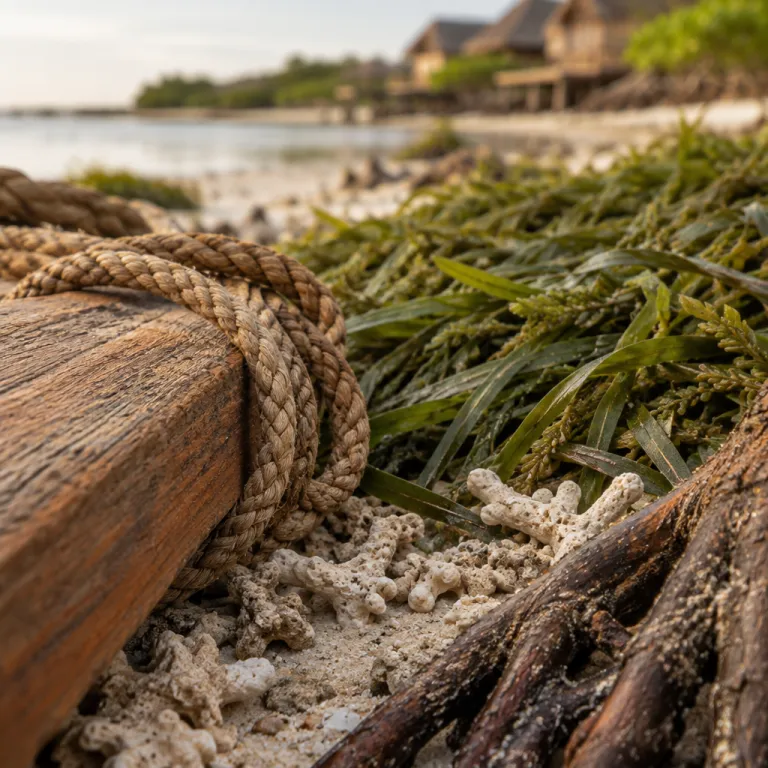
Why World Tourism Day belongs in Madagascar’s marine parks
World Tourism Day lands differently when you are floating above a reef where every coral head carries a price tag paid in quiet, invisible fees. In Madagascar, marine conservation tourism is no slogan ; it is the mechanism that keeps three emblematic marine parks — Nosy Hara, Sahamalaza Iles Radama and Nosy Tanihely — on the global map and, in one case, financially afloat through tourist fee revenue. For business leisure travelers used to polished lobbies and seamless airport transfers, the real luxury here is knowing that your park fee and your chosen accommodation can underwrite protection of habitats that exist nowhere else.
Nosy Tanihely is the clearest example of how madagascar marine conservation tourism can work when the numbers align and the governance holds. The park is fully self financed through tourist fees, making it the only protected area in Madagascar to reach that level of financial autonomy, and that single fact should shape how you plan your next stay on Nosy Be or Nosy Komba. When you book a premium lodge that transparently itemizes the marine park fee on your invoice and explains how that fee flows into management, you are not paying a surcharge ; you are buying a stake in a functioning conservation program that has already been recognised by the U.S based Marine Conservation Institute with a Blue Park Award.
Those Blue Park Awards, granted to Nosy Hara, Sahamalaza Iles Radama and Nosy Tanihely, are not marketing baubles for your social feed. They are signals that these marine areas meet rigorous criteria for biodiversity protection, management effectiveness and long term viability, which matters when you are choosing where to dive, where to anchor and where to spend your free time between meetings. For a traveler weighing two similar looking islands, the one inside a Blue Park, with a clear conservation programme and a transparent fee structure, is the one where your travel spend will do more than secure a sea view.
From sea views to sea change: how your hotel choices fund protection
Madagascar marine conservation tourism becomes tangible the moment you check into a lodge that treats the marine park as its front yard and its balance sheet partner. Around Nosy Be and Nosy Komba, many of the most refined properties now build the park fee into their nightly rate, then brief guests at check in on how that fee supports patrols, mooring maintenance and coral monitoring in nearby Blue Parks such as Nosy Tanihely. When you select a property from a curated list of Nosy Komba island stays with refined hotels, villas and lodges, you are also choosing how close you want to be to the front line of marine conservation.
On Nosy Komba itself, the rhythm of a business leisure stay can easily weave in conservation minded activities without sacrificing comfort. You might spend the day in meetings on a shaded deck, then take a late afternoon dive or snorkel excursion into the surrounding marine conservation zone, paying a modest park fee that directly supports management of nearby protected waters. Back at your accommodation, the local team will often arrange private briefings with guides who work inside the parks, helping you understand why Nosy Tanihely’s self funded model matters and how Nosy Hara’s vast 1 000 square kilometre expanse, including the island nation’s largest sea turtle nesting site, depends on consistent tourism revenue.
For executives used to line item scrutiny, the language of fees, programme costs and duration weeks of stays is familiar, and it translates neatly into this context. Ask your hotel to break down the conservation programme fee embedded in your marine excursions, and to clarify whether a separate registration fee or conservation levy goes to the park authority or to a private operator. When a property can answer those questions clearly, and can explain how its local équipe collaborates with park managers and resident communities, you are looking at a hotel that treats madagascar marine conservation tourism as a core part of its value proposition rather than a marketing flourish.
Co management with communities: the quiet architecture behind your stay
The most sophisticated form of madagascar marine conservation tourism is not the overwater villa ; it is the co management agreement that links a marine park, a local fishing community and the lodges that host you. In Nosy Hara and Sahamalaza Iles Radama, co management with resident communities underpins daily decisions about where boats can anchor, which reefs are open to dive activities and how tourism fee revenue is shared, even if the details remain largely invisible to guests sipping a sunset drink. When you choose an owner operated lodge that explains these arrangements, such as the kind of properties profiled in this analysis of Madagascar’s new owner operated lodges that feel nothing like a chain, you are buying into a governance model as much as a room category.
Co management matters because it aligns incentives between conservation and livelihoods, which is the only way marine conservation tourism in Madagascar can scale without eroding its own resource base. When resident fishers see that a well managed national park or marine reserve brings in guests who stay for several weeks, pay a fair fee and hire a local team for guiding and logistics, they have a direct interest in keeping coral gardens healthy and turtle nesting beaches undisturbed. Your hotel’s role is to make that link explicit, whether through evening talks with community representatives, transparent reporting on how much of your programme fee goes into local funds or curated visits that respect village rhythms rather than turning them into a backdrop.
For the business leisure traveler, this is where the ethics of madagascar marine conservation tourism intersect with the aesthetics of a high end stay. You might spend the day on a private boat skirting the mangrove rich shores of Sahamalaza Iles Radama, knowing that this park holds all of Madagascar’s known mangrove species, then return to a lodge that sources seafood from co managed zones and invests in training for conservation volunteers drawn from nearby villages. That alignment between your travel choices, the hotel’s operating model and the park’s long term health is the real definition of luxury in this context.
How to align your marine itinerary with real impact
Planning a madagascar marine conservation tourism itinerary around World Tourism Day means asking sharper questions before you book. Start by prioritising stays that position you within easy reach of the three Blue Parks — Nosy Hara, Sahamalaza Iles Radama and Nosy Tanihely — then confirm that your chosen hotel or yacht operator pays the official park fee and can show how that fee supports management, rather than being absorbed as a generic surcharge. When comparing options, use resources such as this guide to planning an exceptional stay on Nosy Be for luxury minded travelers to balance comfort, connectivity and proximity to meaningful conservation activities.
Once on the ground, treat each day as a chance to refine the link between your leisure and the marine conservation programme that underpins it. Choose dive operators who brief you on coral health and park rules before you enter the water, and who can explain why Nosy Tanihely’s self funded status through tourist fees is so rare in Madagascar and so worth protecting. Ask your hotel concierge to arrange visits with guides who work inside the parks, and to schedule your free time around lower impact windows for snorkelling, boating and beach use, especially near sensitive turtle nesting sites in Nosy Hara.
There is an honest caveat here for any traveler engaging with madagascar marine conservation tourism. Awards such as the Blue Park recognition are strong signals of quality, but they are not guarantees that every operator in or around those parks meets the same standard, and pressures from climate change and local development remain intense. Your role is to align your spend with the best available models, to reward transparency over vague eco language and to treat every marine park visit as both a privilege and a responsibility.
FAQ
How do tourist fees support marine parks in Madagascar ?
In Madagascar’s leading marine parks, tourist fees are a primary tool for funding day to day management. Nosy Tanihely is the standout example, as it is fully self financed through tourist fees and is currently the only protected area in the country to reach that level of financial autonomy. When you pay a clearly itemised park fee through your hotel or operator, you are directly supporting patrols, infrastructure and monitoring inside these protected waters.
Which marine parks in Madagascar have Blue Park Awards ?
Three marine parks in Madagascar have been recognised with Blue Park Awards by the U.S based Marine Conservation Institute. These are Nosy Hara, Sahamalaza Iles Radama and Nosy Tanihely, all of which are important anchors for madagascar marine conservation tourism. Choosing itineraries and accommodations that connect you to these parks is one of the most effective ways to ensure your travel spend supports high quality protection.
Why is Nosy Tanihely often highlighted in conservation focused itineraries ?
Nosy Tanihely is frequently highlighted because it demonstrates how a marine park can become financially sustainable through tourism. The park is fully self financed through tourist fees, which makes it unique among Madagascar’s protected areas and a powerful case study for self funded conservation. For travelers, visiting Nosy Tanihely means contributing to a proven model where your entrance fee helps secure the park’s long term management.
What makes Nosy Hara and Sahamalaza Iles Radama significant for travelers ?
Nosy Hara and Sahamalaza Iles Radama each offer distinct conservation value that enhances a marine focused trip. Nosy Hara spans more than 1 000 square kilometres and hosts Madagascar’s largest sea turtle nesting site, while Sahamalaza Iles Radama holds all of the country’s known mangrove species. When you plan marine excursions or hotel stays that integrate visits to these parks, you are engaging with some of the most important seascapes in the region.
Are awards like Blue Park recognition enough to guarantee responsible tourism ?
Blue Park Awards indicate that a marine area meets rigorous standards for biodiversity protection and management, but they do not automatically guarantee that every nearby operator follows best practices. Pressures from climate change, local development and variable enforcement still affect these ecosystems. Travelers should use the awards as a starting point, then choose hotels and operators that demonstrate transparent fee structures, strong local partnerships and clear respect for park regulations.