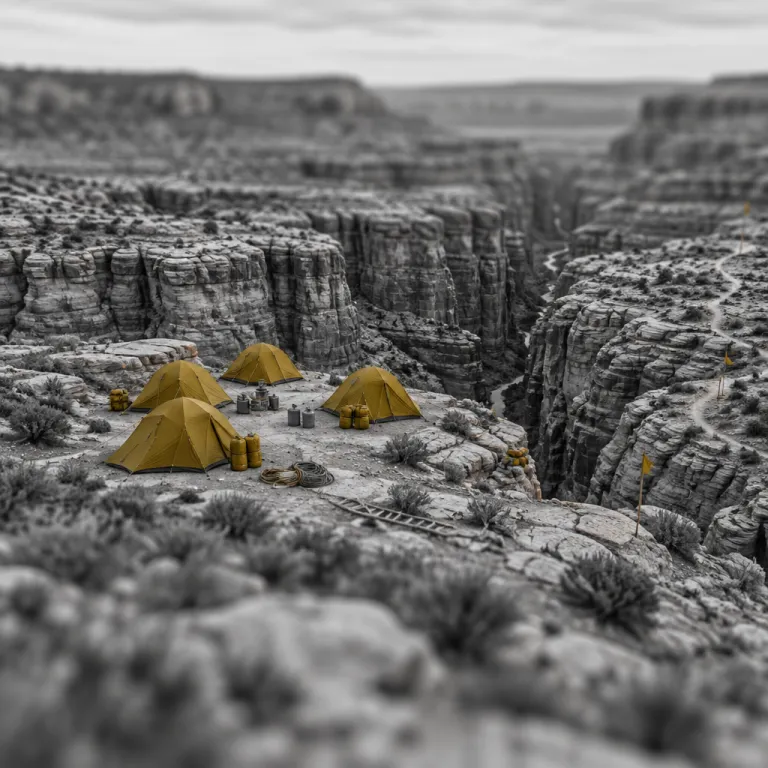
Makay massif Madagascar expedition for solo luxury trekkers
The Makay massif sits in the southwest of Madagascar, a sandstone labyrinth that feels purpose built for the committed solo explorer. This is where a makay massif madagascar expedition becomes less a trip and more a compact life in motion, threading from canyon to canyon with everything you need carried by a discreet équipe. The massif Makay has stayed largely off the map because there are no roads into its heart, only footpaths that slip through forest corridors and along river beds that vanish in the dry season.
Each makay expedition moves through a maze of eroded towers and slot canyons, where a single step can shift you from blazing sun to cool shadow in seconds. The Makay itself is a protected area proposal in progress, with association Naturevolution and its Malagasy association partners pushing for formal protection while still keeping access limited and carefully managed. When you walk into the madagascar Makay you feel that tension between remoteness and responsibility immediately, because every camp and every bivouac must leave the canyon floors and fragile forest ledges exactly as they were found.
For luxury travelers used to coastal lodges, the Makay Madagascar experience is a different register of comfort, but not an absence of it. A well run makay protected itinerary brings proper mattresses, hot water in canvas showers and a kitchen tent that turns simple Malagasy ingredients into refined plates at the end of a long day. The real luxury in this massif is time and silence, with full day stretches where you meet only your guide, a few local communities at the massif edge and the sound of water echoing off stone.
How a mobile camp works in the Makay canyons
Life on a makay massif madagascar expedition is defined by movement, because the landscape itself refuses to sit still. One day you are following a river that braids through a wide canyon, the next you are edging along a ledge massif balcony with forest hundreds of metres below. Operators design each route around water sources, shaded forest pockets and safe bivouac terraces, since a camp here must be self contained and light on its feet.
A typical full day begins before sunrise, when the camp crew heats water for coffee and checks that every tent and bivouac site is spotless before departure. Porters break down the full camp into loads that can move efficiently through narrow canyon passages, while your guide briefs you on the day’s river crossings, forest sections and any exposed edge massif traverses. Because this is a protected area in the making, the best teams follow strict protection protocols, carrying out all waste and using portable toilets and low impact fire practices even on longer missions Makay itineraries.
For solo travelers, the key is choosing an operator that treats safety as non negotiable rather than an add on. Ask for a clearly published safety charter that details evacuation routes, satellite communication, medical kits and guide training for every makay expedition they run. When you are several days’ walk from the nearest piste in Madagascar, you want a crew that has rehearsed every scenario long before your summer eco trekking season begins, not one improvising once you are already deep inside the massif Makay.
For readers planning wider seasonal travel, this same safety first mindset should extend to other remote experiences such as late season whale watching, and you can see how we assess risk and reward in our guide to whether late whale season bookings are worth the scramble. The principle is identical in the Makay Madagascar context, where timing, weather and river levels can shift the difficulty of a route overnight. A credible operator will be transparent about when a full day canyon traverse is realistic for your fitness and when the season or water levels make a shorter route the only responsible choice.
Physical reality: fitness, rivers and the edge of comfort
Walking into the madagascar Makay is not a casual add on to a beach holiday, and any honest makay massif madagascar expedition brief should say that clearly. Expect multi day trekking with repeated ascents and descents, river crossings where water can reach your waist and sections where you scramble along the edge massif with only forest canopy below. The reward is a level of immersion that coastal resorts cannot match, but the price is paid in sweat, focus and a willingness to be far from quick help.
On a typical full day you might leave camp at first light, follow a river upstream for several hours, then climb out through a steep canyon to reach a high plateau. Afternoon heat in the Makay Madagascar interior can be intense, so guides often time the most exposed sections for early or late in the day, resting in forest shade or at water holes during the peak. Good teams build in flexible route options, allowing you to shorten or lengthen the expedition depending on how your body responds to the terrain and the season’s conditions.
Luxury in this context means thoughtful pacing, not marble bathrooms. A well designed makay expedition gives you a proper mattress, a private tent and hot water at the end of the day, but it also gives you a guide who reads your energy and adjusts the route before fatigue becomes risk. Many solo travelers pair this intensity with a softer landing afterwards, retreating to refined island lodges, and our guide to Nosy Komba island stays and villas is a useful reference when you plan the post Makay phase of your Madagascar journey.
Conservation, Naturevolution Makay and scientific expeditions
The Makay massif has become a focal point for conservation because its canyons shelter isolated ecosystems that act like natural laboratories. Association Naturevolution and its Malagasy association partners have led multiple scientific expeditions into the Makay Madagascar interior, documenting species and habitats that were barely known outside local communities. Many of these findings have been published in academic journals, strengthening the case for formal protection of the Makay as a protected area within Madagascar’s broader conservation network.
Naturevolution Makay projects often combine research with volunteer missions, where eco volunteer participants support field logistics while scientists focus on data collection. These missions Makay initiatives are not casual voluntourism ; they demand the same physical resilience as a standard makay massif madagascar expedition, plus the patience to repeat measurements and observations day after day. When run well, volunteer missions in the madagascar Makay can channel funding and attention toward protection while giving participants a grounded understanding of what long term conservation work requires.
For travelers, the key is to choose operators who align with this conservation framework rather than simply using the Makay as a backdrop. Ask whether your makay expedition contributes a fee to local communities and to Naturevolution Madagascar or similar initiatives, and whether camp practices match the low impact standards used on scientific expeditions. A credible partner will be transparent about how much of your trip cost supports protection, how they coordinate with the Malagasy association networks on the ground and how their teams minimise water use, firewood collection and campsite footprints in every canyon and forest they visit.
As you plan, remember that the Makay sits within a wider portfolio of wild experiences in Madagascar, from reef edged islands to remote peninsulas, and our overview of luxury beach resorts on pristine shores can help you balance hard trekking days with restorative coastal stays. Expedition style travel is emerging as the next frontier in Malagasy hospitality precisely because it can pair this kind of deep field immersion with high calibre service before and after the trek. The Makay protected landscape is at the sharpest end of that trend, where the line between guest and temporary field team member becomes productively thin.
Choosing an operator: ethics, logistics and real comfort
Selecting the right partner for a makay massif madagascar expedition is as important as choosing the right boots, because you are trusting them with both your safety and your impact. Start with logistics ; a serious operator will outline the full route, expected walking time each day, river levels by season and contingency plans if water rises or heat spikes. They should also be clear about when the summer eco trekking window opens and closes, since the Makay Madagascar can shift from dry canyon floors to impassable torrents within a few weeks.
Ethics matter just as much as logistics in a protected area that still relies heavily on local communities for access and support. Ask how porters are paid, how many kilos they carry, what insurance they receive and whether the company works with a Malagasy association or Naturevolution Madagascar on training and standards. A responsible makay expedition structure will include rest days for staff, fair wages and clear guidelines on camp hygiene, water treatment and waste management at every bivouac and permanent camp.
Comfort, finally, is about more than thread count. In the Makay protected context, true luxury is a guide who knows when to suggest a shorter full day, a camp team that has your hot water ready when you arrive soaked from a river crossing and a management ethos that treats protection as non negotiable rather than marketing. When you find that combination, the makay, the massif and the forest stop feeling like a backdrop and start feeling like a shared project between you, your crew and the people who call this canyon country home.
FAQ
How difficult is a Makay massif Madagascar expedition for a solo traveler ?
A makay massif madagascar expedition is physically demanding, with multi day trekking, frequent river crossings and steep canyon ascents and descents. Solo travelers should be comfortable walking 6 to 8 hours a day on uneven terrain while carrying a light daypack. A good operator will adjust the route to your fitness, but this is not suitable for first time hikers or anyone with unstable knees or balance issues.
What is the best season to visit the Makay massif ?
The most reliable season for a makay expedition is the dry period, when river levels are lower and canyon floors are passable. During this window, temperatures can still be high, so early starts and long midday breaks in forest shade are standard. Outside the dry season, heavy rain can make routes unsafe or impossible, and responsible operators will cancel or reroute rather than push into flooded canyons.
What kind of accommodation can I expect in the Makay ?
Accommodation on a makay massif madagascar expedition is based on mobile camps and occasional bivouac nights, not permanent lodges. High end operators provide spacious walk in tents, proper mattresses, private wash areas and hot water in simple shower setups. Comfort is thoughtful and practical rather than decorative, with emphasis on good sleep, hygiene and shade after a long day on the trail.
How does my trip support conservation and local communities ?
Many Makay expeditions contribute park or access fees that support protection efforts and local communities, especially when they partner with association Naturevolution or a Malagasy association. Some itineraries include visits to villages at the massif edge, where you can see how porter work, food supply and homestay partnerships create income beyond agriculture. When choosing an operator, ask for clear information on how much of your payment goes to conservation, community projects and fair porter wages.
Do I need previous expedition experience to visit the Makay ?
You do not need prior expedition experience, but you should have solid trekking experience and be comfortable with basic camping routines. The best operators design Makay itineraries that ease you into the rhythm of early starts, river crossings and camp life, with guides explaining each step. If you are new to multi day treks, consider a shorter route first, then return for a longer mission once you understand how your body responds to the Makay terrain.