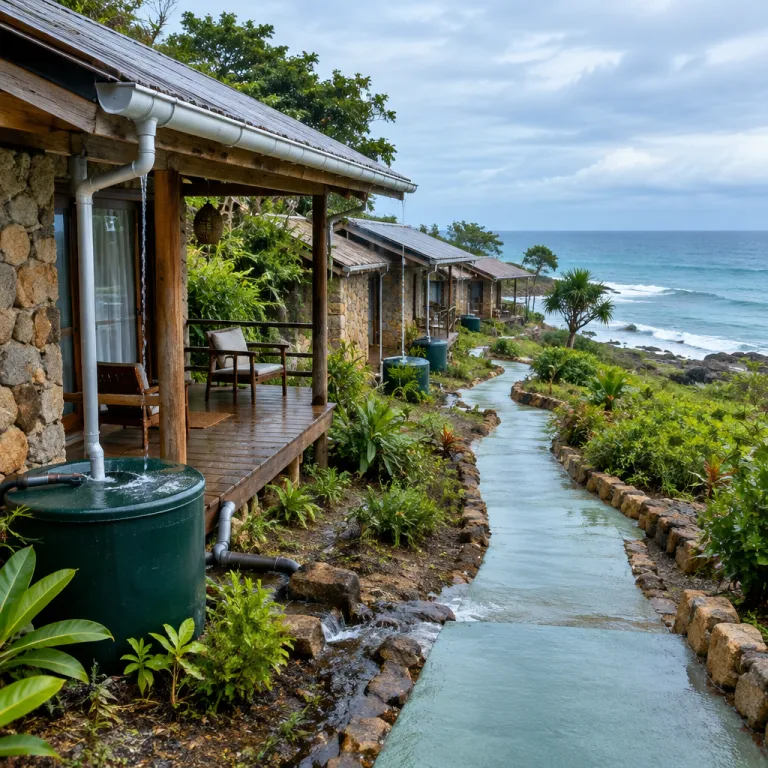
The small-key philosophy on the world’s most singular island
On Madagascar, the idea of a small luxury lodge Madagascar is not a marketing flourish but a survival strategy. Owners on this vast island understand that limiting rooms protects fragile ecosystems and creates a quieter kind of luxury for travelers who value space, silence and time. For solo guests choosing between large hotels and intimate forest lodge retreats, the decision shapes every hour of their stay.
Across Madagascar, the most characterful hotels sit where forest meets shore, where ring-tailed lemurs leap above the sand and the Indian Ocean glows at dusk. In these places, a private lodge Madagascar property with fewer keys means fewer footprints on the trail and more attentive guidance when you explore rare species in the canopy. The philosophy is simple yet demanding; every additional villa or room must be justified against its impact on the land, the marine life offshore and the quality of the view that first persuaded the owner to build here.
Solo travelers feel this immediately when they arrive at a small luxury lodge Madagascar retreat rather than a large hotel complex. Staff greet you by name, remember your preferred tide time for a morning swim and quietly adjust the day’s safari walk if lemurs are active deeper in the forest. On an island where logistics are complex and the north west coast can feel very remote, that level of care is not a perk but a form of safety and reassurance.
How fewer keys reshape service, privacy and pace
Stay in one of the better luxury hotels in Madagascar and you notice how a low key count changes the rhythm of the day. With only a handful of villas or suites, staff to guest ratios rise, and a private lodge team can tailor each forest walk, island spa treatment or marine life outing to your exact energy level. For solo travelers used to anonymous hotels Madagascar wide, this intimacy can feel like stepping into a well run private island residence rather than a conventional hotel.
On the north west coast, where properties such as Anjajavy Lodge and other forest lodge hideaways sit between mangroves and limestone cliffs, the quiet is part of the price you pay and part of the reward you receive. You trade a long list of facilities for the chance to watch ring-tailed lemurs at breakfast, to explore the forest with a guide who knows individual species by their calls and to swim when the tide is right without a crowd. Even in more developed nosy archipelago areas, a small luxury lodge Madagascar experience feels different from larger hotels because staff can adjust plans around miavana time style seaplane schedules, local weather and your own preferences.
In Antananarivo and the highlands, where travelers often pause between flights to the coast or to a private island retreat, the same principle applies in urban form. A small city hotel with limited rooms can arrange transfers to the jacaranda season in the highlands with far more precision than bigger hotels that process groups. For a solo explorer who values both efficiency and calm, that difference in attention can matter more than any design flourish.
Environmental arguments for staying small in fragile biomes
Madagascar is not just another island in the Indian Ocean; it is a biodiversity outlier where most species exist nowhere else. Conservation bodies such as the IUCN and Madagascar’s National Biodiversity Strategy note that around 80–90% of the island’s wildlife is endemic, which means damage is rarely reversible. When a small luxury lodge Madagascar property chooses to cap capacity, it often does so because the surrounding forest, reef or mangrove cannot absorb more guests without damage. For travelers who care about impact, the decision to book such hotels is as much an environmental stance as a comfort choice.
On private island retreats such as Miavana or Constance Tsarabanjina, the link between low density and conservation is particularly clear. Fewer villas mean less pressure on marine life, less light pollution over turtle nesting beaches and more flexibility to close areas when reef systems need time to recover between peak tide cycles. One Indian Ocean resort director quoted in National Geographic described limiting guest numbers as “the only way to keep turtle nesting success above 80% on our beaches,” a reminder that occupancy caps can directly influence conservation outcomes.
For lemur focused stays, especially during periods when baby lemurs are visible, small lodges can control viewing pressure in ways that larger hotels cannot. Properties that limit numbers on each forest safari can ensure that ring-tailed lemurs and other species are observed at respectful distances, which is why responsible families often seek guidance from resources such as this overview of where to see baby lemurs responsibly for ethical wildlife encounters. On a small luxury lodge Madagascar stay, you are not just paying a higher price for exclusivity; you are underwriting a model that gives habitats a chance to endure.
The economics, pricing and fragility of tiny island lodges
Behind the calm surface of a small luxury lodge Madagascar property lies a fragile economic equation. Supply chains across Madagascar are long, fuel is expensive, and the cost of flying fresh produce to a remote island or forest lodge can be higher than guests expect. Lodge managers often note that a single charter boat of supplies can cost more than several room nights. When you see the price of a night at a private island retreat or at one of the best luxury hotels on the north west coast, you are seeing the real cost of operating at the edge of the map.
Because these hotels have so few villas or rooms, seasonality hits harder than in larger city hotels Madagascar wide. A week of cancelled flights or rough tide conditions can wipe out a significant share of annual revenue for a lodge Madagascar operator, which is why many encourage direct booking and longer stays to stabilize cash flow. Industry reports on Indian Ocean island properties suggest that even well known retreats often need annual occupancy above 60% just to break even, a figure that highlights how vulnerable tiny operations can be to a few bad weeks.
Some of the most interesting properties in the nosy archipelago and along the coast operate in phases, opening a few villas at a time to test logistics before expanding. Voaara’s phased eight key launch, reported by Hospitality Net, is a rare public example of how cautious growth can look in practice on a remote island. When you compare prices between a small luxury lodge Madagascar stay and a larger resort, remember that you are not just paying for a room with a view but for the resilience of a delicate operation that chooses smallness over scale.
Reading the map: from Nosy Komba to Sainte Marie and beyond
For a solo explorer planning a route across Madagascar, the question is not whether to stay small but where. Around Nosy Komba, Nosy Saba and the wider nosy archipelago, you find a cluster of intimate hotels where forest drops straight into the sea and where a private lodge can feel like your own island for a few days. Names such as Tsara Komba, Tsara Komba Island Lodge and other Relais Châteaux affiliated retreats signal a certain standard, but the real test is how each property balances luxury with ecological responsibility.
On the mainland north west, Anjajavy Lodge and other forest lodge properties offer a different rhythm, with more terrestrial safari style experiences and closer contact with ring-tailed lemurs and other endemic species. Here, a small luxury lodge Madagascar stay is less about an island spa and more about long walks through dry forest, boat trips along mangroves and evenings where the only lights are stars and a few distant hotels. If you want a softer landing, the refined stays on a tropical island such as Sainte Marie, outlined in this dedicated travel guide to Sainte Marie for discerning guests, can be paired with wilder lodge Madagascar nights later in the trip.
Even in Antananarivo, where international chains and smaller design forward hotels coexist, the solo traveler can apply the same filters used on the coast. Look for properties that feel closer in spirit to thoughtful boutique hotels elsewhere in the Indian Ocean, even if they avoid that label, and that understand why guests are crossing half the world to explore Madagascar rather than a more conventional island destination. When a manager can speak as fluently about lemurs and forest conservation as about room categories and price, you are usually in the right place.
How to tell deliberate smallness from under-resourced hotels
Not every small hotel in Madagascar is a small luxury lodge Madagascar travelers should book without questions. Some properties are small because financing stalled, infrastructure never caught up or management underestimated the complexity of running a lodge Madagascar wide. Your task as a solo traveler is to distinguish between deliberate smallness and simple under resourcing before you commit to a non refundable price.
Start with how a property talks about its forest, marine life and surrounding communities, because serious operators treat these as core assets rather than backdrops. A genuine private island retreat such as Miavana or Constance Tsarabanjina will usually publish clear information about conservation, staff training and how they manage tide dependent activities, sometimes even referring to miavana time or time tide as part of the experience. Properties aligned with Relais Châteaux standards or with reputations similar to the best luxury hotels in the region tend to be transparent about logistics, transfers and what is realistically possible in different seasons.
Then look at how they handle detail. Are transfers from nosy archipelago airstrips explained clearly, are dietary needs addressed with confidence, and do they speak knowledgeably about when lemurs are most active or when ring-tailed lemurs can be seen near the forest lodge? Resources such as the guide to when Antananarivo turns purple during jacaranda season for highland timing show the level of seasonal nuance you should expect from serious hotels Madagascar wide. When a team can discuss both villas and species, both view lines and conservation, you are usually looking at a place where less really is the luxury.
FAQ: small luxury lodges in Madagascar
Are small luxury lodges in Madagascar worth the higher price for solo travelers ?
For many solo travelers, a small luxury lodge Madagascar stay is worth the higher price because of the elevated staff attention, safety and access to nature. With fewer guests, guides can tailor forest walks, marine life outings and tide dependent activities to your pace and interests. You also gain quieter spaces, better chances of seeing lemurs and ring-tailed lemurs without crowds and a more flexible approach to last minute changes.
How far in advance should I book a small lodge or private island stay ?
Because these hotels have very few villas or rooms, they often book out months ahead, especially on a private island or in the nosy archipelago. If your dates are fixed or you want specific villas with the best view, plan at least one season in advance. Flexible travelers can sometimes secure shorter stays closer to departure, but should be ready to adjust routes across Madagascar.
What should I look for when choosing between different small lodges ?
Focus on three elements : location, environmental commitment and operational clarity. Location determines whether your stay feels more like a forest lodge safari, a marine life focused island spa retreat or a mix of both. Environmental and logistical transparency, including how they manage species viewing, tide timing and transfers, separates serious luxury hotels from under resourced small hotels.
Do small lodges in Madagascar offer enough activities for longer stays ?
Well run small lodges usually offer a deep rather than wide activity menu, with variations on forest walks, snorkelling, village visits and relaxed time by the water. Because staff know the area intimately, they can adjust routes to follow lemurs, ring-tailed lemurs or seasonal marine life, keeping experiences fresh over several days. If you value variety in facilities over depth of nature immersion, you may prefer to combine a small lodge with a larger hotel elsewhere on the island.
Is it better to base on one island or combine several regions ?
Combining regions gives a fuller sense of Madagascar’s diversity, especially if you mix a nosy archipelago private island stay with a north west forest lodge and time in Antananarivo. Staying on one island or at a single small luxury lodge Madagascar property offers a slower, more restorative rhythm with less time lost to transfers. Your choice depends on whether you prioritize depth in one ecosystem or a broader survey of the island’s landscapes and hotels.
References
Hospitality Net ; National Geographic ; International Union for Conservation of Nature (IUCN).