How to read “family hotels Madagascar” when you are planning a premium trip
Parents searching for family hotels Madagascar quickly realise this country rewards those who plan carefully. A good family hotel in Madagascar balances wildlife access, gentle logistics and enough comfort that kids still sleep well at night. The best properties understand that a Madagascar family trip is not only about lemurs, but also about shade by the beach and flexible meal times for tired kids.
Across the country, the word family can mean many things, so you need to check what is really offered. Some hotels call themselves family hotels Madagascar because they have one extra bed, while others provide proper family rooms with mosquito nets, blackout curtains and space for play. When you speak with a lodge or resort, ask whether kids Madagascar activities are guided, how long day trips last and whether a guest can shorten an outing if younger children fade.
For premium travellers, the best family hotels Madagascar usually sit in three zones that work well with kids. First, the east coast rainforests near Andasibe national park give easy access to indri calls and chameleon walks without brutal transfers. Second, the Nosy Be archipelago offers beach resort stays where hotels Nosy properties combine calm seas, soft sand and short boat rides to island Nosy coves that feel wild but manageable with children.
Third, a handful of inland lodges near national parks in the highlands and west make the country’s famous landscapes reachable for a Madagascar family without expedition style hardship. These areas include gateways to tsingy Bemaraha and the avenue Baobabs, though with kids you should plan them as separate chapters, not one rushed loop. Whatever your route, remember that Madagascar best experiences for families come from slowing the pace, choosing one or two regions and letting kids connect with guides, lemurs and the rhythm of Malagasy life.
Choosing regions: where wildlife and comfort align for families
When you map family hotels Madagascar, start with flight patterns rather than a romantic line across the map. Madagascar Airlines has expanded its regional network, which means previous marathon transfers between the east coast, Nosy Be and the south now shrink into manageable hops for a family. This matters because a night spent in transit is a night when kids do not see lemurs, play on a beach or enjoy good food at the hotel.
For first time visitors, Andasibe Mantadia national park is the most family ready rainforest base in the country. Lodges here sit within a short drive of the park gates, so kids Madagascar travellers can walk among orchids and listen to indri calls on half day outings rather than exhausting treks. Many properties offer family rooms with mosquito nets, warm showers and early dinners, which makes this region one of the best introductions to national parks for younger children.
On the northwest coast, the Nosy Be archipelago is the classic answer when parents ask where to find a beach resort that still feels like Madagascar. Hotels Nosy Be range from simple guest houses to polished resort spa properties, and the best of them understand that a family guest needs shade, shallow water and short boat transfers. From Nosy Be, day trips to island Nosy Tanikely or Nosy Komba let kids meet lemurs in small reserves, snorkel above coral and still be back at the lodge before the afternoon slump.
Families who want seasonal marine life often pair Nosy Be with a humpback whale focus on the east coast or Île Sainte Marie. If you are considering late season whale watching with kids, read this detailed guide on whether late whale season bookings are worth the scramble before you lock flights. South Africa based families sometimes combine their trip with a safari, but remember that Madagascar’s national parks are about lemurs, reptiles and forests rather than big game, so set expectations clearly for children.
Nosy Be, Nosy Komba and the art of the family friendly beach lodge
For many premium travellers, the phrase family hotels Madagascar really means a safe, calm beach where kids can swim while parents exhale. Nosy Be delivers that, but only if you choose your beach resort or lodge with care and ask the right questions. The best hotels Nosy Be sit on coves with gentle waves, have family rooms close to the sand and provide mosquito nets that are properly fitted, not just draped decoratively.
On Nosy Be itself, look for a resort spa or small lodge that offers flexible dining, because kids Madagascar visitors rarely eat on a strict schedule. Ask how the kitchen handles early dinners, whether they can simplify food for younger palates and if they are comfortable with allergies or intolerances. A good hotel will not just offer a token kids menu, but will adapt Malagasy staples like grilled fish, rice and coconut vegetables into dishes that work for the whole family.
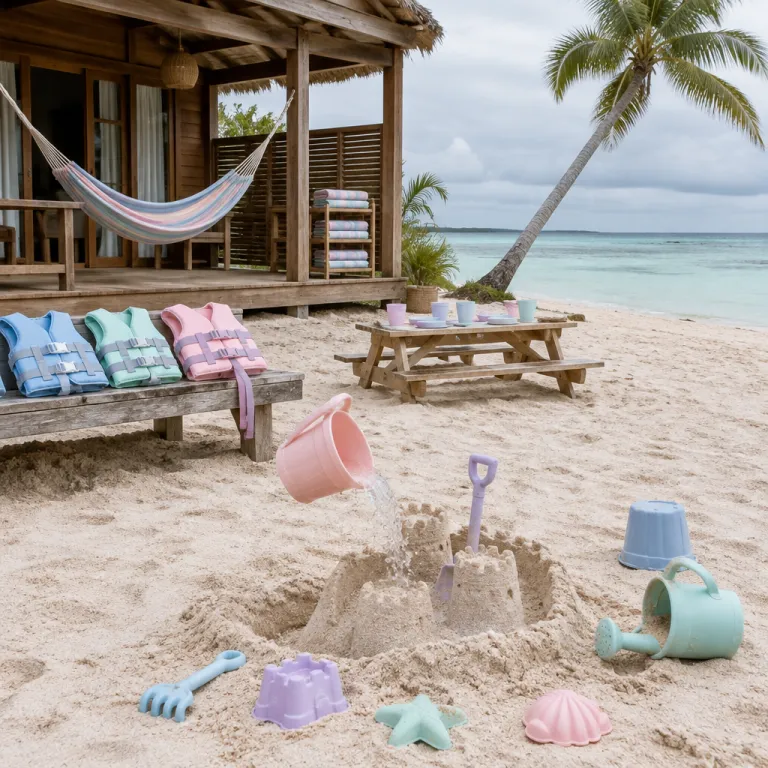
Nearby Nosy Komba changes the rhythm again, with smaller lodges that feel more intimate and closer to nature. Here, day trips often involve short hikes to see lemurs in community run reserves, followed by long swims and sandcastle sessions on quiet beaches. When you evaluate family hotels Madagascar on Nosy Komba, check whether the lodge provides life jackets in children’s sizes, shaded play areas and staff who are used to hosting a Madagascar family rather than only couples.
Food is a major part of the experience in this country, and many coastal lodges now take their menus seriously. To understand what might appear on your plate from coast to highlands, explore this piece on what the dry season puts on lodge menus before you travel. A thoughtful resort or lodge will use fresh seafood, seasonal fruit and local spices, which keeps adults happy while still offering simple, good options for kids who just want grilled chicken and rice after a long day.
Balancing lemurs, tsingy and the avenue of the Baobabs with children
Madagascar best wildlife stories for families are not the most extreme ones, but the ones that fit your children’s energy. Parents often arrive with dreams of tsingy Bemaraha, multiple national parks and the avenue Baobabs all in one trip, then realise the country’s roads and distances demand a slower pace. A better strategy is to choose one inland highlight, one rainforest base and one beach resort, then build your family hotels Madagascar shortlist around that triangle.
For younger kids, Andasibe national park plus a Nosy Be or Nosy Komba beach stay usually delivers the right balance of lemurs and downtime. Older children and teenagers who travel well by road might add a west coast chapter to see the avenue Baobabs near Morondava, where sunset turns the trunks gold and the country feels ancient and cinematic. If tsingy Bemaraha is on your list, remember that some circuits involve ladders and harnesses, so check with your lodge and guide whether specific routes are suitable for your kids Madagascar age group.
In every region, ask lodges how they structure day trips for a Madagascar family. A good guide will suggest shorter morning walks to see lemurs when they are active, then leave afternoons for pool time, beach play or quiet hours in the shade. When you compare family hotels Madagascar, prioritise properties that can offer private guiding or small group outings, because that flexibility lets you turn back when a child is tired without compromising another guest’s experience.
Some families arrive from South Africa after a safari, which can shape how much walking and wildlife attention span remains. In that case, lean more heavily on beach resort time and choose one national park rather than three, so the trip feels like a progression rather than a test. The best hotels and lodges understand this and will help you adjust the plan on arrival, but only if you share your previous travel days and your children’s limits honestly.
What “family ready” really means in Malagasy lodges and resorts
Not every property that welcomes children deserves to sit on a list of family hotels Madagascar. True family readiness starts with the basics : safe rooms, reliable mosquito nets, clean water and staff who understand that kids move differently through a hotel. When you speak with a resort or lodge, ask for photos of family rooms, check whether windows and balconies are secure and confirm that nets are checked between each guest.
Space matters more than many parents expect in this country, because a Madagascar family often spends the early evening in the room while kids wind down. Look for layouts where adults can sit on a terrace or in a small lounge area after night falls, rather than whispering in the dark while children sleep. Some properties, such as kely lodge or manja kely style guest houses, may offer adjoining rooms instead of large suites, which can work well if you are comfortable with older kids sleeping next door.
Food is another test of whether a hotel is genuinely family focused or simply tolerant of children. Ask how the kitchen handles early dinners, whether they can prepare simple dishes outside the main menu and if they are willing to adapt spice levels for kids Madagascar visitors. A good resort spa or beach resort will also understand that some nights parents want a slower, more elaborate meal, so check whether they can arrange in room dining or supervised early suppers for children.
Finally, look at how a property talks about activities and downtime. Family hotels Madagascar that truly think about kids will mention shaded play spaces, short nature walks, board games for rainy afternoons and guides who enjoy working with younger guests. When a lodge only highlights long treks and late night excursions, it may still be a wonderful place, but it is probably better suited to adults or older teenagers than to a young Madagascar family.
Health, safety and practical questions parents actually ask
Every parent weighing family hotels Madagascar ends up asking the same quiet questions about health, water and what happens if something goes wrong. This is a low income country with limited infrastructure outside major towns, so you need to plan with clear eyes rather than fear. Start by speaking with a travel medicine specialist about malaria precautions, then match their advice with the specific regions and national parks on your itinerary.
Most premium lodges and resorts provide mosquito nets, but you should still check how they are maintained and whether windows have screens. In coastal areas like Nosy Be, Nosy Komba or the east coast, ask if rooms have fans or air conditioning, because cooler nights help kids sleep under nets without complaint. For inland stays near national parks, pack light long sleeved clothing for dusk and dawn, when mosquitoes are most active around a Madagascar family returning from walks.
Water safety varies by region, so assume tap water is not drinkable and rely on filtered or bottled supplies provided by your hotel. A good lodge will brief every guest on what is safe, refill reusable bottles and offer boiled water for preparing baby formula if needed. When you compare family hotels Madagascar, ask how far the nearest clinic or hospital is, whether the property has a first aid trained équipe on site and how they handle medical evacuations in rare serious cases.
Parents also worry about long drives, so be honest about your children’s tolerance for road travel. If your previous trips suggest that more than four hours in a vehicle leads to meltdowns, design a route that uses the new regional flights rather than heroic overland pushes. The best hotels and lodges will help you break journeys with one night stops, turning what could be a punishing transfer into another small chapter in your family’s Madagascar story.
Sample itineraries and how to match them with real family hotels Madagascar
To make all this practical, it helps to picture how a ten to twelve night trip might look for different families. One classic route for first timers pairs three nights near Andasibe national park, five nights on Nosy Be or Nosy Komba and a final two nights in Antananarivo to rest before the flight home. In this case, you would choose a forest lodge with family rooms and mosquito nets, a beach resort with calm water and a city hotel close to the airport, creating a chain of family hotels Madagascar that each serve a clear purpose.
Another pattern works well for families arriving from South Africa who want more beach time and fewer internal flights. They might fly directly to Nosy Be, spend seven nights at a resort spa or lodge that offers varied day trips, then add three nights on the east coast or Île Sainte Marie for a different style of beach and, in season, whales. For that second chapter, this refined Île Sainte Marie travel guide helps you choose between quiet coves, small hotels and more activity rich areas.
Families with older children who are keen walkers might design a route that includes the avenue Baobabs and, if conditions allow, a carefully chosen section of tsingy Bemaraha. Here, you would work with a specialist to select lodges that understand the demands of these landscapes and can advise honestly on which circuits suit your kids Madagascar ages. In every case, the thread running through your choices should be simple : each hotel, resort or lodge must either bring you closer to wildlife, give you a restorative beach or make a necessary transfer kinder on the whole Madagascar family.
As you refine your plan, keep a short list of questions you ask every property, from andriana resort style hotels to small places like kely lodge or manja kely guest houses. Ask about family rooms, mosquito nets, food flexibility, guide ratios and how they handle rainy days when day trips are not possible. The answers will quickly reveal which family hotels Madagascar are genuinely prepared for children and which are still learning what premium family travel really requires.
Key figures for planning family hotels Madagascar
- Madagascar counts more than 40 protected national parks and reserves, but only a smaller subset near Andasibe, Ranomafana and Nosy Be offer the infrastructure and access that work well for most families (data from Madagascar National Parks). This means parents should prioritise these hubs when shortlisting family hotels Madagascar.
- Road speeds in Madagascar average around 40 to 50 kilometres per hour on major routes, so a 200 kilometre transfer can easily take five hours or more (figures from local transport agencies). Families should use this to calculate realistic travel days between lodges and avoid overloading kids with long drives.
- Nosy Be receives a significant share of the country’s international leisure arrivals, with tourism boards estimating that a large proportion of first time visitors choose the archipelago for its calm beaches and marine life. This concentration of demand explains why hotels Nosy Be often have the widest choice of family rooms and resort spa facilities.
- Health organisations report that malaria risk in Madagascar varies by region, with higher transmission in coastal and lowland areas and lower risk in some highland zones. Families planning stays in beach resort areas like Nosy Be or the east coast should therefore pay particular attention to mosquito nets, repellents and medical advice.
FAQ about family hotels Madagascar
Which regions are best for a first family trip to Madagascar ?
For a first visit, most families do well with a combination of Andasibe national park for rainforest and lemurs, plus Nosy Be or Nosy Komba for beach time. These areas have some of the best developed family hotels Madagascar, with shorter transfers, reliable guides and more choice of family rooms. Adding a brief stay in Antananarivo at the start or end helps manage flight timings without overloading kids.
How many internal flights should we plan with children ?
With younger kids, one or two internal flights are usually enough, especially if you are already flying long haul to reach the country. Use those flights to replace the longest road legs, such as between the east coast and Nosy Be, rather than to hop between every region. Families arriving from South Africa sometimes manage an extra sector, but only if they build in rest days at each lodge or resort.
Are Madagascar’s lodges safe for children at night ?
Most premium lodges and resorts that market themselves as family hotels Madagascar take night time safety seriously, with secure doors, mosquito nets and staff on duty. Parents should still check room layouts, balcony railings and how close their family rooms are to main areas. In more remote national park gateways, it is wise to carry a small torch and agree simple rules with kids about not leaving the room alone after dark.
What should we ask a hotel to judge if it is truly family friendly ?
Key questions include whether they offer genuine family rooms, how they handle early dinners, what child sized life jackets or car seats they provide and how long typical day trips last. Ask specifically about mosquito nets, shaded play areas and whether guides are experienced with kids Madagascar travellers. A good property will answer clearly and offer practical examples rather than vague reassurances.
Can we combine lemurs, tsingy and the avenue of the Baobabs in one family trip ?
It is technically possible, but for most families it is better to choose two of the three and do them well. Tsingy Bemaraha and the avenue Baobabs both require significant travel time, so combining them with multiple other national parks can exhaust children. A more balanced plan pairs one inland highlight with a rainforest base and a beach resort, then returns to other regions on a future trip.