Famadihana Madagascar culture and the highland sense of time
Famadihana Madagascar culture sits at the heart of highland identity. In the central plateaus of Madagascar, many Malagasy people speak of time as a dialogue between the living and the ancestors, not a straight line from birth to death. For a thoughtful traveler, understanding this funerary tradition offers context for the landscapes, the hospitality and even the way leadership is expressed in village and city life.
Famadihana, often translated as a second burial or “turning bones”, is a family ceremony where the remains of ancestors are exhumed from the family tomb, carefully wrapped in new shrouds and celebrated before being returned. This practice of famadihana turning is part of a wider Malagasy culture of ancestor reverence, where bodies ancestors are not seen as simply dead but as active spirits ancestors who remain close to the family. Many people in Madagascar will explain that life famadihana is about renewing ties with the deceased, sharing family news and reaffirming belief Malagasy values that bind generations.
For visitors, it is essential to remember that famadihana deeply belongs to families, not to tourism. The ceremony may happen only every few years, timed to the dry season when roads are passable and the risk of rain entering tombs is low. When you plan a highland stay through a luxury or premium hotel booking website in Madagascar, you should treat famadihana Madagascar as cultural background that shapes conversations, not as an event to attend or photograph without explicit, personal invitation.
Where famadihana lives in the highlands, and why dates are not for sale
Most famadihana ceremonies take place in the highlands of Madagascar, especially around Antananarivo, Antsirabe and the rice terraces that ripple toward Ambositra. In these regions, the family tomb often stands on a hill overlooking the village, a visible reminder that ancestors and living people share the same land and the same day to day concerns. When you drive between highland towns from one luxury lodge to another, you will notice these family tombs scattered among paddies and granite outcrops.
The timing of famadihana Madagascar culture usually follows the cool, dry months, when travel is easier and the risk of damaging rain is lower for the tomb. Families may wait many years between ceremonies, saving money and coordinating relatives who have moved to cities or even to other parts of Asia Oceania. No hotel, no guide and no premium travel agency can legitimately promise you a date for a specific famadihana turning, because the decision rests entirely with the family and their ancestors.
Ethically, this matters as much as any wildlife guideline on a whale watching cruise from Sainte Marie or a seasonal trip planned during Madagascar’s whale season, where late bookings can still be worth the scramble for the right reasons during the closing whale season. Just as you would not ask to join a stranger’s funeral, you should not ask hotel staff to arrange access to a famadihana ceremony. The most respectful position for travelers and for people Madagascar welcomes is at the edge of this tradition, learning about belief Malagasy values without stepping into sacred family space.
How luxury stays frame respectful distance from the ceremony
High end lodges and premium city hotels in Madagascar can help you understand famadihana Madagascar culture without turning it into a spectacle. Many properties in Antananarivo, Antsirabe or the highland countryside work with trained guides who can explain how Malagasy people relate to ancestors, tombs and the idea of a second burial. When you book through a curated platform such as a specialist luxury and premium hotel booking website in Madagascar, you gain access to this kind of context rather than to staged ceremonies.
During a stay in the highlands, a guide might point out how a family tomb is oriented on a slope, how the stonework reflects local leadership lineages or how the names of ancestors are inscribed. Over dinner, perhaps featuring seasonal dishes that echo what families share during the dry season feasts described in guides to what the August table in Madagascar looks like from coast to highlands on the August table in Madagascar, you may hear how people Madagascar link food, memory and love for the deceased. These conversations often reveal how life and death are braided together in Malagasy culture, where the dead are not gone but present as spirits ancestors who care about family news and daily choices.
Staying in a refined property also gives you space to process what you learn about famadihana deeply, without pressure to perform curiosity. You might walk through highland villages where no ceremony is happening, yet still sense how belief Malagasy traditions shape the rhythm of the day and the placement of houses around the tomb. In this way, luxury travel becomes less about access to the ceremony and more about a respectful vantage point on the wider funerary tradition that surrounds famadihana turning.
Reading the landscape: tombs, oral history and the quiet presence of ancestors
Once you start to see the highland landscape through the lens of famadihana Madagascar culture, the hills and valleys read differently. A low stone rectangle in a rice field becomes a family tomb, not just a random structure, and the path that skirts it reflects how Malagasy people move respectfully around the dead. Guides often explain that many families believed spirits remain close to these tombs, listening when relatives speak aloud or silently share family news.
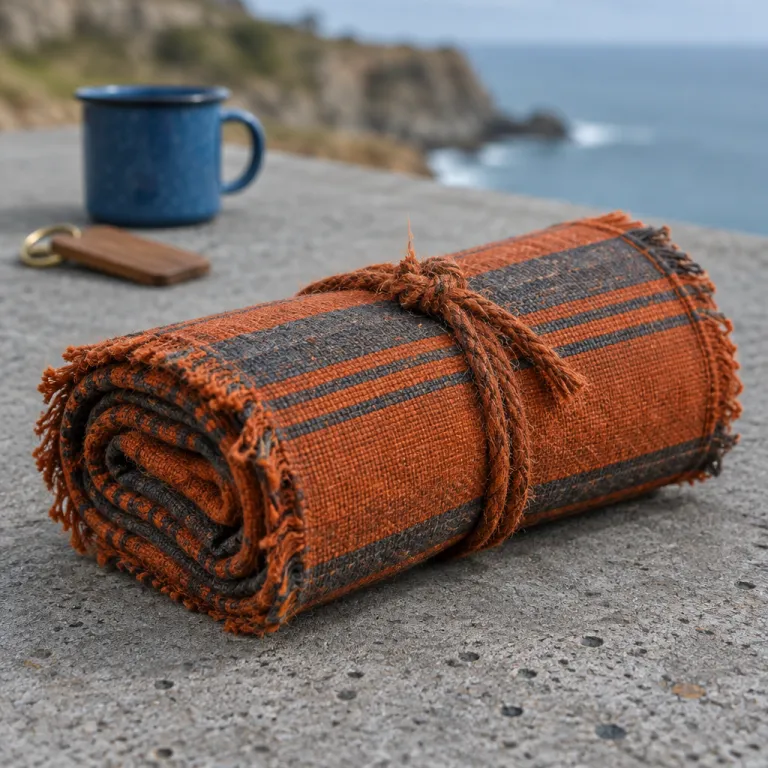
In some regions of Madagascar, the bones of ancestors are placed in multi chambered family tombs that hold generations of bodies ancestors together. During famadihana, these remains are brought out, carefully wrapped in new lambamena shrouds, and the ceremony becomes a moment when life, death and love meet in music, food and shared memory. The leadership of elders is central here, as they decide when the second burial will happen, how the turning of bones will be organized and how the deceased will be honored before being returned to rest.
Travelers can engage with this heritage without approaching an actual funeral or famadihana turning. Museums in Antananarivo and regional cultural centers often present exhibitions on Malagasy culture, funerary tradition and the role of ancestors in daily life. A well briefed guide, often arranged through a trusted hotel or through curated resources on luxury escapes and premium hotel experiences on the island for Madagascar resorts and luxury escapes, can translate oral history into stories that respect both the living family and the dead they honor.
Invitation, consent and the traveler’s ethical line
Occasionally, a solo traveler who has built a genuine relationship with a Malagasy family over years may be invited to stand at the edge of a famadihana ceremony. This is never something to request, and it is never something a hotel should advertise, because the line between respectful interest and intrusion is thin. If such an invitation ever comes, the traveler’s role remains that of a quiet guest, not a spectator seeking images of turning bones or of the deceased being carefully wrapped.
Ethical photography is central to that restraint in any context involving death, funeral rites or a second burial. You should always ask explicit permission before raising a camera, and you should be prepared to put it away if the family, the leadership of elders or even one person expresses discomfort. Many people Madagascar feel that images taken at a family tomb or during a ceremony can disturb the spirits ancestors, and this belief Malagasy perspective deserves the same respect you would offer in your own culture.
For most travelers, the most honorable position is to learn about famadihana deeply through conversation, reading and guided visits to highland landscapes rather than through direct attendance. Luxury and premium hotels can support this by training staff to explain why famadihana Madagascar is not a product, while still helping guests understand how life famadihana shapes values of family, love and responsibility toward the dead. In doing so, the hospitality sector reinforces that famadihana Madagascar culture is a living tradition held by families, and that the traveler’s place is thoughtfully, respectfully, at the edge of it.
FAQ
Is famadihana something travelers should try to attend in Madagascar ?
Famadihana is a private family ceremony, not a tourist event. Travelers should not try to arrange access, because only the family and their elders can decide who is present at the family tomb. The most respectful approach is to learn about the tradition from guides, museums and conversations, while keeping a clear distance from actual ceremonies.
What does famadihana mean for Malagasy people and their ancestors ?
For many Malagasy people, famadihana expresses ongoing love and responsibility toward ancestors rather than a single moment of death. The second burial and the turning of bones renew ties between the living and the deceased, who are believed to remain active as spirits ancestors. This belief Malagasy view shapes leadership in families, decisions about land and the way life and death are understood as a continuous relationship.
When does famadihana usually take place in the Madagascar highlands ?
Families often choose the cool, dry months in the highlands, when roads are easier and rain is less likely to enter tombs. Ceremonies may be held only every few years, depending on finances, family news and the guidance of elders. No fixed public calendar exists, so travelers should not expect to plan a trip around specific famadihana dates.
How can I learn about famadihana without intruding on a ceremony ?
You can stay in highland hotels that work with knowledgeable guides who explain Malagasy culture and funerary tradition in depth. Visits to museums and cultural centers in Antananarivo or regional towns offer context on ancestors, family tombs and the role of spirits ancestors in daily life. Walking through highland landscapes with a guide also helps you read how tombs, villages and fields reflect life famadihana without approaching any active ceremony.
Is it acceptable to take photos of tombs or ceremonies in Madagascar ?
Photography around tombs and any funeral or famadihana ceremony requires explicit consent from the family. Many people Madagascar feel that images can disturb the deceased or the spirits ancestors, so you should always ask and be ready to put the camera away. As a rule, if you are not personally invited into a space, it is better to keep both distance and discretion.