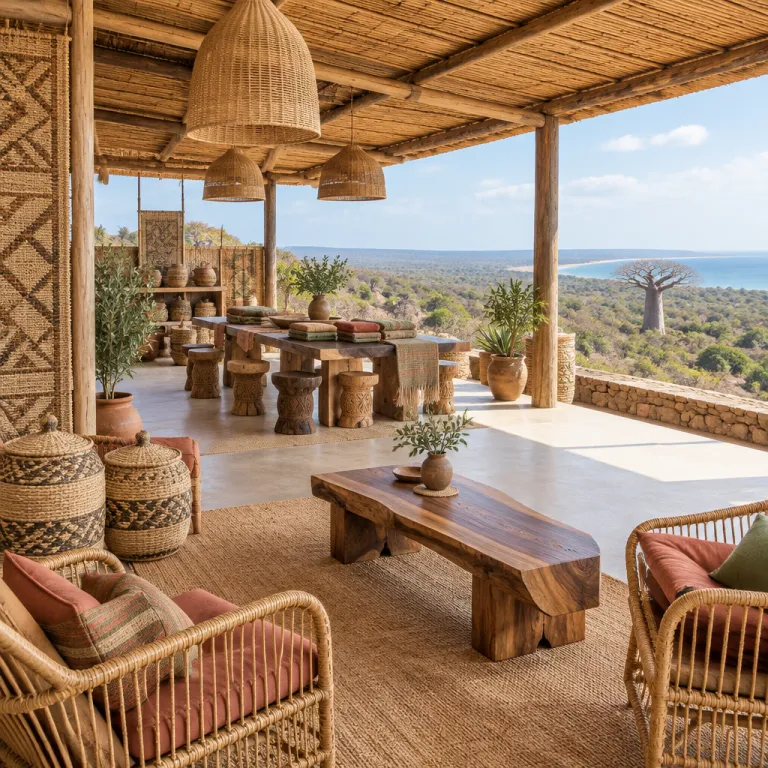
Malagasy craft lodge design as a quiet form of luxury
Step into a refined lodge in Madagascar and the first impression is texture. Malagasy craft lodge design treats the interior as a living gallery where raffia, handwoven lamba textiles and carved hardwood quietly frame your stay. For solo travelers who notice the objects in a room, this is where the island’s cultural heritage becomes a tactile experience rather than a brochure slogan.
Across the country’s best lodges, owners lean on local artisans because importing furniture to Madagascar is costly, slow and often misaligned with the climate. The supply chain reality on this island in the Indian Ocean means that raffia, sisal, bamboo and local hardwoods are not just aesthetic choices but practical responses to weather conditions that vary season by season. When you compare different lodge experiences during your travel, you start to see how each property interprets Malagasy craft lodge design as its own version of eden rather than a generic tropical theme.
In coastal areas near baobab beach landscapes or a remote forest lodge, woven panels soften the wind while heavy carved doors keep out salt air. Inland, where nights are cooler and the flora and fauna shift, thick cotton and silk lamba throws add warmth without feeling heavy. As a lodge guest, you feel how these materials are fully equipped to handle the island’s changing weather conditions while still offering a sense of calm, understated luxury.
The materials of the Malagasy interior: raffia, lamba and hardwood
Raffia is the backbone of Malagasy craft lodge design, running from ceiling panels to headboards. In many lodges across Madagascar, raffia is braided or woven into geometric patterns that echo traditional highland weaving while remaining resolutely contemporary. You will often see raffia lampshades casting a warm, dappled light that flatters both the room and the lodge guests returning from a long day of activities.
The lamba, a traditional silk or cotton wrap, appears as bed runners, cushions and wall hangings in thoughtful lodges that respect cultural heritage. Highland silk lamba textiles, often dyed in earthy tones, sit beside coastal cotton versions that feel lighter and better suited to humid beach air. When a lodge offers both types in different spaces, it signals a design team that understands how weather conditions and the best time to use each fabric vary season by season.
Hardwood carving is the third pillar of Malagasy craft lodge design, particularly in regions where dense forest still supports careful, legal harvesting. Bed frames, side tables and door panels often feature subtle lemur motifs, stylised baobab trees or abstract patterns inspired by the masoala forest and other national park landscapes. The most refined lodges use carving sparingly, allowing the grain of the wood and the surrounding flora and fauna to remain the focus rather than overwhelming guests with decoration.
Regional craft traditions from highland weaving to coastal fibre work
Malagasy craft lodge design changes as you move from the highlands to the coast, and that regional specificity is part of the appeal. In the central highlands, weaving traditions dominate, so you will notice tightly patterned mats, wall panels and baskets that reference rice terrace geometry. These pieces often frame windows that look out toward distant hills, creating a dialogue between interior craft and the wider landscape of Madagascar.
Along the coast and near baobab beach stretches, fibre work shifts toward looser, airier weaves that allow sea breezes to pass through. Lodges in these areas often commission local cooperatives to produce sisal rugs, raffia pendant lights and beach bags that guests can use during their stay and then take home. When a lodge offers these objects for sale with clear information about the makers, it turns a simple purchase into a meaningful cultural experience that extends beyond the trip.
In the northeast, near the vast Masoala Forest and other protected areas, you may find interiors that echo the forest lodge vernacular with bark inspired textures and deep green textiles. Here, Malagasy craft lodge design often references the surrounding wildlife and the dense masoala forest canopy without resorting to literal animal prints. For solo travelers heading toward whale watching coasts or scuba diving reefs after a forest stay, this shift in materials becomes a narrative thread that ties different lodge experiences across Madagascar into one coherent journey.
Owner operated lodges, local makers and the realities of sourcing
On an island where shipping can take weeks, owner operated lodges have learned to work with what Madagascar offers locally. Imported sofas or lighting often arrive late, damaged or simply unsuited to the humidity, so many hoteliers now commission fully equipped room sets from nearby workshops. This is where Malagasy craft lodge design becomes both a creative solution and a quiet act of economic resilience.
Properties such as Eden Lodge on the northwest coast, or other forest lodge retreats near a national park, often collaborate with village artisans for everything from headboards to woven bathroom baskets. When you see a piece labelled as coming from a specific village or cooperative, you are looking at a supply chain that keeps value on the island instead of sending it offshore to East Africa or Europe. Some lodges even structure their lodge offers around craft, inviting guests to visit workshops, meet makers and understand how their booking supports livelihoods.
For travelers comparing a stay at a remote beach lodge eden style property with one closer to a park, the difference often lies in how deeply each place is rooted in its local networks. A lodge that can explain where its timber comes from, how it manages weather conditions that vary season by season and why it chose certain fibres over others is usually more invested in long term sustainability. That level of transparency turns a simple room into a curated cultural experience and gives lodge guests confidence that their travel choices align with their values.
How to read a room: signals of genuine Malagasy craft
When you walk into a room, start with your feet and look down at the floor. In a lodge that takes Malagasy craft lodge design seriously, you will often find handwoven mats or sisal rugs whose slight irregularities reveal the human hand. Machine perfect patterns, especially in synthetic fibres, usually signal imported stock rather than local craft.
Next, scan the walls and lighting to see how the space engages with its surroundings, whether that is a forest, a beach or a park edge. Lampshades made from raffia or woven grass, framed lamba textiles and carved hardwood mirrors often echo the colours of nearby flora and fauna without copying them literally. If you are staying near the Masoala Forest or another national park, look for subtle references to lemur silhouettes or forest textures rather than cartoonish wildlife motifs.
Finally, pay attention to how the lodge talks about its interiors during your booking and your stay, whether you are at Eden Lodge, a lodge baobab hideaway or another coastal retreat. A property that offers clear information about artisans, explains how weather conditions shape material choices and suggests the best time to visit workshops is usually serious about cultural heritage. When lodge offers include visits to markets, forest walks focused on plants used in weaving or even a kitchen tour linked to topics like the zebu supply chain in lodge kitchens, as explored in depth on this guide to how Madagascar’s lodge kitchens rethink the island’s signature meat, you know the commitment runs deeper than décor.
Design for the solo explorer: from forest canopy to baobab beach
For solo travelers, Malagasy craft lodge design offers more than visual pleasure ; it creates spaces that feel safe, grounded and quietly luxurious. A well considered forest lodge near the Masoala Forest or another national park might use deep greens, heavy weaves and low lighting to mirror the forest canopy. Down on a baobab beach stretch, the same traveler might choose a lodge baobab style property where pale raffia, open weave panels and light cotton lamba echo the brightness of the sand.
Many lodges now build their lodge experiences around the rhythm of the island, aligning interiors with activities such as whale watching, scuba diving or guided wildlife walks. After hours in a boat scanning the horizon for migrating whales or exploring coral reefs, returning to a room where every object feels intentionally chosen can be deeply restorative. When a lodge offers a quiet reading corner with carved hardwood shelves, raffia lamps and views over untouched flora and fauna, it turns downtime into another layer of cultural experience.
Across Madagascar, the best lodges understand that their guests are not just chasing wildlife sightings or perfect beach photos. They are looking for a stay that feels like a coherent story, from the first booking email that explains the best time to travel and how seasons vary, to the final morning when they fold a lamba into their bag as a reminder of the trip. Malagasy craft lodge design, when done with integrity, turns each room into a small, personal eden where the island’s cultural heritage, weather conditions and everyday materials quietly shape how you feel.
FAQ
How can I tell if a lodge in Madagascar uses genuine local craft?
Look for small irregularities in weaving, carving and stitching, as these usually indicate handwork rather than factory production. Ask staff where specific pieces come from and whether they can name the village, cooperative or artisan who made them. Properties that can answer clearly are typically more invested in authentic Malagasy craft lodge design.
Is there a best time to stay at a forest lodge or beach lodge?
The best time to stay at a forest lodge often aligns with drier months, when trails are easier and wildlife viewing is more comfortable. Beach lodges can be appealing across a broader range of months, but sea conditions for activities such as whale watching or scuba diving will vary season by season. Always ask your chosen lodge about local weather conditions and how they affect planned activities.
Do lodges in Madagascar usually provide fully equipped rooms for solo travelers?
Most luxury and premium lodges in Madagascar offer fully equipped rooms, including good lighting, secure storage and comfortable work or reading areas. Solo travelers should check whether the lodge provides reliable internet, in room safes and flexible dining options that feel welcoming to guests traveling alone. Reading recent reviews can help confirm that the lodge experiences match the promises made during booking.
Are lodge stays near the Masoala Forest or other national parks good for wildlife viewing?
Stays near the Masoala Forest, other eastern rainforests or dry western parks are excellent for seeing endemic wildlife such as lemurs and rare birds. Choosing a lodge that works with trained local guides increases your chances of meaningful sightings while supporting conservation focused employment. Always ask how the lodge manages its impact on nearby flora and fauna before confirming your booking.
What kind of activities can I expect at design focused lodges in Madagascar?
Design focused lodges typically combine nature based activities such as guided forest walks, whale watching or snorkeling with cultural experiences like market visits and craft workshops. Some properties also offer cooking classes, tastings or behind the scenes tours that explain how local sourcing shapes both interiors and cuisine. These layered lodge experiences help solo travelers connect design, landscape and cultural heritage in a single stay.