Planning a refined trip to ile Sainte Marie and aux Nattes
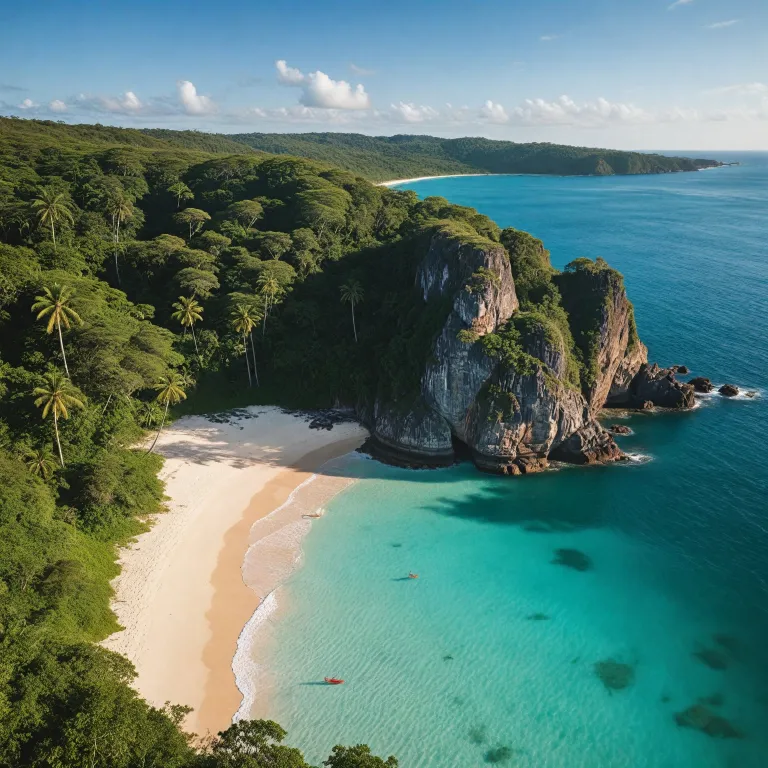
Ile Sainte Marie in Madagascar offers a rare balance between wild nature and refined comfort. This long tropical island, also called Nosy Boraha, stretches along the northeast coast and faces the Indian Ocean with beautiful beach after beautiful beach. Travellers planning a trip here often combine the main island with the tiny satellite of aux Nattes, creating an itinerary that feels both intimate and expansive.
Reaching this island Madagascar sanctuary usually involves a domestic flight from Antananarivo or Toamasina, then a short transfer by road or ferry. The ferry crossing from Soanierana Ivongo takes hours, yet the approach to the island ile coastline, with its palms and traditional pirogues, sets the tone for a slower rhythm. Many guests choose to arrive by air and depart by ferry, turning transport into a scenic part of their travel story.
Ambodifotatra, the main town of marie ile Sainte, is a practical base for the first night, especially after a long travel day. From here, drivers can take you north ile or south along the coastal track, where each beach feels more secluded than the last. Luxury and premium hotel options are scattered rather than concentrated, so planning your itinerary in advance is essential for a good balance between relaxation and exploration.
For travellers seeking a curated experience, a detailed travel guide focused on ile Sainte and aux Nattes helps align expectations with reality. Distances may look short on a map of island Madagascar, yet the wild tracks and occasional rain mean transfers sometimes take hours. This slower pace rewards those who appreciate authenticity, local encounters, and the feeling of being far from conventional resort corridors.
Choosing the best luxury and premium hotel for your island stay
Selecting the best hotel on ile Sainte Marie requires more than scanning photos of a beautiful beach. The island’s geography, from Ambodifotatra to the north ile and down to the channel facing aux Nattes, shapes how you will experience each night and each day. Before booking, decide whether you prefer easy access to activities or a more secluded marie nosy Boraha retreat.
On the southern tip, facing ile aux Nattes, properties such as Princesse Bora and Bora Lodge combine refined design with direct lagoon access. This area of marie ile Sainte offers quick boat crossings to aux Nattes ile, where powder sand and shallow waters create a natural swimming pool. Guests who value calm evenings often choose to sleep on the main island and visit the smaller island during the day, returning to their hotel for a quiet night under the stars.
Further along the coast, some luxury addresses focus on wellness, with spa pavilions, fresh seafood menus, and curated excursions to wild coves. When comparing hotel manager profiles and service philosophies, travellers can consult specialised resources such as this guide to luxury and premium hotel booking websites in Madagascar. This helps align expectations about personalised service, sustainability commitments, and the style of hosting you prefer.
For those planning longer travel, splitting the itinerary between the main island Madagascar coast and aux Nattes creates variety without constant packing. Spend several nights in a refined eco property near the pirate sites, then move to a more intimate lodge near the north ile reefs. In every case, confirm transfer times, as some routes by road or boat still take hours, especially after heavy rain.
History, nature, and whale watching around nosy Boraha
Ile Sainte Marie, or nosy Boraha, carries a layered history that enriches any trip focused on more than just a beautiful beach. In the seventeenth and eighteenth centuries, pirates such as Adam Baldridge, William Kidd, and Olivier Levasseur used this island Madagascar outpost as a strategic base. Today, the Pirate Cemetery near Ambodifotatra offers a tangible link between marie nosy legends and the calm tropical island you see before you.
The island area covers roughly 222 km², with lush vegetation fed by generous annual rainfall. This climate supports a mosaic of habitats, from mangroves and coral reefs to wild interior forests where orchids and endemic species thrive. Conservation initiatives aim to protect these ecosystems while allowing travellers to enjoy guided walks, respectful whale watching, and low impact diving.
During the dry season, the channel between ile Sainte and the mainland becomes a corridor for migrating humpback whales. Whale watching excursions depart from several hotel jetties, often combining marine interpretation with views of the distant national park landscapes on Madagascar’s coast. Guides emphasise distance rules and engine etiquette, ensuring that encounters remain ethical and aligned with eco tourism principles.
Marine life around the island ile includes coral gardens, turtles, and colourful reef fish, making diving and snorkelling popular additions to any itinerary. Some operators offer combined travel packages that include nights on the main island and on aux Nattes ile, with boat transfers timed around tides and weather. As always, check how long each crossing takes, because even short distances can take hours when the sea is rough or the schedule is limited.
Designing a thoughtful itinerary across ile Sainte, aux Nattes, and the mainland
A refined itinerary for ile Sainte Marie often starts on the mainland, with a night in Toamasina or Tamatave before continuing north. From there, travellers either fly to the island or drive to Soanierana Ivongo for the ferry, which sometimes takes hours depending on sea conditions. Planning buffer time protects your trip from delays and ensures that your first evening on the island feels relaxed rather than rushed.
Once on marie ile Sainte, many guests spend the first two nights near Ambodifotatra to explore historical sites and adjust to the island rhythm. A visit to the Pirate Cemetery, combined with a stroll through the harbourfront, connects the modern travel experience with centuries of maritime history. From here, you can head south toward aux Nattes, stopping at quiet coves and beautiful beach stretches along the way.
Aux Nattes ile, also known as ile aux Nattes, rewards slow exploration on foot or by traditional pirogue. With no cars and only sandy paths, this small island feels like a distilled version of island Madagascar life. Many travellers choose two or three nights here, waking early for sunrise swims and ending the day with simple, elegant dinners facing the lagoon.
For those combining national park visits on the mainland with island stays, it is wise to cluster activities by region. You might explore a rainforest reserve near Tamatave, then continue to nosy Boraha for marine and coastal experiences, keeping transfers efficient. For more nuanced inspiration, guest narratives on guest stories about luxury and premium hotel booking experiences in Madagascar can help refine your own route.
Experiencing beaches, diving, and wild coastal beauty in comfort
The coastline of ile Sainte Marie alternates between sheltered lagoons and wild ocean facing stretches, giving travellers a wide choice of beach settings. On the east, waves break more strongly, while the west and the channel toward aux Nattes offer calmer waters and long, beautiful beach arcs. Many luxury hotels position themselves where reef and lagoon meet, allowing guests to swim safely while still hearing the ocean’s distant roar.
Diving around the island ile reveals coral gardens, drop offs, and occasional encounters with pelagic species. Several operators based near Ambodifotatra and the south channel offer guided diving and snorkelling, with equipment suited to both beginners and experienced guests. When planning your itinerary, consider alternating active days on the water with quieter nights focused on spa treatments, reading, or private dinners on the sand.
Whale watching remains a highlight of many trips to nosy Boraha, especially when combined with other marine activities. Some hotels coordinate early morning departures, returning in time for a late breakfast and a leisurely day by the pool or on the beach. This rhythm allows you to enjoy the best of island Madagascar nature without feeling rushed or over scheduled.
Even away from formal excursions, simple walks along the shore reveal the character of marie ile Sainte. Fishermen launch pirogues at dawn, children play near the waterline, and the light shifts constantly over the lagoon and the north ile headlands. These quiet moments, often just steps from your hotel, are where many travellers feel the essence of this tropical island most intensely.
Practical travel guide for luxury stays on nosy Boraha
A practical travel guide to ile Sainte Marie must address both comfort and logistics, especially for guests used to seamless service. While the island offers refined hotels such as Princesse Bora and Bora Lodge, infrastructure remains more rustic than in some other tropical island destinations. This contrast is part of the charm, yet it requires realistic expectations about transfer times, connectivity, and the pace of daily life.
Most premium hotels can arrange private transfers from the airport or ferry, which sometimes takes hours when traffic or weather intervene. Confirm these details before your trip, including whether your arrival night will be spent near Ambodifotatra or closer to aux Nattes. Clarifying such points ensures that your first night feels like the beginning of a holiday rather than a logistical puzzle.
For travellers combining marie nosy Boraha with other parts of Madagascar ile, it is wise to coordinate domestic flights and road journeys carefully. Distances between national park gateways, coastal towns like Tamatave, and the ferry port can be longer than they appear on a map. Working with a specialist in island Madagascar itineraries helps align your preferred level of comfort with the realities of local transport.
As one local expert notes, "Île Sainte-Marie is renowned for its pirate history and rich biodiversity, including whale watching opportunities." This dual identity, both historical and ecological, underpins the appeal of every hotel stay, from simple lodges to refined coastal retreats. With thoughtful planning, your time on ile Sainte and aux Nattes ile can balance luxury, authenticity, and a deep connection to this singular island.
Key figures about ile Sainte Marie and nosy Boraha
- The island area of ile Sainte Marie covers approximately 222 km² of land.
- The resident population of nosy Boraha is around 30 000 people.
- Annual rainfall on the island reaches close to 3 000 mm, supporting lush vegetation.
Essential questions for planning a trip to ile Sainte Marie
What is Île Sainte-Marie known for ?
Île Sainte-Marie is renowned for its pirate history and rich biodiversity, including whale watching opportunities. Travellers can visit the Pirate Cemetery near Ambodifotatra, then head out on guided whale watching excursions during the migration season. This combination of cultural heritage and marine life makes the island a distinctive destination within Madagascar.
How can one reach Île Sainte-Marie ?
The island is accessible via flights from Antananarivo and Toamasina, or by boat from Soanierana Ivongo. Many visitors choose to fly in and return by ferry, turning the sea crossing that sometimes takes hours into part of the travel experience. Whichever option you select, coordinating transfers with your hotel ensures a smooth arrival and departure.
What is the best time to visit Île Sainte-Marie ?
The best time to visit is during the dry season from May to October, which coincides with the whale migration period. During these months, sea conditions are generally calmer, making ferry crossings and marine excursions more comfortable. Luxury and premium hotels often reach higher occupancy then, so advance booking is recommended for the best choice of rooms.