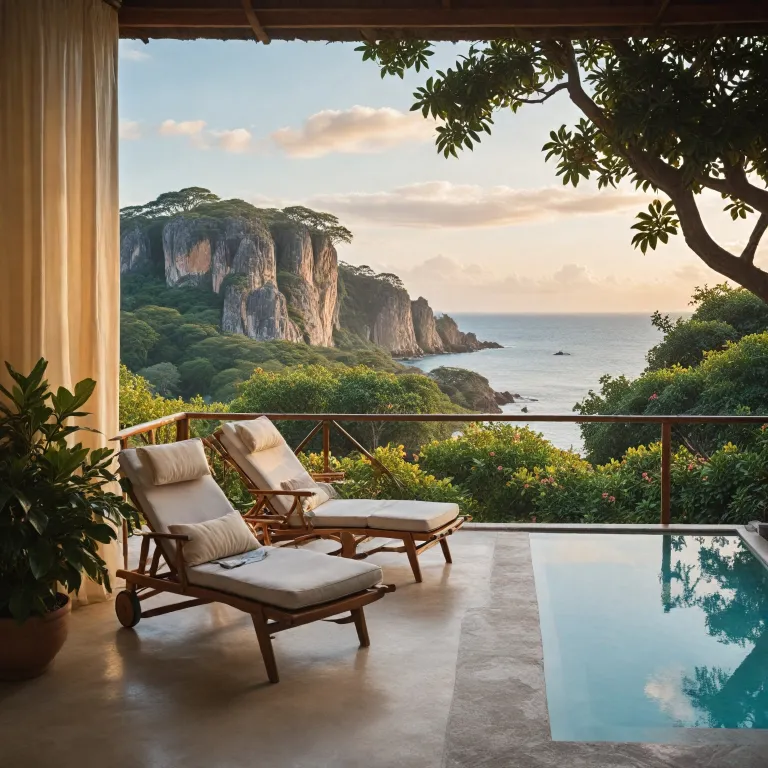
How the seasons shape the best time to go to Madagascar
Choosing the best time to go to Madagascar is essential when you want a seamless luxury stay. The island stretches across several climatic zones, so the season you select will influence every detail from flight reliability to the feel of your suite’s terrace at night. Understanding how the dry season and wet season alternate helps you align premium hotel bookings with the most comfortable temperatures and the most rewarding experiences.
For many travelers, the dry season between April and November is considered the best time, especially if you plan to visit Madagascar for wildlife and national park itineraries. During this period, average temperatures hover around a pleasantly warm 25 °C, and road conditions are usually good enough for private transfers between Antananarivo and coastal retreats. This dry season window from apr jun through jun jul and jul aug is particularly attractive for guests who value punctual domestic flights and smooth helicopter operations.
The wet season from december to march brings heavier rainfall, lush landscapes, and a more dramatic atmosphere across the island. While january march can still be a good time for guests who prioritize spa experiences and in-resort relaxation, the risk of cyclones and disrupted logistics increases. When you plan your time visit carefully, you can still find an excellent balance between value, serenity, and safety, especially if you coordinate with experienced concierges and local partners.
Month by month guide to the best time to go to Madagascar
Luxury travelers often want a precise calendar to define the best time to go to Madagascar for specific interests. From wildlife photography to private yacht charters, each month offers a different mood, and aligning your visit with these nuances ensures a good time in both singular and group trips. A month by month approach also helps you secure the best suites before peak dates fill up.
From mar apr and apr jun, the dry season gradually establishes itself, making this a good time to visit Madagascar for guests who enjoy quieter resorts and fresh green landscapes. By june and july, the air is cooler, the skies are clearer, and many consider jun jul and jul aug the best time for combining national park excursions with high end coastal stays. These months are excellent for guests who want comfortable daytime temperatures and crisp evenings ideal for fine dining on panoramic decks.
As you move into aug sep and sep oct, the island remains in the dry season, and this period is often rated as an excellent time visit for both couples and families. The combination of stable weather and active wildlife makes it easy to plan multi stop itineraries that link Antananarivo with remote lodges and marine reserves. When you read detailed climate charts and consult local experts, you can refine your october or november arrival to match your exact expectations.
Balancing dry season comfort and wet season value for premium stays
For many guests, the dry season from april october defines the best time to go to Madagascar for a first visit. Clear roads, reliable transfers, and comfortable temperatures make it easier to enjoy both the capital and the coast without compromising on comfort. This is especially important when you book premium suites, where outdoor lounges and infinity pools are central to the experience.
However, the wet season from december to march can still be a good time for certain travelers, particularly those who value privacy and softer pricing. During january feb and feb mar, some luxury properties offer attractive packages that include extended spa rituals, private dining, and curated cultural experiences within the resort. If your priority is to relax rather than to visit every national park, this wet season atmosphere can feel intimate and indulgent.
Within the dry season, each sub period has its own character, and understanding these nuances helps you define your personal best time. Early apr jun and late oct nov can be excellent for avoiding the busiest weeks while still enjoying dry conditions and mild temperatures. When you plan to visit Madagascar with a focus on both value and comfort, combining expert advice with flexible dates often leads to the best overall experience.
Wildlife, national parks, and the best time to go to Madagascar
For travelers who prioritize wildlife, the best time to go to Madagascar usually aligns with the dry season, when trails are more accessible. Madagascar National Parks manages many of the island’s most important reserves, and their guidance consistently highlights the advantages of visiting between april and november. This is when you can combine luxury lodges with immersive excursions without sacrificing comfort or safety.
During jun jul and jul aug, lemurs are often easier to spot, and birdlife is particularly active in several national park areas. These months are an excellent time visit for photographers who want clear light, manageable temperatures, and reliable access to remote sites. If you plan your time visit around aug sep or sep oct, you can often enjoy a good balance between wildlife sightings and quieter trails.
Even in the shoulder periods like mar apr and oct nov, you can still have a good time exploring reserves while returning each evening to refined comfort. The key is to read current wildlife activity reports and coordinate with specialist guides who understand both the terrain and the expectations of high end guests. “The dry season from April to November offers the best wildlife viewing opportunities.”
Aligning luxury hotel bookings with regional climates across Madagascar
Because Madagascar spans several climatic zones, the best time to go to Madagascar for a luxury stay depends on which region you choose. The eastern rainforests tend to be humid year round, while the central highlands around Antananarivo enjoy more temperate conditions and the southwest remains relatively arid. When you plan to visit Madagascar, matching your preferred season to the right region ensures that your hotel environment feels perfectly aligned with your expectations.
In the highlands, jun jul and jul aug can feel cool in the evenings, which many guests find excellent for sleeping in plush bedding. Coastal areas in the west and north remain warmer, so aug sep and sep oct are often considered a best time for combining beach relaxation with marine excursions. If you are sensitive to heat, planning your time visit during these months can provide a good time without excessive humidity.
For travelers who favor wellness and spa focused stays, mar apr and apr jun can be particularly appealing, as the transition into the dry season brings comfortable temperatures and lush scenery. When you read detailed regional forecasts and consult concierges, you can refine whether october, november, or even early december suits your preferences. For deeper planning insights on spa oriented itineraries, you can explore this guide to a luxury and premium hotel booking website in Madagascar elevating your island escape with tailored spa experiences.
Practical planning tips for choosing your own best time to go to Madagascar
Transforming climate data into a concrete booking decision is essential when you want the best time to go to Madagascar to match your personal style. Start by clarifying whether your priority is wildlife, beaches, cultural immersion, or simply enjoying your suite and spa. Once you know your focus, you can map it against the dry season and wet season to identify your ideal window.
If wildlife and national park visits are central, aim for the core dry season between apr jun and sep oct, when trails are firm and temperatures are comfortable. For guests who prefer quieter resorts and potential value, shoulder periods like mar apr, oct nov, and even nov dec can be an excellent time visit. Those who enjoy dramatic skies and lush vegetation might still consider january march, but should remain flexible due to possible travel disruptions.
Always read current travel advisories, as “the rainy season from December to March can bring cyclones and heavy rainfall, leading to travel disruptions.” Use online weather forecasts and real time wildlife sighting reports to fine tune your time visit, especially if you are planning complex itineraries with multiple internal flights. By coordinating closely with trusted local partners and your chosen luxury and premium hotel booking website in Madagascar, you can secure the best rooms and ensure every segment of your journey aligns with the season you have selected.
Key statistics for planning the best time to go to Madagascar
- Average temperature during the dry season across much of Madagascar is around 25 °C, which many travelers consider ideal for combining outdoor excursions with luxury hotel comfort.
- Typical annual rainfall during the rainy months can reach approximately 1 500 mm in some regions, significantly affecting road conditions and the reliability of overland transfers.
- The dry season generally extends from April to November, while the wetter months from December to March require more flexible planning and careful coordination with local operators.
Essential questions about the best time to go to Madagascar
What is the best time to visit Madagascar for wildlife viewing?
The most reliable period for wildlife viewing is the dry season, which runs roughly from April to November across much of Madagascar. During these months, trails are more accessible, vegetation is less dense, and animals often concentrate around remaining water sources. This combination makes it easier for expert guides to plan full day excursions that still allow you to return to your luxury lodge or coastal retreat before nightfall.
Are there any travel advisories for Madagascar during the rainy season?
During the rainy season, which usually spans from December to March, travelers should pay close attention to official advisories and local updates. Heavy rainfall and occasional cyclones can disrupt domestic flights, damage roads, and temporarily limit access to certain national parks or coastal areas. Working with experienced local operators and monitoring conditions shortly before departure helps you adjust your itinerary while maintaining the comfort level you expect from premium properties.
How does the climate vary across different regions of Madagascar?
Climate conditions differ markedly between regions, which is important when you are selecting where and when to stay. The eastern side of the island is dominated by humid rainforests, the central highlands around Antananarivo are more temperate, and the southwest tends to be arid with many sunny days. Understanding these contrasts allows you to choose a region whose seasonal pattern aligns with your preferences for temperature, rainfall, and the style of luxury experience you want to enjoy.