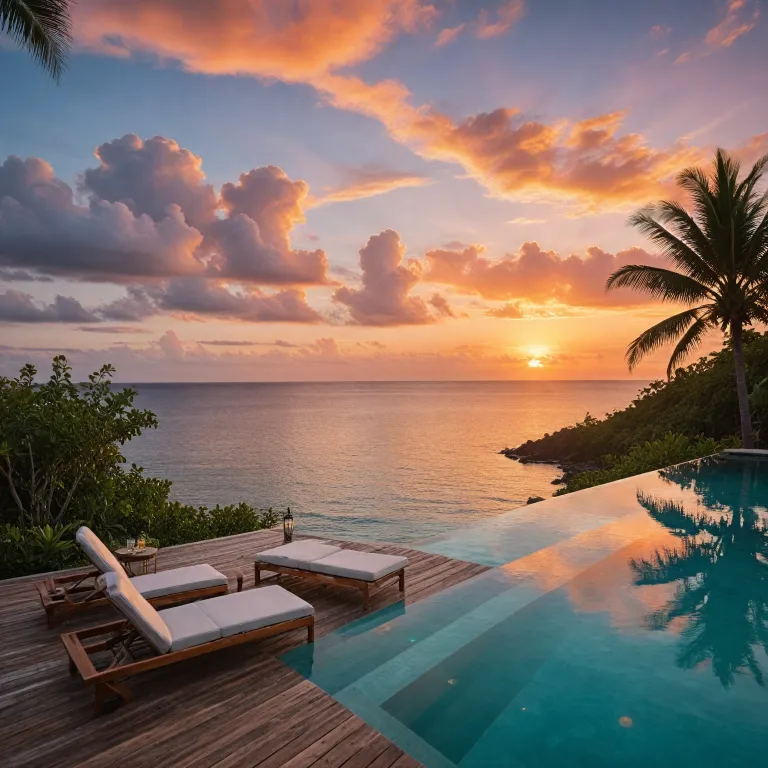
Why Île de Sainte‑Marie Madagascar captivates luxury travelers
Île de Sainte‑Marie Madagascar offers a rare blend of history, lagoon scenery, and discreet elegance. This slender tropical island stretches for about 49 km, with calm waters on the west and wilder swells to the east that shape its character. Travelers seeking a refined hotel on a quiet island will find an atmosphere that feels intimate yet culturally rich.
The main town of Ambodifotatra anchors the island Madagascar experience, with its small port, market, and church facing the bay. From here, you sense how the marie island community balances tourism with traditional fishing and clove cultivation, which gives Sainte Marie a gentle, authentic rhythm. Local Malagasy inhabitants welcome visitors warmly, and respectful travel brings direct benefits to families who have lived on this marie ile for generations.
Historically, this island Madagascar coast was a haven for pirates who sought shelter in its coves and channels. The famous pirate cemetery near Ambodifotatra is a poignant reminder of that era, and it remains one of the best known historical sites on any island ile in the region. Many travelers combine a visit to the pirate cemetery with a walk along the nearby beach and a lunch of fresh seafood.
Today, Île Sainte‑Marie Madagascar is equally renowned for whale watching and serene coastal stays. “Île Sainte-Marie is known for historical pirate settlements and whale watching.” This dual identity makes the island ideal for a trip that mixes cultural depth, marine life, and the comfort of a carefully chosen hotel.
Planning a premium stay on Île Sainte‑Marie and Île aux Nattes
Thoughtful planning is essential when arranging a luxury trip to Île de Sainte‑Marie Madagascar. Access to the island is usually by air travel via Sainte‑Marie Airport or by boat from the mainland, often via Tamatave on the east coast. Once you arrive, the narrow shape of the marie island means that every hotel sits relatively close to a beach or lagoon, but transfer times and tides still matter.
Many travelers pair a stay on the main marie madagascar coastline with time on tiny Île aux Nattes at the southern tip. This circular nattes ile is ringed by shallow natural pools and coral gardens, making it one of the most beautiful corners of any island Madagascar lagoon. When planning your itinerary, consider at least two nights on Île Sainte and two nights on Île aux Nattes to appreciate both atmospheres fully.
On the main island ile, you will find refined lodges hidden among coconut groves, including addresses such as Bora Lodge that focus on privacy and tailored service. Across the channel, the more rustic charm of aux Nattes invites barefoot walks along the beach and slow afternoons in hammocks. For a structured overview of options, a refined travel guide to luxury island stays on Sainte Marie can be found through this dedicated Sainte Marie luxury guide.
Because the island length is significant, choosing whether to base yourself in the north, central, or south part of the marie ile will shape your daily experiences. The north ile offers quieter coves and easy access to whale watching excursions, while the central coast is convenient for markets and boat departures to aux Nattes. Align your hotel choice with your priorities, whether that is diving, cultural visits, or simply enjoying a peaceful beach.
Seasonality, whale watching, and crafting a thoughtful itinerary
Timing your trip to Île de Sainte‑Marie Madagascar is crucial for both comfort and wildlife encounters. The island’s dry season, typically from May to October, brings calmer seas, clearer skies, and the best conditions for marine excursions. During this period, humpback whales migrate along the east coast of Madagascar ile, turning the surrounding waters into a natural amphitheater.
Whale watching on this island ile is carefully regulated, and reputable operators maintain respectful distances while still offering moving encounters. Many luxury hotel teams coordinate directly with licensed skippers, ensuring that your itinerary aligns with the best times of day and sea conditions. For couples, combining a few days of whale watching with a romantic stay on aux Nattes or a secluded marie island cove creates a memorable honeymoon style escape.
Those planning a longer travel route through island Madagascar often combine Sainte Marie with Nosy Be or other northern archipelagos. If you are considering a wider honeymoon or anniversary trip, you can gain inspiration from this curated guide to Madagascar honeymoon escapes for a perfect island romance. Linking Île Sainte with another tropical island in the north allows you to compare different beaches, coral reefs, and hotel styles.
Beyond whales, the dry season is also ideal for diving and snorkeling in the natural pools that fringe aux Nattes and the lagoon side of the main marie madagascar coast. Visibility is usually better, and currents are more manageable for less experienced swimmers. When building your itinerary, allow rest days between active excursions so that you can enjoy your hotel’s spa, pool, or quiet beach without rushing.
Choosing the right luxury hotel and room type on Sainte Marie
Selecting the best hotel on Île de Sainte‑Marie Madagascar involves more than comparing star ratings. On this elongated island ile, orientation to sunrise or sunset, proximity to a swimmable beach, and access to a jetty for boat trips can transform your stay. Many premium properties are intimate in scale, so early booking is wise, especially during the peak whale watching months.
On the main marie island, some hotels sit near Ambodifotatra for convenient access to shops and the pirate cemetery, while others hide along quieter stretches of sand. Bora Lodge and similar retreats often offer bungalows facing the lagoon, where you can hear the tide and watch traditional pirogues glide past. On aux Nattes, accommodation tends to be even closer to the water, with some rooms opening directly onto natural pools or reef‑sheltered shallows.
When evaluating room categories, consider whether you prefer a beach level suite or an elevated unit with wider views of the tropical island coastline. Families may appreciate interconnecting rooms or villas, while couples often choose standalone bungalows for privacy and direct access to the beach. Ask how each hotel manages tides, sea grass, and coral underfoot, because these details affect daily swimming and snorkeling comfort.
Service style is another key factor for discerning travelers choosing a marie madagascar retreat. Some properties emphasize barefoot luxury with relaxed dining schedules, while others provide more formal multi course dinners and curated wine lists. Clarifying your expectations in advance will help your chosen hotel tailor excursions, from diving and island picnics to guided visits of the pirate cemetery and nearby villages.
Experiences beyond the beach: culture, nature, and day trips
Although the beaches of Île de Sainte‑Marie Madagascar are a major draw, the island offers far more than sun loungers and cocktails. A guided walk through Ambodifotatra reveals colonial era architecture, small churches, and markets where local families sell spices, fruit, and handicrafts. Visiting respectfully, with a local guide, deepens your understanding of how the marie ile community balances tourism with daily life.
The pirate cemetery remains one of the most evocative sites on the island Madagascar coastline, with weathered tombstones overlooking the channel. Many travel itineraries combine this visit with a boat trip along the sheltered west coast, where you can stop at small coves for swimming in natural pools. During the right season, you may even glimpse humpback whales further offshore, adding a dramatic element to an otherwise gentle day.
Active travelers can arrange diving excursions to explore coral gardens and drop offs around the north ile and the channel near aux Nattes. Conditions vary, so experienced operators will advise on the best sites for your skill level and the day’s currents. Snorkeling is excellent in several shallow areas, particularly around nattes ile, where the reef protects the lagoon and creates calm, clear water.
Some visitors like to combine Sainte Marie with a mainland national park to experience Madagascar ile’s forests and wildlife. While there is no large national park on the island itself, tour operators can help you link your stay with reserves accessible from Tamatave or other coastal hubs. This combination of marine and forest ecosystems gives your trip a richer ecological dimension while still centering your nights in a comfortable hotel.
Linking Sainte Marie with other Madagascar islands and practical tips
For travelers designing a broader island Madagascar journey, Île de Sainte‑Marie fits beautifully into a multi stop itinerary. Many visitors pair this marie island with Nosy Be or other northern archipelagos, creating a contrast between the quieter east coast and livelier resort areas. For ideas on high end stays further north, consult this guide to Nosy Be luxury hotels and exceptional stays.
When moving between islands, factor in flight schedules, potential overnight stops in Tamatave, and the need for flexible timing during the rainy season. Sea conditions can affect boat transfers to and from Île Sainte, so your hotel and local partners will help adjust plans if necessary. Building a small buffer into your itinerary protects your trip from unexpected delays and keeps the overall experience relaxed.
Practical details also shape the comfort of your stay on this tropical island. The local currency is the Malagasy Ariary, and cash is useful because card facilities can be limited outside larger hotels. French is widely spoken, but learning a few Malagasy greetings is appreciated by staff and residents across both Sainte Marie and aux Nattes.
Responsible travel choices help preserve the beauty of the marie madagascar coastline and its marine life, including humpback whales. Choose operators who respect whale watching guidelines, avoid touching coral while diving, and minimize plastic use on the beach. In doing so, you support the long term health of this unique island ile and ensure that future travelers can enjoy the same tranquil, beautiful setting.
Key statistics for planning your stay on Île Sainte‑Marie
- Approximate island length of Île Sainte‑Marie : 49,2 km from north to south.
- Approximate maximum island width : around 7 km at its broadest point.
- Population of the commune historically recorded at over 16 000 inhabitants.
- Best period for comfortable weather and marine excursions : generally May to October.
Essential questions about Île de Sainte‑Marie Madagascar
What is Île Sainte‑Marie known for ?
Île de Sainte‑Marie Madagascar is renowned for its historical pirate settlements and atmospheric pirate cemetery overlooking the channel. The island is equally famous for seasonal whale watching, when humpback whales migrate along the east coast and can be observed from boats or even from shore. This combination of maritime history and marine life makes the island a distinctive destination within Madagascar ile.
How do you get to Île Sainte‑Marie ?
Travelers usually reach the island by domestic flight to Sainte‑Marie Airport from Antananarivo or other hubs, or by boat from the mainland. Some routes pass through Tamatave on the east coast, which serves as a logistical gateway for both cargo and passenger services. Your hotel or travel guide can coordinate transfers so that your arrival on the marie island is as smooth and efficient as possible.
When is the best time to visit Île Sainte‑Marie ?
The most comfortable period for a trip to Île de Sainte‑Marie Madagascar is during the dry season, typically from May to October. During these months, rainfall is lower, sea conditions are calmer, and visibility for diving and snorkeling in natural pools is usually better. This season also coincides with the prime whale watching window, making it ideal for travelers seeking both marine encounters and relaxed days on the beach.
Trustful expert sources for further reading :
Lonely Planet
Bradt Guides
Rough Guides