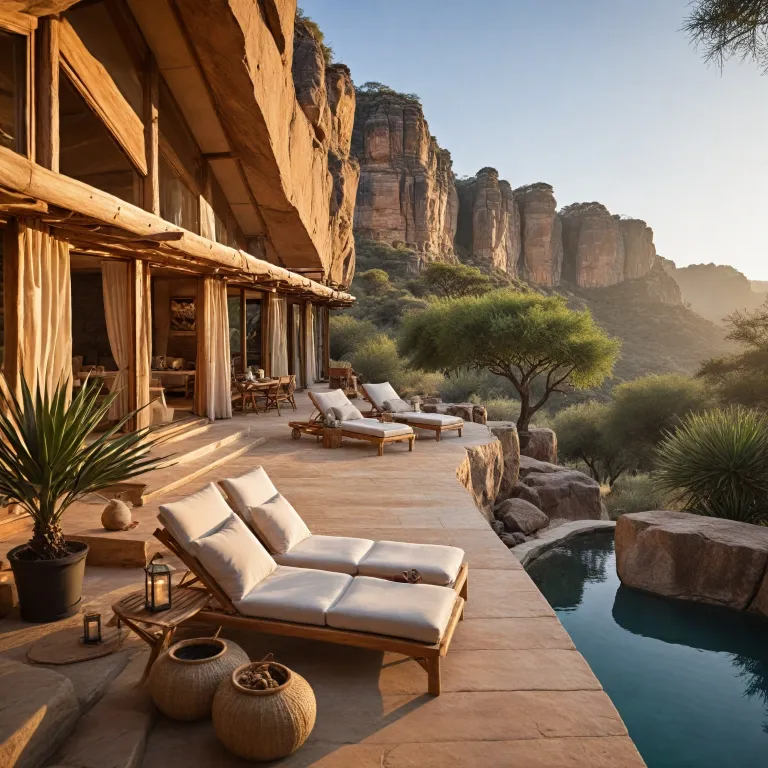
Isalo national park Madagascar for luxury focused travelers
Isalo national park Madagascar offers a rare blend of wilderness and comfort. Within this protected national landscape, sandstone formations rise above golden savanna and frame deep canyons that feel almost cinematic. For travelers seeking a premium hotel near the park, the contrast between rugged nature and refined service creates a compelling reason to stay longer.
The park lies near the small gateway town of Ranohira, where several luxury and premium hotel options cater to guests who value privacy, attentive staff, and curated experiences. These properties understand that people arriving from long journeys across the island want seamless logistics, from private transfers to prearranged hiking permits and a dedicated local guide. Many hotels coordinate directly with the Madagascar National Parks Association (PNM-ANGAP), which is responsible for the administration and management of Isalo National Park.
Isalo itself covers more than 800 km², with elevations that create varied microclimates and a surprisingly rich range of species. Within this national park, visitors can encounter lemurs, including ring tailed lemurs and the elegant Verreaux sifaka, alongside numerous bird and reptile species. Luxury travelers often appreciate that guided hikes can be tailored to fitness levels, photography interests, or a relaxed full day itinerary that balances activity with time at the hotel spa or pool.
The best time to visit this part of Madagascar is during the dry season, when trails are more accessible and temperatures are comfortable for a long hike. Premium hotels adjust their services to this seasonality, offering early breakfast for sunrise departures and refined dinners after a rewarding day in the canyons. This thoughtful alignment between park rhythms and hotel operations is central to a high end Isalo experience.
Choosing a luxury hotel base around Ranohira and Isalo
Selecting the right hotel near Isalo national park Madagascar shapes every aspect of your stay. In and around Ranohira, premium properties range from intimate lodges with panoramic rock views to larger resorts with extensive facilities and wellness areas. The most sought after addresses position rooms and suites to face the sandstone formations, allowing guests to watch the light change across the massif without leaving their terrace.
For many people, a key priority is effortless access to the national park entrance and to experienced hiking teams. High end hotels typically maintain close relationships with licensed local guide networks, ensuring that each hike into Isalo national or other nearby parks Madagascar is safe, informative, and paced to your preferences. Staff can arrange a full day hike, a gentle half day itinerary, or a private sunset walk to a scenic canyon des overlook.
Luxury properties in this part of Madagascar understand that the climate is often hot and dry, especially in the middle of the day. Thoughtful amenities such as shaded pools, misted terraces, and cool stone interiors help guests recover after exploring the park’s trails and rock corridors. Many hotels also provide reusable water bottles and encourage responsible use of resources, aligning comfort with eco friendly practices promoted by Madagascar national authorities.
Because Isalo is a flagship national park within the broader network of national parks Madagascar, demand for the best rooms can be strong during the best time months. Travelers who value specific views, private plunge pools, or family suites should reserve well in advance and share detailed preferences with the hotel. This allows the property to coordinate guides, transport, and even special access sunrise or sunset experiences that elevate a standard stay into a memorable luxury journey.
Designing refined hiking experiences in Isalo’s sandstone landscapes
Hiking in Isalo national park Madagascar can be tailored to match both adventure levels and comfort expectations. The park is renowned for its sandstone formations, sculpted by wind and water into arches, pinnacles, and natural amphitheaters that glow at sunrise and sunset. A skilled guide will help you navigate these rock mazes while sharing insights into geology, endemic plants, and the cultural stories of the Bara people who have long lived around the massif.
Many luxury travelers opt for a full day hike that combines scenic viewpoints, wildlife watching, and time at the iconic piscine naturelle. This natural pool, fed by a clear stream and framed by lush vegetation, offers a refreshing pause during a dry season walk through otherwise arid terrain. Hotels often prepare gourmet picnic baskets, allowing guests to enjoy refined meals in carefully chosen, shaded spots within the national park.
Shorter day hikes are also possible, ideal for people who prefer to return to their hotel by early afternoon for spa treatments or relaxed pool time. A typical day itinerary might include an early start from Ranohira, a mid morning arrival at a canyon des trailhead, and a gradual loop that passes through lemur rich forest patches. Along the way, your guide may point out ring tailed lemurs, red fronted brown lemurs, and other lemur species that move between the trees and the rock ledges.
Because the climate in this part of Madagascar is predominantly dry, with strong sun and limited shade on some ridges, premium hotels emphasize proper preparation. They provide detailed briefings about trail difficulty, expected temperatures, and the importance of carrying sufficient water for every hike. This combination of expert guidance and hotel support ensures that even demanding routes feel manageable and enjoyable for guests who value both safety and comfort.
Wildlife, culture, and the emotional impact of Isalo
Beyond its dramatic rock scenery, Isalo national park Madagascar offers intimate encounters with wildlife that resonate long after the trip ends. The park shelters several lemur species, including the charismatic ring tailed lemurs that often bask on warm stones in the early morning. With patience and a knowledgeable guide, visitors may also observe Verreaux sifaka and red fronted brown lemurs moving gracefully through gallery forests along seasonal streams.
These forests and canyons form part of a wider network of national parks Madagascar, which collectively protect some of the island’s most threatened habitats. Many luxury travelers combine Isalo with a stay near Ranomafana national park, where humid rainforest contrasts sharply with Isalo’s dry savanna and sandstone formations. This pairing highlights the extraordinary ecological range of Madagascar national landscapes within a single journey.
The human presence around Isalo is equally significant, particularly the Bara people who maintain strong cultural ties to the massif. Certain canyons and rock faces hold ancestral tombs and sacred sites, and responsible guides explain appropriate behavior and photography etiquette. By choosing hotels and tour operators that respect these traditions, guests help ensure that tourism revenue supports local communities and reinforces cultural continuity.
For many people, the emotional impact of walking through Isalo’s canyons, watching lemurs at close range, and listening to stories from local guides is profound. The contrast between the harsh dry environment and the fragile life it supports creates a sense of privilege and responsibility. Luxury and premium hotels increasingly integrate this awareness into their narratives, emphasizing conservation, community partnerships, and low impact practices as essential elements of a truly refined stay.
Planning your stay: seasons, logistics, and multi park itineraries
Thoughtful planning is essential to fully enjoy Isalo national park Madagascar while staying in comfort. The best time to visit is during the dry season, when trails are less slippery and river levels are manageable for a long hike. During these months, temperatures are still warm but more pleasant for a full day itinerary that includes both viewpoints and shaded rest stops.
Most visitors arrive via road, often as part of a broader route that links several national parks Madagascar along the island’s spine. A common pattern is to travel between Ranomafana national park and Isalo, then continue toward the coastal regions or onward to other Madagascar national highlights. Premium hotels in Ranohira can coordinate private drivers, ensuring smooth transfers and timely arrivals for afternoon walks or sunset views over the rock plateaus.
Because Madagascar is a large island with varied climates, combining Isalo with a luxury island extension can create a balanced itinerary. Many travelers pair the dry, canyon rich landscapes of Madagascar Isalo with a refined stay on the east coast, using a specialist resource such as a refined guide to luxury island stays to plan the coastal segment. This contrast between inland national parks and tranquil beaches allows people to experience both adventure and relaxation within a single journey.
Within Isalo itself, a typical stay of three to four day periods allows time for multiple hikes, wildlife watching, and unhurried enjoyment of hotel facilities. Guests can schedule one demanding full day hike, one moderate walk to the piscine naturelle, and a shorter canyon des exploration focused on photography. By aligning these activities with the best time weather window and the guidance of experienced local teams, travelers ensure that every day in the park feels purposeful yet indulgent.
Eco luxury, conservation, and the future of premium stays in Isalo
Luxury and premium hotels around Isalo national park Madagascar increasingly position themselves as partners in conservation rather than mere observers. Many collaborate closely with the Madagascar National Parks Association and local communities to support monitoring programs, habitat restoration, and education about endemic species. This approach reflects a broader shift in parks Madagascar, where high end tourism is seen as a tool for long term protection of fragile ecosystems.
Eco conscious travelers often ask how their stay contributes to safeguarding lemurs, birds, and other species that depend on the park’s dry forests and canyons. Leading properties respond with transparent information about their support for lemur species research, anti poaching patrols, and community projects among the Bara people. Some hotels also train staff as interpretive hosts, able to explain why ring tailed lemurs, red fronted brown lemurs, and Verreaux sifaka are indicators of ecosystem health.
Within the park, conservation programs focus on maintaining the integrity of sandstone formations, water sources, and key wildlife corridors. Visitor numbers are managed to reduce pressure on sensitive areas such as the piscine naturelle and the canyon des circuits, while still allowing people to appreciate these iconic sites. Guided routes are periodically adjusted to protect nesting birds, rare plants, and other vulnerable species that make Madagascar Isalo unique.
For guests, the most tangible expression of eco luxury often appears in small details at the hotel, from solar powered lighting to low water landscaping that suits the dry climate. When combined with refined cuisine, attentive service, and expertly guided hikes into Isalo national, these measures create a stay that feels both indulgent and ethically grounded. As awareness grows, the future of premium travel in this national park will likely depend on deepening these partnerships between hotels, communities, and conservation authorities.
Key statistics for Isalo national park Madagascar
- Protected area size of approximately 815.4 km² within the Isalo massif.
- Elevation range of about 514 m, creating varied habitats and viewpoints.
- Average annual temperature close to 21.8 °C in the park region.
- Average annual rainfall around 791 mm, with a pronounced dry season.
- Recorded annual visitors exceeding 32,700 people in a recent count.
- Home to roughly 82 bird species, 33 reptile species, and 14 mammal species.
- At least 3 lemur species present, including ring tailed lemurs and Verreaux sifaka.
Essential questions about visiting Isalo national park Madagascar
What is the best time to visit Isalo National Park ?
The best time to visit is during the dry season, from April to October, when the weather is cooler and trails are more accessible. During these months, river crossings are easier, viewpoints are less affected by mist, and long hikes feel more comfortable. Luxury and premium hotels often tailor their activity schedules and special offers to this period, ensuring guests enjoy optimal conditions in the national park.
Are there guided tours available in Isalo National Park ?
Yes, hiring a local guide is mandatory for park entry, and they can be arranged in Ranohira. Premium hotels usually prebook trusted guides who are familiar with both demanding and gentle routes, from canyon des circuits to relaxed walks to the piscine naturelle. This arrangement ensures that every hike in Isalo national is safe, informative, and aligned with each guest’s fitness level and interests.
What wildlife can be seen in Isalo National Park ?
Visitors can see species like the ring-tailed lemur, Verreaux's sifaka, and various endemic birds and reptiles. With patience and a knowledgeable guide, it is often possible to observe several lemur species in a single day, especially near forested ravines and water sources. Birdwatchers will also appreciate the diversity of species that inhabit the sandstone formations, dry scrub, and gallery forests throughout this remarkable national park.