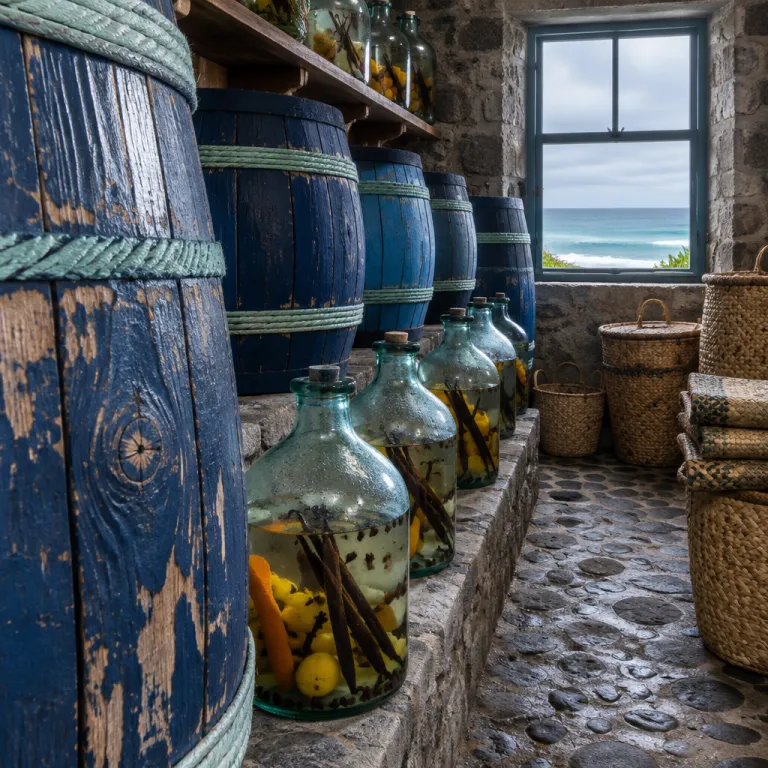
From household ritual to madagascar rhum arrange lodge signature
Across Madagascar, a glass of rhum arrangé quietly frames the end of the day. This cane spirit infused with vanilla, citrus, spices or forest bark sits on many sideboards, ready to welcome friends and family with something both warming and precise. In the luxury lodge world, that same rhum arrangé ritual is being reimagined as a curated cellar that anchors estate dining and gives solo travelers a direct line into traditional Malagasy hospitality.
At its core, rhum arrangé is unaged rum left to macerate with local ingredients for at least several weeks. On the coast near Nosy Be or Sainte Marie island, that might mean green vanilla pods, lychee, pineapple or cacao nibs, while in Fort Dauphin the infusions lean toward wild pepper, cinnamon and coastal citrus. A thoughtful madagascar rhum arrange lodge will list the exact origin of each ingredient, turning a simple digestif into a map of regions, seasons and producers that you can explore glass by glass.
For the independent traveler, this matters because provenance has become the new luxury. You are not just tasting rum; you are tasting the Sava region’s vanilla, the east coast’s citrus, or sugar cane grown a short drive from the lodge. When a restaurant bar team can talk you through how long each jar has been making rhum, how often they rotate stock and which infusions pair with which dishes, you feel the difference between a gimmick and a programme built with care. Many Malagasy bartenders learn these techniques from family recipes, then adapt them for lodge service, which is why the best lists feel both personal and precise.
Estate dining, provenance and the rise of the rhum arrangé cellar
In Antananarivo, luxury hotels have started to treat rhum arrangé with the same seriousness as wine. A well run property in the capital might offer a pre dinner tasting flight, moving from a bright citrus infusion to a deeper vanilla and clove version, each paired with small bites that echo traditional Malagasy flavors. If you are planning a stay, look for a madagascar rhum arrange lodge or boutique hotel that lists its infusions alongside its wine by the glass, rather than hiding them at the back of the drinks list.
Estate dining is where this trend becomes most compelling for the solo explorer. On the east coast, lodges that partner with vanilla estates in Sava or clove plantations near Sainte Marie can arrange a day visit to meet smallholder farmers, then serve a dinner where every course references those same ingredients. One property might pour a vanilla and combava rhum arrangé with grilled lobster, while another in Antananarivo pairs a pepper and cacao infusion with zebu carpaccio and a glass of high altitude wine from South Africa.
When you read about luxury stays in Antananarivo on a specialist capital city hotel guide, pay attention to how they describe their restaurant bar programmes. Do they mention working directly with growers, or tracking harvests from June to January and then from January to December for different fruits? Do they explain how long each rhum arrangé spends infusing, usually at least an hour to prepare the jars and then many weeks to mature, or do they simply list “house rum” without context? Those details signal whether a lodge is serious about provenance, and they echo recommendations from Malagasy tourism bodies that encourage transparent sourcing.
Island lodges, sakatia lodge and the indian ocean rhum arrangé arc
On the northwest coast, the small island of Nosy Sakatia has become a quiet reference point for travelers who care about both marine life and flavour. Properties such as Sakatia Lodge, known primarily for scuba diving and encounters with green turtles, now treat their rhum arrangé shelves as seriously as their dive centre compressors. After a long dive day over coral gardens, many guests move naturally from the water to the bar, where jars of amber liquid line the wall like a liquid library of the island.
A considered madagascar rhum arrange lodge in this part of the Indian Ocean will often link its infusions to the sea you have just explored. A citrus and ginger rhum arrangé might be suggested after a morning dive with green turtles, while a vanilla and coffee version appears after a night dive when the reef feels more secretive. The best teams understand that solo travelers, couples, families and larger groups all engage differently; they might offer a short one hour workshop on making rhum before dinner, or a longer three week maturation overview for guests staying on extended trips.
Across Nosy Be, Nosy Sakatia and Sainte Marie, the pattern repeats. Lodges with strong diving operations use the same attention to detail in their cellars that they apply to their scuba diving briefings, from water safety to marine life identification. When you read about refined stays near the Tsingy in western Madagascar on a dedicated Tsingy landscape guide, you will notice that the most serious properties bring this coastal rhum arrangé culture inland, pairing infusions with slow cooked zebu, wild honey and foraged herbs from the limestone plateaus. Regional tourism boards increasingly highlight these cellar programmes as examples of how coastal and inland experiences can be woven together.
From plantation to glass: responsible sourcing and traditional malagasy craft
Behind every bottle of rhum arrangé poured in a lodge dining room sits a chain of growers, pickers and traders. Vanilla from Sava, cloves from the east coast, pepper from the highlands near Antananarivo and sugar cane from river valleys all converge in those glass jars behind the restaurant bar. A responsible madagascar rhum arrange lodge will be transparent about this supply chain, naming cooperatives, explaining fair trade premiums and acknowledging the labour that makes each infusion possible. Reports from organisations such as the International Trade Centre and Madagascar’s own vanilla exporters’ groups underline how price volatility makes these long term relationships crucial for rural stability.
For travelers, this is where culinary tourism becomes a form of quiet advocacy. When you choose a lodge that pays a little more for ethically sourced vanilla, or that works with a local distillery rather than importing rum from South Africa, you are voting for a particular future for Madagascar’s rural communities. Ask how often the team visits producers, whether they buy directly from smallholders, and how they handle seasonal gaps between June and January or January and December when certain fruits are scarce.
The most thoughtful properties also respect traditional Malagasy techniques for making rhum at home. They might invite a village elder to demonstrate how rhum arrangé was prepared before glass demijohns and stainless steel funnels, or host a tasting where you compare a family recipe with the lodge’s own version. Over time, these conversations shift the focus from the spectacle of Madagascar’s vast landscapes to the quieter stories of the people who cultivate its flavours, which is where real connection begins.
How to read a rhum arrangé list like a pro traveler
When you sit down at a lodge bar after a long drive or a flight into Antananarivo, the rhum arrangé list can feel as dense as a wine menu. Start by asking how many days or weeks each infusion has been resting, because time shapes both texture and balance. A serious madagascar rhum arrange lodge or island retreat will be able to tell you which jars are young and bright, and which have spent three week or more deepening into something more contemplative.
Next, look at how the programme connects to the wider stay. Are there pairings suggested for solo diners, couples, families and larger groups, or is it a one size fits all list? Do they offer a short making rhum session in the afternoon, perhaps an hour before sunset, so you can build your own jar with guidance from a local bartender who understands both traditional Malagasy recipes and modern palates? These touches show that the lodge sees rhum arrangé as part of its identity, not just a sweet afterthought.
Finally, pay attention to how the property communicates its cellar beyond the bar. Some lodges now share their infusions on social media, not as glossy marketing but as quiet updates on new harvests, experimental spices or collaborations with nearby growers. When you see that same care reflected in their approach to hot water reliability, dive centre safety or the way they brief guests before a day trip to Fort Dauphin or Sainte Marie, you know you are in a place where details matter. That is the kind of property worth pairing with a rainforest camp or island villa via a curated itinerary such as a two lodge rainforest and island pairing, even if you are traveling alone.
FAQ
What exactly is rhum arrangé in Madagascar ?
Rhum arrangé in Madagascar is a cane spirit infused with local ingredients such as vanilla, citrus, spices, coffee or forest bark. The rum is usually left to macerate for several weeks or even months, allowing the flavours to integrate slowly. In many Malagasy homes and lodges, it is served as a welcome drink or digestif, reflecting everyday hospitality rather than a special occasion rarity.
How can I tell if a lodge takes its rhum arrangé programme seriously ?
A serious lodge will list the origin of ingredients, the infusion time and suggested food pairings, much like a wine list. Staff should be able to explain where the vanilla, spices and fruits come from, and whether they work directly with smallholder producers. If the menu simply says “house rum” without detail, it is usually a sign that the programme is more decorative than considered.
Is it possible to visit plantations linked to a lodge’s rhum arrangé cellar ?
Many high end lodges now arrange visits to vanilla estates in Sava, spice plantations near Sainte Marie or cane growing areas in other regions. These excursions often include a walk through the fields, a look at post harvest processing and a tasting back at the lodge that connects what you saw to what is in your glass. When booking, ask specifically whether the property offers producer visits tied to its drinks programme.
Can solo travelers safely enjoy rhum arrangé experiences at remote lodges ?
Solo travelers are well catered for at most luxury properties, which typically structure tastings and making rhum workshops in small groups. Responsible lodges monitor alcohol service carefully, offer food alongside tastings and ensure safe transfers back to rooms after late evenings. If you are unsure, speak with the manager on arrival about your comfort level and preferred pace.
What should I pair with rhum arrangé during dinner ?
Lighter citrus or ginger infusions work well as an aperitif with seafood, especially grilled fish or lobster from the Indian Ocean. Vanilla, coffee or spice driven rhum arrangé suits richer dishes such as zebu, chocolate desserts or caramelised fruit. A good sommelier or bar manager will guide you through options, adjusting suggestions to your palate and the specific menu that evening.