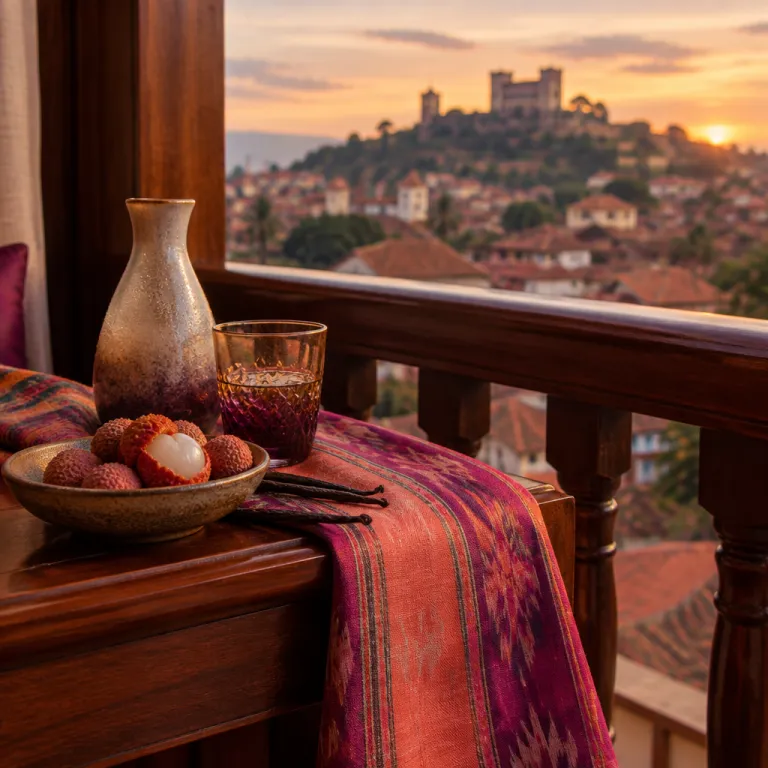
Antananarivo, refined gateway to the capital city of Madagascar in Africa
The capital city of Madagascar in Africa, Antananarivo, sets the tone for any luxury journey across the island. This elevated metropolis in the central highlands blends royal heritage, contemporary comfort, and a distinctly Malagasy sense of hospitality. For premium travelers, Antananarivo Madagascar offers a sophisticated base where five star suites, curated gastronomy, and tailored excursions frame the first impression of the country.
Antananarivo city rises on the central plateau, about 1 200 metres above sea level, which gives the capital a milder climate than the coastal regions. This central climate shapes how luxury hotels design their spaces, from heated pools and double glazing to terraces that capture sunset views over the city population below. When you plan a stay in the capital city of Madagascar in Africa, this altitude also means cooler evenings, so premium properties often provide in room amenities such as plush throws, fireplaces, and warm lighting to match the highland air.
The city Antananarivo is also the largest urban centre in the republic of Madagascar, and its economic and political weight influences the style of its luxury hotels. Many premium addresses cluster near the main business districts and embassies, serving both leisure guests and international corporate travellers. In this capital city of Madagascar in Africa, you will find properties that combine discreet security, multilingual concierges, and refined Malagasy design details, such as hand carved wood and silk textiles, to reflect the island identity.
Royal heritage, Merina history, and how they shape luxury stays
Long before Antananarivo became the economic and political hub of the country, it was the heart of the Merina kingdom. The Merina people, one of the central ethnic groups of Madagascar, built their power on the central plateau and turned the city into a royal stronghold. Today, luxury hoteliers use this royal narrative to craft experiences that connect guests with the layered history of Antananarivo Madagascar.
At the Rova of Antananarivo, the former royal palace complex, visitors trace the legacy of King Radama I, often simply called Radama, who opened the kingdom to international influences. Guided tours from high end hotels explain how this Merina monarchy negotiated with French envoys and other powers, shaping the future republic Madagascar would later become. Many premium properties then translate this story into design, with suites named after Merina queens, curated art referencing the kingdom, and tasting menus inspired by royal Malagasy recipes.
Ethnic diversity also defines the city population, and thoughtful hotels acknowledge the many ethnic groups that now call Antananarivo city home. From Zafimaniry wood carving displayed in lobbies to coastal Vezo photography in corridors, the best luxury addresses present Madagascar as more than a single ethnic narrative. This nuanced approach helps guests understand that the capital city of Madagascar in Africa is both a Merina stronghold and a crossroads where multiple ethnic groups, languages, and traditions meet.
Where to stay in Antananarivo for a premium first and last night
For many travellers, Antananarivo major hotels provide the first and last impression of the island, so choosing the right address matters. In the upper town, heritage properties overlook the city Antananarivo with panoramic views, while newer luxury hotels cluster closer to the main arteries leading to the international airport. Both areas offer distinct advantages for people booking premium stays in the capital city of Madagascar in Africa.
Travellers who value atmosphere often prefer the historic quarters of Antananarivo city, where cobbled streets, staircases, and colonial era facades frame intimate luxury properties. Here, suites may open onto balconies facing the central highlands, and restaurants serve refined Malagasy cuisine with French techniques, pairing local foie gras, vanilla, and cacao with international wines. These hotels are ideal if you plan to explore cultural landmarks, from the Rova to the Tsimbazaza Zoo, before flying on to coastal retreats such as the refined island stays and villas on Nosy Komba, which you can research through this guide to Nosy Komba island stays and luxury villas.
Guests focused on logistics may choose luxury hotels closer to the international airport of Antananarivo Madagascar, reducing transfer times after long haul flights. These properties often emphasise efficient check in, flexible dining hours, and wellness facilities that help guests recover quickly from travel across the Indian Ocean. Whether you stay in the upper town or near the airport, premium concierges can coordinate onward journeys across the country, from the eastern rainforests to the western dry forests and remote island lodges.
Room categories, services, and what to expect from premium standards
Luxury hotels in Antananarivo major districts typically offer a clear hierarchy of room categories, from spacious deluxe rooms to signature suites. Expect king size beds, high thread count linens, and bathrooms with separate showers and deep soaking tubs, which feel especially welcome after days exploring the central plateau. Many suites in the capital city of Madagascar in Africa also include private terraces, where guests can watch the city population move through the valley below.
Service standards in Antananarivo Madagascar have improved significantly as international travellers return to the country, and premium hotels now compete on personalised attention. You can usually arrange private airport transfers, late check out, and tailored city tours that include both headline sights and lesser known neighbourhoods. High end properties also tend to offer multilingual staff, often speaking Malagasy, French, and English, which helps guests navigate both the city and the wider republic Madagascar with confidence.
Wellness and dining complete the premium picture, with many hotels featuring small but well equipped gyms, heated pools, and spa menus that use Malagasy essential oils. Restaurants in these properties often highlight the island’s agricultural richness, from highland rice and zebu to coastal seafood, while also catering to international dietary expectations. For travellers who value consistency, this blend of local flavour and global standards makes the capital city of Madagascar in Africa a reassuring yet distinctive starting point.
From Antananarivo to Madagascar’s coastal luxury: how the capital connects your itinerary
Antananarivo is not only the political capital city of Madagascar in Africa, it is also the main aviation hub linking the island to the wider world. Almost every international flight lands here, which means your luxury itinerary will usually pass through Antananarivo city at least twice. Smart travellers use these stopovers to balance urban comfort with remote island experiences across the Indian Ocean.
From the international airport of Antananarivo Madagascar, domestic flights fan out toward Nosy Be, Sainte Marie, and other coastal gateways, where speedboats and helicopters connect to private island lodges. High end properties in the capital coordinate closely with these services, arranging transfers that minimise waiting times and stress. This is especially valuable during peak seasons, such as the humpback whale migrations off the east coast, when late bookings for Madagascar’s whale season and last minute stays can still be worthwhile if managed by experienced concierges.
Many travellers now design itineraries that alternate between the urban sophistication of Antananarivo major districts and the seclusion of private shores. For example, you might spend two nights in a luxury hotel overlooking the central plateau, then fly to Nosy Be and transfer to a private island retreat, before returning to the city for a final evening of fine dining. This rhythm allows you to appreciate both the economic and political heart of the country and the quieter island landscapes that have made Madagascar famous among high end travellers.
Seasonality, climate, and how they influence luxury planning
The climate of Antananarivo differs from the coastal regions, and understanding this helps you plan premium stays more effectively. The central highlands experience cooler, drier months and a wetter season, while coastal areas can be hotter and more humid, especially during cyclone periods. Luxury hotels in the capital city of Madagascar in Africa adapt to this climate with features such as underfloor heating, dehumidifiers, and carefully designed drainage systems.
Climate change is already affecting weather patterns across the island, with more unpredictable rainfall and occasional flooding in low lying parts of Antananarivo city. High end properties increasingly invest in resilient infrastructure, from elevated parking to reinforced retaining walls, to protect guests and maintain operations during heavy storms. When you book, it is worth asking how your chosen hotel manages climate risks, particularly if you travel during the wetter months on the central plateau.
Seasonality also influences availability and pricing, especially when international events or regional holidays increase demand for rooms in Antananarivo Madagascar. During such periods, premium hotels may prioritise longer stays or guests combining city nights with high value island packages. Planning early, and working with specialists who understand both the capital and the coastal resorts, ensures that the climate and calendar work in your favour rather than against your itinerary.
Political history, stability, and what they mean for luxury travellers
Antananarivo is the political centre of the republic Madagascar, and its history of political crisis has shaped both infrastructure and perceptions. Over recent decades, the country has experienced periods of tension, including episodes sometimes described as civil war like unrest, though not full scale civil wars in the classic sense. For luxury travellers, the key question is how these political dynamics affect safety, logistics, and the overall experience in the capital city of Madagascar in Africa.
Names such as Marc Ravalomanana, a former president, and Andry Rajoelina, another president who also emerged from the role of mayor of Antananarivo, are closely linked to shifts in power that played out on the streets of the city. During past political crises, demonstrations often concentrated in central squares and near government buildings, while most residential and hotel districts remained relatively calm. Today, premium hotels maintain close communication with local authorities and international partners to adjust security protocols quickly if tensions rise again.
The presence of the prime minister’s offices, ministries, and foreign embassies in Antananarivo major districts also means that security forces are usually visible in the city centre. For guests, this translates into controlled access around key government zones and occasional traffic disruptions, but it rarely interferes with hotel operations. When you book a luxury stay in Antananarivo Madagascar, it is sensible to choose properties with established crisis management plans and strong relationships with international organisations, which further reinforces trust in the capital city of Madagascar in Africa as a viable high end destination.
Urban governance, infrastructure, and the role of the mayor of Antananarivo
The office of the mayor of Antananarivo plays a significant role in managing urban services that directly affect hotel guests, from waste collection to road maintenance. Past mayors, including Andry Rajoelina before his national political career, have used the city as a platform to demonstrate their capacity to govern. For travellers, the quality of street lighting, drainage, and public transport in Antananarivo city often reflects how effectively the municipal équipe coordinates with national authorities.
Infrastructure challenges remain, especially in lower lying neighbourhoods where heavy rains can damage roads and complicate transfers between the international airport and central hotels. Luxury properties mitigate these issues by working with reliable private transport companies that know alternative routes and monitor traffic conditions in real time. When you arrange airport transfers through your hotel in the capital city of Madagascar in Africa, you benefit from this local expertise and reduce the risk of delays.
Urban planning on the central plateau also has to account for informal settlements and rapid growth in the city population, which can strain services. Some high end hotels support community initiatives that improve drainage, waste management, or public spaces near their properties, contributing to a more pleasant environment for both residents and guests. Asking about such programmes when you book can help you choose a stay in Antananarivo Madagascar that aligns with your values as a responsible traveller.
Cultural immersion in Antananarivo: from Tsimbazaza Zoo to university life
Luxury travel in the capital city of Madagascar in Africa is not limited to fine linens and tasting menus; it also offers access to rich cultural experiences. Antananarivo city concentrates many of the country’s museums, galleries, and performance spaces, making it the ideal place to understand Malagasy identity before heading to the coasts. Premium hotels often curate private or small group visits that reveal the city’s creative and intellectual life.
The Tsimbazaza Zoo, officially known as the Parc Botanique et Zoologique de Tsimbazaza, remains one of the most accessible places to see endemic species such as lemurs, fossas, and rare birds. While it is not a luxury attraction in itself, many high end travellers appreciate a guided visit that contextualises Madagascar’s biodiversity and the conservation challenges facing the island. Some hotels partner with conservation organisations to arrange behind the scenes experiences, which can be a meaningful complement to later visits to wild reserves beyond Antananarivo Madagascar.
Another window into the city population is the Université d’Antananarivo, or university of Antananarivo, perched on the hills of the central plateau. The university Antananarivo campus hosts conferences, cultural festivals, and academic events that attract both local and international participants. Guests staying in Antananarivo major hotels sometimes attend public lectures or exhibitions there, gaining insight into how Malagasy scholars analyse topics such as climate change, economic development, and the future of the republic Madagascar.
Gastronomy, language, and everyday life in the city
Food is one of the most elegant ways to connect with the capital city of Madagascar in Africa, and Antananarivo’s dining scene has grown more sophisticated. High end restaurants blend Malagasy ingredients with French culinary techniques, reflecting the historical ties between the country and France. Menus often highlight dishes such as foie gras with local vanilla, zebu carpaccio, and refined versions of traditional rice based meals, paired with international wines.
Language adds another layer to the experience, as most residents of Antananarivo city speak Malagasy as a first language and French as a second, while English is increasingly common in luxury hotels. Hearing staff switch gracefully between these languages underscores the city’s international connections and its role as the largest urban centre in the country. For guests, this linguistic flexibility makes it easier to navigate both everyday interactions and more complex arrangements, such as private excursions or special event planning.
Walking through markets and neighbourhoods beyond the hotel district reveals how the city population lives day to day on the central plateau. From early morning vegetable markets to evening street food stalls, Antananarivo Madagascar offers a vivid contrast between high end enclaves and more modest quarters. Many premium concierges now arrange guided walks that respect local communities while allowing guests to experience the authentic rhythm of the city antananarivo beyond the lobby.
Designing a luxury itinerary that balances Antananarivo and remote shores
For travellers focused on the capital city of Madagascar in Africa, the key is to integrate Antananarivo into a broader itinerary that showcases both urban and remote landscapes. A well balanced journey often begins with two or three nights in Antananarivo major hotels, followed by a week on the coast or a private island, then a final night back in the city. This structure allows you to adjust to the climate, recover from long flights, and handle any last minute logistics in the capital.
Many high end itineraries now pair Antananarivo city with ultra private retreats on small islands in the Indian Ocean, where villas open directly onto white sand beaches. Properties such as Miavana or Tsarabanjina, profiled in this analysis of Madagascar’s most private shores, rely on Antananarivo’s international airport as their main gateway. Luxury hotels in the capital coordinate helicopter or speedboat transfers, ensuring that the transition from city lights to starlit beaches feels seamless.
When planning, consider how the climate on the central plateau differs from that on the coasts, and how climate change may affect flight schedules or sea conditions. Building in buffer nights in Antananarivo Madagascar before and after remote stays reduces the risk of missed international connections. It also gives you time to revisit favourite restaurants, shop for Malagasy crafts, or simply enjoy one more sunset over the city population before leaving the republic Madagascar.
Practical tips for booking luxury hotels in Antananarivo
When you book a premium stay in the capital city of Madagascar in Africa, start by checking how long the hotel has operated and whether it has weathered past political crises smoothly. Properties with experienced management teams and strong international partnerships tend to handle disruptions, from strikes to sudden road closures, more effectively. Reading recent guest feedback focused on service consistency, not just decor, can also reveal how well a hotel adapts to the realities of Antananarivo city.
It is wise to confirm transfer arrangements between the international airport and your hotel, especially during the rainy season on the central plateau. Ask whether the property uses its own vehicles, how long the journey usually takes at different times of day, and what contingency plans exist if main roads are blocked. These details matter in a city antananarivo where traffic and weather can change quickly, and they distinguish truly luxury service from merely attractive design.
Finally, consider how each hotel engages with the wider community and environment in Antananarivo Madagascar. Some properties support local artisans, fund educational projects near the university Antananarivo, or contribute to conservation initiatives linked to sites such as the Tsimbazaza Zoo. Choosing such hotels allows your stay in the republic Madagascar to generate positive impacts while you enjoy the comfort, privacy, and attentive service that define high end travel on this remarkable island.
Key figures about Antananarivo and luxury travel
- The city population of Antananarivo urban area is estimated at over 1.4 million residents, making it by far the largest city in the republic Madagascar and the primary gateway for international visitors (data from national statistics and United Nations estimates).
- Antananarivo’s international airport, Ivato, handles the majority of the country’s international flights, with traffic representing well over half of all air arrivals to the island, which concentrates luxury hotel demand in the capital.
- The central plateau altitude of around 1 200 metres gives Antananarivo a cooler climate than coastal cities, with average temperatures several degrees lower, which influences hotel design choices such as heating and insulation.
- Tourism contributes a significant share to Madagascar’s service sector exports, and high end travellers passing through Antananarivo city typically spend more per day than mass market visitors, supporting premium hotels, restaurants, and transport services.
- Protected areas and national parks, many accessed via flights routed through Antananarivo Madagascar, cover roughly 10 percent of the country’s territory, underscoring the importance of the capital as a logistical hub for nature based luxury itineraries.
FAQ about Antananarivo and luxury hotel stays
Is Antananarivo safe for luxury travellers staying in high end hotels ?
Most luxury travellers experience Antananarivo as safe when they follow standard urban precautions and rely on hotel arranged transport. High end properties typically have controlled access, security staff, and established protocols for monitoring any political tensions. Staying in central or upper town districts and avoiding isolated areas at night further reduces risk.
How many nights should I spend in the capital city of Madagascar in Africa ?
For most itineraries, two or three nights in Antananarivo city at the start and one night at the end work well. This allows time to adjust to the climate, visit key sites such as the Rova and Tsimbazaza Zoo, and handle any flight changes. Travellers with a strong interest in history or gastronomy may choose to add an extra night.
What is the best time of year to stay in Antananarivo for a luxury trip ?
The cooler, drier months on the central plateau are generally the most comfortable for city stays, with clearer skies and fewer heavy rains. However, your ideal period may depend on coastal plans, such as whale watching seasons or private island availability. Luxury hotels can advise on how climate patterns and climate change trends may affect specific travel dates.
How far is Antananarivo’s international airport from the main luxury hotel districts ?
Ivato International Airport lies roughly 15 to 20 kilometres from central Antananarivo, but travel time varies widely with traffic and weather. Transfers can take from 30 minutes to more than an hour, especially during peak periods or heavy rain. Booking private transfers through your hotel ensures better route choices and timing.
Can I combine Antananarivo with a stay on a private island in Madagascar ?
Yes, many high end itineraries pair luxury hotels in Antananarivo with private island lodges accessible via Nosy Be or other coastal hubs. You will usually fly from Antananarivo Madagascar to a regional airport, then continue by boat or helicopter to the island. Building in buffer nights in the capital city of Madagascar in Africa before and after these remote stays helps protect your international connections.