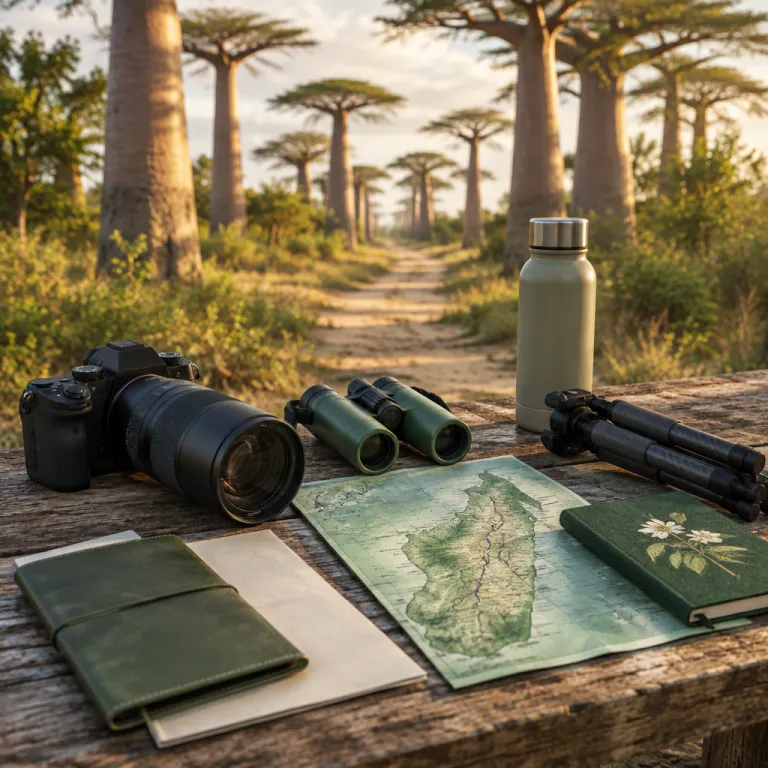
Why avenue of the baobabs belongs on every luxury Madagascar itinerary
The avenue of the baobabs is the most iconic road in Madagascar and a powerful anchor for any refined travel itinerary. Along this sandy avenue, monumental baobab trees of the species Adansonia grandidieri rise more than 30 m above the red earth, creating a natural cathedral that feels both intimate and grand. For travelers planning a premium trip, this place near Morondava in the south west offers a rare combination of easy access, dramatic scenery, and proximity to some of the most atmospheric luxury hotels in Madagascar.
When you visit this Madagascar avenue at sunrise or sunset, the soft light sculpts the trunks of the baobabs and turns the surrounding forest and rice fields into a painterly backdrop. The most photographed section of the avenue des baobabs is only a short drive from Morondava, yet it feels worlds away from Antananarivo and the busier national routes. Many travelers pair this alley of baobab trees with a stay in high end properties along the coast, using the avenue as the emotional highlight of a longer travel itinerary across Madagascar.
For discerning guests, the key is to treat the avenue as more than a quick photo stop and instead weave it into a curated day that balances comfort, culture, and conservation. A private 4x4 drive along the sandy route allows you to pause at lesser known viewpoints and at the romantic baobab amoureux, a pair of intertwined baobabs that have become a symbol of enduring love. With the right travel guide and a carefully timed visit, you can enjoy the spectacle with fewer crowds while still returning to your luxury hotel in Morondava before nightfall.
Planning the perfect day around avenue des baobabs from Morondava
Most luxury travelers reach the avenue of the baobabs via Morondava, a relaxed coastal town that serves as the main gateway to this legendary avenue. From the small airport, a private transfer to your chosen five star property or premium eco lodge takes around 20 to 30 minutes, and many hotels in Morondava now offer tailored excursions to the baobabs. When comparing Morondava accommodation options, look for properties that include a dedicated travel guide, a reliable 4x4, and flexible departure times for your day trip.
The drive from Morondava to the avenue des baobabs usually takes 45 minutes to one hour, depending on the season and road conditions along the sandy route. Regional tourism offices and local drivers consistently quote a distance of about 20 km, which helps you plan how long to spend at each stop. Many premium operators structure the day so you arrive first at the quieter baobab amoureux, then continue to the central alley baobabs section for the main sunset or sunrise experience.
For guests arriving from further afield, it is possible to connect a regional flight from Antananarivo or even from international hubs such as Johannesburg or Cape Town and still enjoy a same day visit. However, the best time for a relaxed and elegant trip is to allow at least two nights in Morondava, which gives you a buffer for weather, a chance to enjoy the beach, and time to visit nearby attractions such as the Kirindy forest. If you are combining your stay with seasonal marine experiences, consult a specialist resource on late whale season bookings in Madagascar to align your coastal travel with your inland baobab day.
Choosing luxury and premium stays that elevate your baobab experience
Luxury travelers heading to the avenue of the baobabs often underestimate how much the right hotel shapes their overall impression of Madagascar. In Morondava, the most sought after hotels combine ocean facing suites, refined Malagasy cuisine, and concierge teams who understand the nuances of timing a visit to the avenue. When you book, ask specifically how the property handles sunrise and sunset transfers along the sandy avenue and whether they can arrange private photography sessions among the baobab trees.
Many guests pair a stay in Morondava with time on the islands of the north, using a premium hotel booking website to coordinate flights and transfers between regions. A popular pattern is to enjoy several nights in Nosy Be or Nosy Komba, where high end lodges offer private villas and curated marine excursions, then fly south to Antananarivo and onward to Morondava for the baobabs. For travelers who value seclusion and design, a dedicated guide to island elegance for luxury minded travelers on Nosy Komba can help you balance coastal indulgence with the raw beauty of the Madagascar avenue near Morondava.
When comparing properties, look for hotels that actively support conservation of the baobabs and the surrounding forest, either through local associations or reforestation projects. Some high end lodges now include educational briefings about Adansonia grandidieri and the wider baobabs Madagascar ecosystem, helping guests understand why these trees are so vulnerable. One recent guest described standing beneath the alley baobabs at dusk as “like walking through a stone nave that suddenly came alive”, a reminder that a well curated travel itinerary can turn two or three nights in Morondava into the emotional climax of a longer journey.
From Antananarivo to the south west: routes, parks, and timing your visit
Reaching the avenue of the baobabs from Antananarivo involves a choice between speed and scenic immersion. Most luxury travelers opt for a short domestic flight to Morondava, which avoids the long overland drive along the national route that can take more than ten hours. Those who enjoy slow travel sometimes choose a multi day road trip that links Antananarivo with several national park areas before arriving at the coast.
A classic premium travel itinerary might include Andasibe Mantadia National Park for rainforest and lemurs, then a flight back to Antananarivo before connecting to Morondava and the dry forest landscapes of the west. More adventurous guests sometimes extend further south to Andringitra National Park, where granite massifs and high altitude trails offer a striking contrast to the flat plains around the baobabs. While Andringitra National Park lies far from the avenue, combining these parks in one trip gives you a deeper sense of Madagascar’s ecological diversity and the different forests where baobab trees and other endemic species thrive.
The best time to visit avenue des baobabs is during the dry season, when the sandy route is more predictable and sunsets are often clear and fiery. Within that window, the ideal time to visit for photography is usually the hour before and after sunset or sunrise, when the silhouettes of the grandidier baobabs stand out against the sky. If your schedule is flexible, allow at least one extra day in Morondava so that your travel guide can adjust your plan in case of haze, wind, or unexpected crowds along the main avenue.
Understanding the baobab ecosystem and the meaning of des baobabs
The avenue of the baobabs is not a formal national park, yet it functions as an open air monument to Madagascar’s most emblematic trees. The term des baobabs in French simply refers to “of the baobabs”, but here it has come to signify a specific place where ancient trunks line a sandy avenue like guardians of the landscape. These baobabs adansonia, especially the Adansonia grandidieri species, can live for many centuries and store thousands of litres of water in their swollen trunks.
Local communities around Morondava have long used the surrounding forest for subsistence agriculture, which is why the avenue stands today as a remnant of a much larger baobab forest. When fields were cleared, the farmers left the baobab trees standing, both out of respect and because their roots do not compete strongly with crops, which gradually created the linear formation we now call the alley baobabs. Walking this avenue at different times of day, you will notice how the light changes the colour of the bark from silver to ochre, and how the silhouettes of each baobab shift as you move along the route.
While the avenue itself is not inside a national park, many travelers combine it with visits to nearby protected areas such as Kirindy forest, where you can see fossa, lemurs, and other endemic wildlife. This combination of cultural landscape and wild forest makes the Morondava region one of the most rewarding places in Madagascar for nature focused travel. When planning your trip, choose Morondava hotels that work with local guides trained in both ecology and community relations, so your time at the avenue supports conservation of the baobabs Madagascar ecosystem rather than placing extra pressure on it.
Designing a high end travel guide around avenue baobabs and beyond
A well crafted travel guide for luxury guests treats the avenue of the baobabs as the emotional centrepiece of a broader journey through Madagascar. One effective structure is to begin with a night in Antananarivo to rest after your international flight, then fly to Morondava for two or three nights focused on the baobab trees and nearby forest. From there, you might continue south or east to other national park regions, or return to the capital for a connecting flight to the islands.
For travelers who appreciate contrast, pairing the raw earth tones of the avenue with the turquoise waters of Nosy Be or Nosy Komba creates a satisfying narrative arc. After walking the sandy avenue and standing beneath the towering grandidier baobabs, arriving at a refined island retreat with private villas and coral reef excursions feels especially indulgent. A specialist article on Madagascar hotels with luxury stays and private beaches can help you identify properties that match the same level of service you expect from your Morondava base.
Throughout your trip, work with a single trusted operator or booking platform that can coordinate flights, transfers, and hotel reservations across multiple regions. This reduces the risk of missed connections between Antananarivo, Morondava, and island airports, and ensures that your time at the avenue aligns smoothly with your wider travel itinerary. By treating the avenue des baobabs, the baobab amoureux, and the surrounding forest as part of a coherent story rather than isolated stops, you create a journey that feels both luxurious and deeply rooted in the landscapes of Madagascar.
Practical tips for timing, photography, and on site etiquette
To make the most of your time at the avenue of the baobabs, plan your arrival carefully and respect the rhythms of local life. The best time for photography is usually just before sunrise or just after sunset, when the sky glows behind the silhouettes of the baobabs and the sandy avenue is less crowded. Many luxury travelers choose to visit avenue des baobabs twice, once at dawn and once at dusk, using the middle of the day to rest at their hotel or explore nearby villages and forest tracks.
When you walk along the alley baobabs, remember that the surrounding fields belong to local farmers and that the baobab trees themselves hold spiritual significance for many communities. Stay on established paths, avoid climbing the trunks, and ask your travel guide to introduce you to local residents if you wish to photograph people or enter village areas. A respectful approach not only protects the fragile roots of the baobabs adansonia but also creates more meaningful encounters during your trip.
Finally, consider how your visit fits into the wider environmental context of Madagascar and its national park network. The avenue is not formally protected like Andringitra National Park or other reserves, so visitor behaviour has a direct impact on erosion, litter, and the health of the remaining forest. By choosing responsible Morondava hotels, travelling with experienced guides, and timing your arrival to avoid peak crowds when possible, you help ensure that future travelers can walk this extraordinary avenue of baobabs under the same vast skies that greet you today.
Key figures for luxury travel around avenue of the baobabs
- The avenue of the baobabs lies about 20 km north of Morondava, which translates to roughly a 45 minute drive in dry season conditions according to regional tourism boards and local driver reports.
- Grandidier baobabs (Adansonia grandidieri) along the avenue can reach heights of 30 m and trunk diameters of up to 3 m, based on measurements published by Malagasy forestry researchers and botanical surveys.
- Domestic flights between Antananarivo and Morondava typically take around one hour, compared with over ten hours by road along the main national route, as reported by local airlines and tour operators in their public schedules.
- Kirindy forest, often combined with the avenue in a single trip, hosts more than 60 bird species and several lemur species, according to data from Madagascar National Parks and regional biodiversity assessments.
- Nosy Be, a common luxury extension after visiting the avenue, receives a significant share of Madagascar’s high end beach tourism, with regional tourism offices reporting steady growth in premium hotel capacity over the past decade.
FAQ about avenue of the baobabs and luxury stays
What is the best time of year to visit the avenue of the baobabs ?
The most comfortable period to visit the avenue of the baobabs is during the dry season, when roads between Morondava and the avenue are more reliable and sunsets are often clear. Within that window, early morning and late afternoon offer the best light for photography and cooler temperatures for walking along the sandy avenue. Luxury travelers should still allow an extra day in Morondava to adjust plans if weather or road conditions change.
How many days should I spend in Morondava for a premium baobab experience ?
For a refined and unhurried experience, plan at least two nights in Morondava, which gives you one full day to visit the avenue of the baobabs and nearby sites. Many guests choose three nights, allowing time for both sunrise and sunset at the avenue, plus an excursion to Kirindy forest or a relaxed day on the beach. Shorter stays are possible but leave less flexibility if flights are delayed or if you want to avoid the busiest times at the alley baobabs.
Can I visit the avenue of the baobabs on a day trip from Antananarivo ?
A same day return from Antananarivo to the avenue of the baobabs is technically possible with carefully timed flights and private transfers, but it is not ideal for luxury travelers. The schedule can be tight, leaving little margin for delays and limiting your time at the avenue to a single daylight visit. Staying at least one night in Morondava allows you to enjoy the avenue at the best times of day and return to your hotel without rushing.
Are there luxury hotels near the avenue of the baobabs ?
There are no hotels directly on the avenue itself, but Morondava offers several comfortable and premium level properties within easy driving distance. These hotels can arrange private 4x4 transfers, expert guides, and tailored visit times to the avenue of the baobabs. For ultra luxury standards, many travelers combine Morondava with high end island resorts in Nosy Be or Nosy Komba, using domestic flights to connect the regions.
Is the avenue of the baobabs part of a national park or protected area ?
The avenue of the baobabs is not currently part of a formal national park, although it has been proposed for greater protection due to its cultural and ecological value. The surrounding land includes community fields and patches of dry forest, so visitors should respect local property and follow guide instructions. Many luxury tour operators pair the avenue with visits to nearby protected areas such as Kirindy forest, which is managed in coordination with Madagascar National Parks.