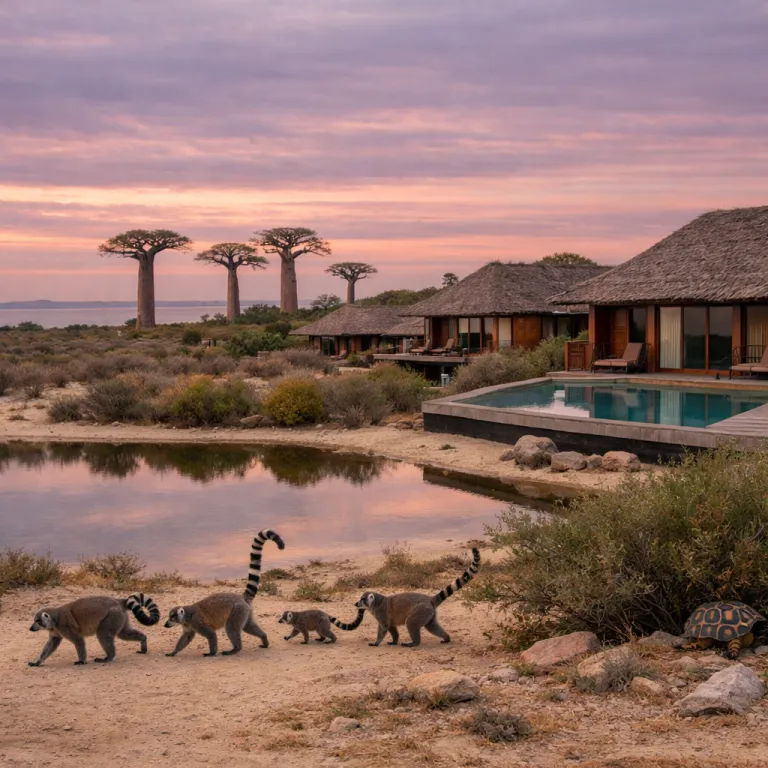
Luxury stays where madagascar Africa animals shape every choice
Planning a premium stay in Madagascar means aligning comfort with wildlife ethics. High end travelers increasingly want rooms that frame lemurs at dawn yet still protect every endemic species in the surrounding forest. This shift is redefining how a luxury and premium hotel booking website in Madagascar presents options to guests.
On a single island, more than one madagascar species of lemur, reptile, and bird may live only in one valley, and these species need carefully managed access roads, lighting, and noise levels. Luxury properties near national parks now highlight how their suites, villas, and lodges minimize disturbance to wildlife madagascar while still offering refined amenities. For travelers comparing hotels online, the main SEO keyword madagascar Africa animals becomes a practical filter for stays that respect nature rather than a simple slogan.
Guests researching madagascar wildlife want to understand how their booking supports conservation and local communities. A credible booking platform therefore details which national park entrance a property uses, how guides interpret lemur species behavior, and whether a stay contributes to habitat preservation. This level of transparency builds trust and reassures travelers that their group holiday or private escape aligns with the long term protection of animals and biodiversity.
Designing luxury hotels around lemurs, forests, and national parks
In Madagascar, the most iconic animals are the lemurs, and any luxury hotel near eastern rainforests must be designed around their daily rhythms. When a property borders one of the national parks, architects consider how ring tailed lemurs and other lemurs species move through the canopy at dawn and dusk. Suites are oriented so guests can observe wildlife without intrusive floodlights or loud generators that disturb sensitive species.
On the island of Sainte Marie in the Indian Ocean, refined resorts promoted through a luxury and premium hotel booking website in Madagascar balance ocean views with access to madagascar wildlife excursions. Travelers comparing options for a luxury island stay in Sainte Marie often ask how close they will be to national parks on the mainland. The best properties answer by offering seamless transfers to forest trails where guests can see lemurs, chameleons, and other animals with trained guides.
Because Madagascar is sometimes called the eighth continent, hotel planners treat each region as a distinct world of species and habitats. A lodge near dry forest will highlight different wildlife madagascar experiences than a retreat beside lush rainforest, even though both may feature lemur and bird watching. For travelers, this means reading hotel descriptions carefully and choosing stays that match their preferred national park ecosystems and conservation priorities.
Aligning booking journeys with conservation and privacy expectations
For discerning guests, the booking path is part of the experience, especially when they travel to see madagascar Africa animals in fragile habitats. A luxury and premium hotel booking website in Madagascar must therefore integrate conservation information as clearly as room categories or spa menus. When travelers understand how their stay supports endemic species, they are more willing to choose eco sensitive options and longer itineraries.
Clear explanations of how a property collaborates with Madagascar national authorities, local NGOs, and national parks help guests evaluate credibility. Many travelers now expect to see references to habitat preservation, anti poaching patrols, and community education programs alongside photos of ring tailed lemurs and lush forest pools. They also appreciate links to planning resources, such as guidance on the best time to go for a refined island stay that aligns with wildlife viewing seasons.
Equally important is a transparent privacy policy that respects the data of every individual and group traveler. Guests booking trips focused on madagascar wildlife want reassurance that their personal details are protected as carefully as the animals they come to see. A well written privacy policy, presented alongside conservation commitments, reinforces trust and positions the platform as a responsible gateway to nature rich journeys.
Curating wildlife rich itineraries across Madagascar’s biodiversity hotspots
Because Madagascar’s isolation created exceptional biodiversity hotspots, a sophisticated booking platform must curate itineraries that connect several ecosystems in one seamless trip. Travelers interested in madagascar Africa animals often want to combine eastern rainforests, dry forests, and coastal mangroves within a single journey. This requires careful coordination of transfers, park permits, and hotel availability across multiple national parks.
In practice, a couple or family group might begin in a rainforest lodge where including lemurs in guided walks is standard, then move to a coastal retreat for marine wildlife and relaxation. Along the way, they may visit a national park renowned for ring tailed lemurs and another reserve where lemurs chameleons and rare birds share the same forest canopy. Each stop must offer both comfort and credible conservation engagement, from low impact trails to trained naturalist guides.
To support these complex routes, a luxury and premium hotel booking website in Madagascar needs detailed content on each national park and surrounding hotels. Descriptions should explain which lemur species and other animals are commonly seen, how long trails take in hours and kilometres, and what conservation projects guests can support. When travelers see this level of detail, they can align their travel dates, budget, and expectations with the realities of nature focused stays.
Balancing spa indulgence with rainforest ethics and local communities
Many travelers want to pair encounters with madagascar wildlife and spa level comfort, especially after long walks in humid rainforest. Luxury properties now integrate wellness facilities that overlook forest or ocean while maintaining strict guidelines to protect nearby animals. Soft lighting, quiet pathways, and limited night traffic help ensure that lemur and bird activity remains as natural as possible.
Guests researching madagascar Africa animals often choose hotels that combine conservation with wellness, and a booking platform should highlight these dual strengths. A detailed guide to luxury spa hotels and island retreats can show how properties support local communities through employment and training. When spa menus use ingredients sourced from nearby farms or forests under sustainable guidelines, travelers feel their stay contributes to long term ecological balance.
Community partnerships are essential in regions where national parks border villages that have lived with these species for years. Hotels that invest in education about madagascar lemur conservation, forest restoration, and alternative livelihoods help reduce pressure on wildlife habitats. For guests, choosing such properties through a trusted booking website means their comfort directly supports both nature and people.
Communicating science, history, and ethics to informed travelers
Travelers drawn to madagascar Africa animals are often curious about the science and history behind this unique island. They appreciate when a hotel booking website explains that Madagascar separated from Gondwana many millions of years ago, allowing endemic species to evolve in isolation. Context like this turns a simple stay into an informed journey through evolutionary and cultural narratives.
Content teams can work with researchers and guides to present concise explanations of how lemur species, reptiles, and plants became so specialized. One section might note that “The lemur is the most iconic animal.” while another explains that “Yes, the fossa is the largest predator.” and “Why is Madagascar's wildlife unique? Due to long-term isolation from other landmasses.” These verified statements, combined with up to date conservation news, help guests understand why national geographic style documentaries often focus on this island.
By framing Madagascar as an eighth continent of biodiversity, the platform encourages travelers to respect every forest trail and national park they visit. Articles can explain how, years ago, deforestation and hunting reduced some animals, and how current conservation efforts aim to reverse these trends. When guests see lemur and bird sightings as privileges earned through responsible travel, they are more likely to support ongoing protection of madagascar species and habitats.
Key statistics on Madagascar wildlife and endemic species
- Approximately 11 000 endemic plant species have been recorded across Madagascar’s varied ecosystems.
- About 95 percent of reptile species found in Madagascar are considered endemic to the island.
- Roughly 92 percent of mammal species in Madagascar are endemic, underlining the island’s exceptional biodiversity.
Essential questions about Madagascar Africa animals and travel
What is the most famous animal in Madagascar ?
The most famous animal in Madagascar is the lemur, a primate found only on this island and its nearby islets. Travelers encounter different lemur species in various national parks, from ring tailed lemurs in drier forests to other lemurs species in dense eastern rainforests. Many luxury hotels organize guided walks that respect conservation rules while offering excellent chances to see these animals.
Are there any large predators in Madagascar ?
Yes, Madagascar is home to the fossa, which is the largest predator on the island and a key part of madagascar wildlife. Although rarely seen by casual visitors, the fossa plays an important ecological role by regulating populations of lemurs and other animals. Responsible guides in national parks explain how this elusive species fits into the broader balance of nature and why its conservation matters.
Why is Madagascar’s wildlife unique ?
Madagascar’s wildlife is unique because the island has been isolated in the Indian Ocean for many millions of years, allowing endemic species to evolve independently. This long separation created extraordinary biodiversity hotspots where madagascar species of plants, lemurs, reptiles, and birds exist nowhere else on Earth. Travelers who choose eco conscious hotels and carefully planned itineraries help ensure this exceptional nature remains intact for future years.
Trusted sources for further reading : WWF, Conservation International, National Geographic.