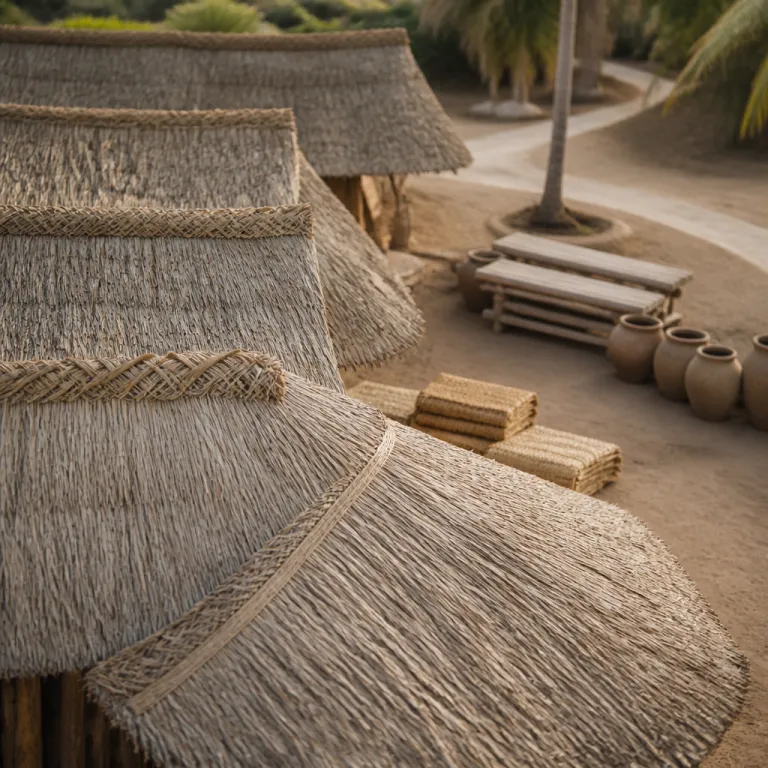
Community tourism in Madagascar for eco conscious luxury travelers
Community tourism in Madagascar eco lodge stays are reshaping what luxury means. On this island, the real amenity is often the local community that welcomes you into its rhythm and its forest rather than a marble lobby. For conscious travelers, the question is how to align comfort with sustainable tourism that genuinely benefits people on the ground.
Community-owned accommodation in Madagascar sits on a spectrum that runs from simple village lodging to professionally managed eco lodges with polished service. At one end, you find homestays where tourism madagascar is still an experiment, and where local communities share meals, stories, and basic rooms under tin roofs. At the other, you encounter a refined lodge where solar panels, rainwater systems, and trained staff ensure sustainability without sacrificing hot showers or crisp linen.
Across this spectrum, the shared thread is that tourism is managed by local communities to benefit them directly. That definition matters, because the tourism industry has often promised a positive impact while sending most revenue offshore rather than to the local community that hosts the experience. In Madagascar, the new national tourism and crafts strategy places sustainable tourism, cultural promotion, and conservation at the center of growth, and community tourism in Madagascar eco lodge projects are its most visible expression.
For travelers used to five star hotels, the idea of staying in village based lodging can feel like a step down in comfort. In reality, the best community owned lodge experiences on this island feel more like a different category of luxury, one rooted in natural beauty, silence, and human connection. The key is choosing accommodation where sustainability practices are embedded in operations, not just in the marketing language.
What community-owned really means in Madagascar’s tourism industry
Community ownership in tourism madagascar is not a single model. In some villages, a cooperative runs a small eco lodge, while in others, families rotate hosting duties in traditional houses, sharing both work and financial incentives from visiting guests. The common aim is to support local livelihoods, protect natural resources, and keep decision making in the hands of communities Madagascar rather than distant investors.
Maison des Voyageurs in Ambalahonko is a good example of community tourism in Madagascar eco lodge style, offering lodging in traditional houses managed by a local association. Here, the accommodation is simple but friendly, and the economic structure ensures that a high percentage of each night’s rate reaches the local community through wages, food purchases, and village projects. For travelers comparing this with conventional hotels, the difference is not only in design but in how deeply the stay is woven into village life and sustainable practices.
On Nosy Komba, Association Akiba operates an eco lodge and a school, showing how ecotourism help can fund education while protecting the island’s forest and marine ecosystems. Solar panels power much of the lodge, and guests are invited to support local initiatives, from classroom materials to conservation activities, turning tourism into a direct positive impact mechanism. These are not charity projects ; they are professionally run operations that understand the expectations of eco conscious visitors who still value comfort and attentive service.
For luxury minded guests, the service question is legitimate, and it shapes how community tourism in Madagascar eco lodge stays are designed. Some properties deliberately cap guest numbers to ensure privacy and quiet, while investing in staff training so that hospitality standards match those of more conventional hotels. If you are planning a higher end itinerary that combines these stays with classic resorts, guides on curated platforms such as a luxury stay pairing beach, forest and Tsingy can help you balance immersion with indulgence.
Village immersion, cultural authenticity, and the 18 Malagasy ethnic groups
Madagascar offers an extraordinary cultural mosaic, with 18 distinct ethnic groups shaping different expressions of hospitality. In the highlands, Merina and Betsileo communities welcome guests into red earth villages where rice terraces climb the hills, while in the south, Antandroy and Mahafaly hosts share stories of ancestral tombs and spiny forest rituals. For travelers, community tourism in Madagascar eco lodge experiences become a way to understand this diversity without turning culture into a stage show.
Village immersion stays tend to prioritize slow time with local communities over scheduled performances. You might join a morning walk to the forest with a guide who knows every medicinal plant, then sit with artisans as they weave raffia or carve zebu horn, learning how tourism can support local craft traditions without overwhelming them. Resort based cultural excursions, by contrast, often compress this into a single afternoon, which can feel efficient but risks tipping into performance rather than genuine exchange.
The government’s tourism and crafts development plan, with its emphasis on artisan led growth, gives communities Madagascar a framework to negotiate better terms with tour operators and hotels. When a lodge sources textiles, baskets, and woodwork from nearby villages, it creates financial incentives for younger generations to maintain skills that might otherwise fade. In the vanilla rich Sava region, for example, staying in community oriented accommodation near working plantations allows you to explore the world of vanilla and then eat in small, family run restaurants that benefit directly from your presence, as highlighted in guides to where to eat near plantations.
For conscious travelers, the choice between village immersion and resort excursions is not binary. Many itineraries now weave both, using a community tourism in Madagascar eco lodge stay as an anchor and then adding a night or two in higher end hotels for spa time and ocean views. The most rewarding trips are those where you can trace how your spending supports local communities, from the guide who leads you through the forest to the cooperative that supplies your breakfast coffee.
Nature, conservation, and the eco lodge as a green guardian
Madagascar’s natural beauty is not an abstract backdrop ; it is the asset that underpins the entire tourism industry. From the granite domes near Ambalavao to the baobab lined tracks of the west and the coral reefs of Nosy Be, every eco lodge sits in a landscape where conservation decisions today will shape what future generations see. Community tourism in Madagascar eco lodge projects are at their best when they treat the forest, the reef, and the river as co owners of the business.
Anja Community Reserve near Ambalavao shows how local communities can manage conservation and tourism together. Established to protect ring tailed lemurs and the surrounding forest, the reserve now welcomes thousands of visitors each year, with guides drawn from the local community and revenue funding schools, reforestation, and basic infrastructure. As the managers explain, "What is community-based tourism?" and "How does staying in community-owned accommodations help locals?" and "Are these stays comfortable?".
For travelers, walking through Anja’s forest with a guide who can mimic the indri call until the canopy answers feels very different from a quick photo stop on a standard tour. You see how ecotourism help can create financial incentives to keep trees standing, because the lemurs and the landscape are now part of the village’s shared capital. This is where eco tourism moves beyond marketing language and becomes a practical tool for sustainability and local empowerment.
Many community lodges now integrate green technologies and low impact practices into their accommodation design. Solar panels reduce reliance on diesel generators, greywater systems protect natural resources, and menus lean on seasonal produce from nearby farms to support local suppliers. If you are planning a broader itinerary that mixes these eco conscious stays with more conventional luxury hotels, resources such as curated guides to Madagascar resorts and premium escapes can help you map where each property sits on the sustainability spectrum.
Comfort, economics, and how to choose your community-owned stay
For solo explorers used to high end hotels, the key question is often whether community tourism in Madagascar eco lodge stays can deliver enough comfort. The honest answer is that standards vary, but the best properties now offer private en suite rooms, quality mattresses, and attentive service, even if Wi Fi is slower and air conditioning is replaced by ceiling fans. Luxury here is less about thread count and more about waking to the sound of the forest and knowing your stay supports a sustainable future for the village.
The economic math is where community owned lodging often outperforms conventional accommodation in terms of local benefit. In a chain hotel, a relatively small share of your nightly rate may reach the local community once management fees, imports, and external shareholders are paid. In a well structured community lodge, a far higher percentage flows directly into wages, food purchases, conservation fees, and village projects, creating a more tangible positive impact.
When you evaluate options, look beyond the eco label and ask specific questions about sustainability practices. Does the lodge employ people from local communities in skilled roles, not just as cleaners or guards, and does it invest in training so that tourism becomes a long term career path rather than seasonal work. Are there clear policies on waste, water use, and energy, including the use of solar panels or other green technologies that reduce pressure on fragile island ecosystems.
For travelers who want both immersion and indulgence, a smart strategy is to pair a community tourism in Madagascar eco lodge stay with a few nights in a refined coastal retreat. Use the village based accommodation for deep cultural and nature experiences, then shift to a resort for spa treatments and ocean facing suites, knowing that both can be part of a responsible itinerary. As you plan, curated platforms such as mymadagascarstay.com, with its focus on luxury escapes and premium hotel experiences on the island, can help you compare properties and ensure your choices align with your values.
FAQ
What is community-based tourism in Madagascar ?
Community based tourism in Madagascar refers to trips where local communities manage and benefit directly from tourism activities, including lodging, guiding, and cultural experiences. This model aims to keep decision making and revenue within the village rather than with external operators. For travelers, it means stays that are more closely tied to everyday life, culture, and conservation priorities on the island.
How does staying in a community-owned eco lodge help conservation ?
When you stay in a community owned eco lodge, part of your payment usually funds conservation activities such as forest patrols, reforestation, or wildlife monitoring. Because local communities see direct financial incentives from healthy ecosystems, they have a stronger reason to protect natural resources rather than convert them to short term uses. Places like Anja Community Reserve show how this link between tourism revenue and conservation can safeguard lemurs and landscapes while improving livelihoods.
Are community-owned accommodations comfortable enough for luxury travelers ?
Comfort levels vary, but many community oriented lodges now offer private rooms, quality bedding, and thoughtful service that can satisfy luxury minded guests. You may trade air conditioning and extensive amenities for natural ventilation, simpler design, and a closer connection to the environment. The key is to choose properties that clearly explain their facilities and sustainability practices so your expectations match the experience.
How much of my spending reaches the local community ?
There is no single percentage, but community owned lodges generally channel a larger share of each night’s rate into local wages, food purchases, and village projects than conventional hotels. In some cases, community associations decide collectively how to allocate profits between household income and shared investments such as schools or water systems. Asking properties to explain their revenue distribution is a practical way to ensure your trip has a meaningful positive impact.
How can I choose responsible community-owned stays in Madagascar ?
Start by looking for clear information on who owns the lodge, how staff are recruited, and what conservation or social projects your stay supports. Responsible properties usually publish details about their sustainability practices, from energy use and waste management to partnerships with local artisans and guides. Using curated platforms that specialize in Madagascar and sustainable tourism can help you identify stays where community benefit and guest comfort are both taken seriously.