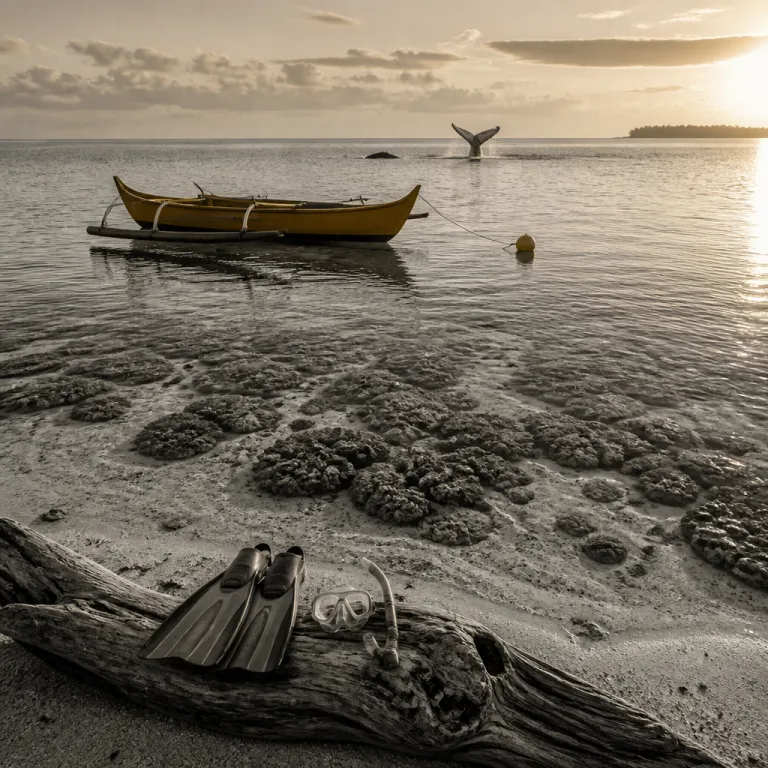
Why whale watching Nosy Boraha July belongs on your solo travel calendar
July on Nosy Boraha is when a simple trip turns into a front row seat on one of the great migrations of the Indian Ocean. This is the moment in Madagascar when humpback whales leave the cold waters off South Africa and Antarctica and turn the Sainte Marie Channel into a calm nursery, and you feel that shift the second your boat idles and the engines drop to a hush. For a solo explorer used to planning trips across Africa, this island offers a rare mix of serious wildlife, refined lodges and a human scale that keeps every encounter personal.
The official whale season on this side of Madagascar runs from July to September, but July and August are when the channel feels busiest with life. Local monitoring and data shared by the CétaMada Association indicate that on the order of one thousand humpback whales use the broader migration corridor that includes Nosy Boraha each year, and you sense that density when several whales surface in different directions while you are watching from the bow. The migration is not just a spectacle; it shapes the rhythm of daily tours, the timing of snorkeling sessions on the reef and even the way you plan each day of your stay on the island.
Nosy Boraha, also known as Île Sainte-Marie, sits off the east coast of Madagascar and feels far removed from the more trafficked islands of the Indian Ocean. The island’s position along the migration corridor makes it one of the best spots in Africa for lodge based whale watching, especially for travelers who prefer small groups and quiet decks over crowded day boats. When you design your planning trip around July humpback sightings off Nosy Boraha, you are effectively aligning your own movements with the peak of the humpback breeding season Sainte Marie experiences each year.
Reading the July sea: channels, bays and where to base yourself
Choosing the right base on Nosy Boraha in July is less about a long list of properties and more about how you want to experience the sea. The Sainte Marie Channel on the island’s west side is the classic whale watching zone, with two to three hour morning tours leaving from around Ambodifotatra and nearby beaches, and this is where solo travelers often find the best balance between access, safety and atmosphere. Boats head out just after sunrise during the dry season, when the sea is usually calmer and the light turns every whale blow into a silver plume against the coast of Boraha Madagascar.
Farther north, the vast Baie d’Antongil on the mainland offers a different style of trip, combining whale watching with Masoala rainforest hikes, but it demands more time and logistics than most short July trips allow. The southwest coast near Anakao, opposite South Africa across the Mozambique Channel, has its own whale season and even some shore based viewing, yet it lacks the tight, sheltered feel of the Sainte Marie Channel that makes Nosy Boraha so appealing for solo visitors. For a first planning trip focused on Sainte Marie whale season in July, I recommend keeping your base on the island and treating other whale spots in Madagascar as future chapters rather than parallel obligations.
On the accommodation side, two addresses stand out for travelers who want serious marine life access without sacrificing comfort. Princesse Bora Lodge & Spa, with its timber villas facing the lagoon, offers easy access to licensed whale watching tours and a calm base to review your photos over a late breakfast after an early outing. Vohara, part of the Design Hotels collection on Île Sainte Marie, leans into barefoot luxury with polished yet relaxed service, and its team can arrange private or small group whale watching trips that respect distance regulations while still delivering the thrill of a humpback breach just off the island.
For readers who like to compare different coasts before committing, a broader overview of humpback season off Madagascar from a lodge rather than a crowd is available in this in depth guide to humpback season off Madagascar. If you are pairing Nosy Boraha with time on another island such as Nosy Be, you will find it useful to read this separate piece on planning an exceptional stay on Nosy Be for luxury minded travelers before you lock in flights. Both resources help you understand how a July stay on Nosy Boraha fits into a wider Indian Ocean itinerary without diluting the experience on Sainte Marie itself.
From breaches to reefs: structuring your July days around sea conditions
Once you have chosen your lodge on Nosy Boraha, the next step is to structure your July days around the sea rather than the restaurant schedule. The dry season brings relatively stable weather, with average water temperatures around 26 °C, which means you can comfortably alternate between whale watching tours and snorkeling sessions without feeling rushed. Most operators recommend heading out for whale watching in the morning during July, then shifting to reef time once the trade winds pick up and the whales settle into longer dives.
Morning tours usually last two to three hours and are run by local crews who know the Sainte Marie Channel intimately, often in partnership with the CétaMada Association. Regulations prohibit swimming with whales, and operators will remind you that Madagascar law is clear on this point with the simple line: "Is it safe to swim with the whales? Madagascar law prohibits swimming with whales." That clarity is part of the good communication you want from any operator, because it signals respect for both wildlife and guest safety, and it leaves you free to focus on watching surface behavior such as breaches, tail slaps and the gentle roll of a mother and calf.
After a late breakfast back at Princesse Bora or Vohara, the rest of the day is yours to explore the reef systems that fringe the island. July visibility is often good enough to see reef fish, healthy coral heads and the occasional turtle, especially on the more sheltered leeward side of the island near Ile Sainte Marie’s smaller coves. If you want a change of scene, arrange a boat transfer to the tiny satellite island of Île aux Nattes, where the lagoon is shallow, the sand is powder fine and the sense of being at the edge of the whale highway is almost surreal.
Solo travelers often ask whether to prioritize more whale watching trips or more snorkeling time during a short stay. My view is that in July and August you should aim for at least two dedicated whale watching tours and two reef focused outings, then keep one flexible day in case the weather shifts. That balance lets you experience the full range of wildlife that makes Sainte Marie’s July whale season so compelling, from humpback whales offshore to the smaller, intricate life of the coral gardens closer to the island.
Timing your stay: July to September nuances, festivals and practicalities
While July is the headline month for whale watching around Nosy Boraha, the broader July to September window has its own nuances that matter when you are fine tuning a luxury stay. Early July can feel quieter on land, with fewer visitors and a sense that the island is just waking up to the whale season, which suits solo travelers who prefer space on the boat and unhurried conversations with guides. By late July and August, the energy builds, and you may find yourself sharing a deck with other travelers who have flown in from across Africa and beyond specifically for humpback whales.
The period from July to September is also when local communities on Sainte Marie and around Nosy Boraha lean into the cultural side of the migration. A whale festival often brings music, pirogue races and conservation talks to the waterfront, and while dates can shift from year to year, your lodge will know what is planned during your stay. If you hear references to Marie Nosy or Marie whale in local conversation, they are usually affectionate shorthand for the island’s relationship with the whales and the way Sainte Marie has built its identity around this season Nosy Boraha experiences each year.
From a practical perspective, aim to secure your room and your core whale watching trips at least a few months ahead, especially if you are targeting the peak of July August. Look for operators who work closely with CétaMada, use eco friendly boats and maintain clear briefings in English or French, because good communication is as important as the boat itself when you are traveling solo. For a deeper sense of the island’s accommodation scene, this refined guide to luxury stays on Île Sainte Marie is a useful companion when you are comparing room categories, spa offerings and how each property structures its Boraha trips during whale season.
Do not overlook the smaller details that can shape your experience of July whale watching around Nosy Boraha. Pack layers for cool mornings on the water, reef safe sunscreen for snorkeling, and a dry bag for your camera, because the best wildlife moments rarely wait for you to be fully organized. With those basics in place, the combination of humpback whales, coral reefs and the easy rhythm of island life on Sainte Marie turns a simple travel plan into a quietly transformative chapter in your personal map of Madagascar.
FAQ
When is the best time to see humpback whales around Nosy Boraha ?
The peak whale season around Nosy Boraha runs from July to September, with July and August generally offering the most consistent sightings. Whales begin arriving in June, but numbers build through July as more humpback whales reach the warm, shallow waters of the Sainte Marie Channel. If your schedule is flexible, aim for a stay that straddles late July and early August to maximize your chances of multiple high quality encounters.
Are snorkeling tours available during whale watching season ?
Snorkeling tours are widely available during the whale watching season, and many operators on Nosy Boraha offer combined packages that include both reef time and dedicated whale watching tours. In practice, you will usually head out for whale watching in the morning, then shift to snorkeling on the reef once the wind rises and whales become less surface active. This structure works well in July, when water temperatures around 26 °C make it comfortable to spend extended time in the sea between the island and the outer reef.
Is it safe and legal to swim with the whales near Sainte Marie ?
Madagascar has clear regulations designed to protect both whales and visitors, and these rules apply around Nosy Boraha and Sainte Marie. Operators will remind you that the law prohibits entering the water to swim with whales, even if they approach the boat closely during a tour. Respecting this boundary is part of responsible wildlife travel and ensures that future visitors can enjoy the same high quality encounters during whale season.
How many humpback whales are usually seen in the area each year ?
Conservation organizations working in the region, including the CétaMada Association, estimate that roughly one thousand humpback whales use the broader migration corridor that includes the waters off Nosy Boraha each year. On a typical July or August outing you might see several individual whales or small groups, though exact numbers vary by day and sea conditions. What matters more than the count is the range of behaviors you can observe, from breaching adults to mothers resting with calves in the calmer parts of the channel.
How far in advance should I book my lodge and whale watching tours ?
For travel during the core of whale season, especially in July and August, it is wise to secure both your lodge and your primary whale watching tours several months in advance. Properties such as Princesse Bora and Vohara have limited room categories that are popular with international travelers, and licensed operators cap group sizes to keep experiences intimate. Early booking also gives you more flexibility to design a balanced itinerary that includes whale watching, snorkeling and time on Île aux Nattes without rushing.
References
Travellocal – article on whale watching around Île Sainte Marie in Madagascar.
CétaMada Association – conservation data and guidelines for marine mammal tourism in Madagascar.
Local meteorological services – average July sea temperature and seasonal weather patterns for the Sainte Marie region.