Why ranomafana national park lodge madagascar is worth a night
Most travellers reach Ranomafana for a golden bamboo lemur sighting, then retreat to their lodge by late afternoon. Yet the forest along the edge of the national park changes character after night, when the canopy hums with calls and the undergrowth flickers with eye shine. Staying at a carefully chosen ranomafana national park lodge in Madagascar lets you align your hotel schedule with this wild shift, rather than with the park’s 17:00 closing time.
Ranomafana National Park protects more than 43 000 hectares of dense rainforest, where 13 lemur species share the trees with chameleons, frogs and countless invertebrates. This is one of the few national parks in Madagascar where families can pair relatively short trails with high wildlife density, making it ideal for a first rainforest trip with older children. The official data from the park underline its importance for lemur species conservation, and every lodge that operates near the park entrance depends on that protected forest remaining intact.
For many visitors, the phrase “ranomafana national” becomes shorthand for a complete rainforest immersion, not just a quick stop between other national parks. A well located lodge in Ranomafana village allows you to walk to the park entrance in minutes, then return to generous rooms and hot water after a long day in the forest. When you choose a hotel or lodge ranomafana that explicitly supports conservation projects and hires a strong local guide équipe, your trip does more than tick off wildlife species on a list.
The nocturnal roster: from mouse lemurs to leaf tailed geckos
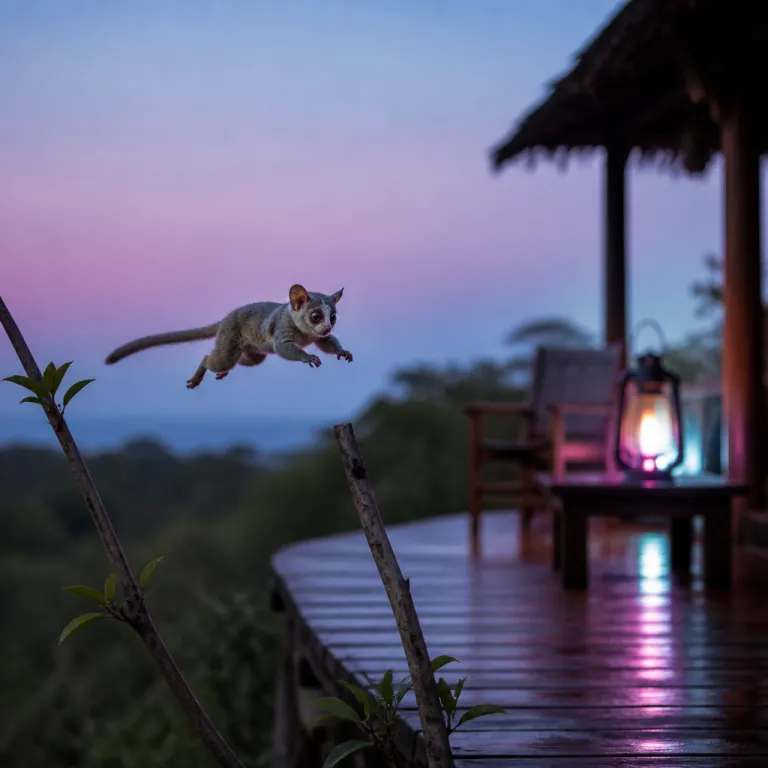
Once the park closes at 17:00, the focus shifts from the official trail network inside the national park to the verge of National Road 25, where night walks are permitted. Local regulations mean that the night walk experience unfolds just outside park Ranomafana, yet the same forest and the same wildlife press right up to the tarmac. According to the official guidance, “Mouse lemurs, chameleons, leaf-tailed geckos.” are among the headline nocturnal species, and that short list barely hints at the diversity on offer.
Families usually start their night walk around 18:30, when the last light drains from the canopy and the first mouse lemur eyes reflect in the beams of flashlights. Guides trained in park Madagascar protocols listen for rustles, soft contact calls and the faint scrape of geckos on bark before they ever switch on a lamp. Children quickly learn that in this forest, sound is often the first guide to wildlife, and the thrill of spotting tiny bamboo lemurs or a golden bamboo lemur silhouette in the dark can eclipse daytime sightings.
Beyond lemurs, the nocturnal roster includes leaf tailed geckos flattened against mossy trunks, Brookesia chameleons no longer than a matchstick and spiny tenrecs snuffling through bamboo litter. These wild encounters feel intimate because group sizes are kept small and the guide will usually position each person carefully before revealing an animal with a narrow beam. For premium travellers used to safari norms in South Africa, the proximity here is striking ; you stand on a simple roadside verge, yet the forest of Ranomafana presses in with a density of species that rivals far larger national parks.
Planning a broader Madagascar itinerary around these experiences requires some calendar discipline, especially in the dry season when demand for the best lodges peaks. If you are travelling during the southern winter holidays, read this detailed advice on booking Madagascar’s July peak and why the best lodges fill early. Securing your preferred lodge ranomafana dates first, then building Andasibe and other park stops around them, usually yields a calmer, more wildlife focused trip.
How night walks work in practice for families
Night walks around Ranomafana are tightly structured, which reassures parents travelling with older children or teenagers. The park itself is closed after 17:00, so guides lead guests along the road that skirts the forest, staying within clearly defined sections near the park entrance. Local regulations require that a certified guide is mandatory for every night walk, and flashlights or headlamps are strongly recommended for each person.
Groups usually gather at a simple roadside meeting point, where guides explain light etiquette and basic safety before stepping into the dark. You are asked to keep beams low and avoid shining directly into lemurs’ eyes, while the guide manages the main spotting light and quietly coordinates with other teams along the road. This choreography keeps the experience calm even when several lodges have guests out, and it allows children to focus on the wildlife rather than on logistics.
From a practical standpoint, families should wear closed shoes with good grip, long trousers and a light waterproof layer, as the forest holds humidity even in the dry season. Bring your own flashlight if possible, because lodge equipment can be limited when rooms are full and a personal light lets each child feel engaged in the search. For those combining Ranomafana with whale watching or coastal stays, it can be helpful to read a specialist guide to choosing a humpback season lodge away from crowds before locking in your wider national parks circuit.
Parents often ask whether a night walk will be too intense for younger children, and the answer usually depends more on bedtime than on fear. The pace is gentle, with frequent stops whenever a guide locates a mouse lemur, a golden bamboo lemur or a roosting chameleon, and the total distance rarely exceeds a few kilometres. Teenagers in particular tend to rate the night walk as the highlight of their trip, precisely because it feels like a shared secret between the family, the guide and the forest.
Where to stay: lodges that work with late returns
Not every hotel near Ranomafana is set up for guests who return after 20:00 with muddy shoes and full memory cards. When you are choosing a ranomafana national park lodge in Madagascar, look for properties that explicitly mention night walk support, flexible dinner hours and proximity to the park entrance. The closer your lodge is to Ranomafana village and the main gate, the easier it becomes to slip from forest to hot shower without a long transfer.
Setam Lodge remains one of the best positioned options for travellers who prioritise access to the park over in town atmosphere. Perched on a hillside above the road, Setam Lodge offers simple but comfortable rooms with balconies that look across the forested valley, and the drive to the park entrance usually takes less than ten minutes. Staff are used to guests heading out again after dark, so dinner can often be held or served in stages, which is invaluable when a night walk runs longer than expected.
In Ranomafana village itself, several small properties and at least one hotel thermal complex cluster near the thermal Ranomafana hot springs, which have long attracted Malagasy visitors. Staying near the hot springs allows you to soak tired legs after a day in the national park, then stroll to meet your guide for a night walk without needing a vehicle. Families who prefer to avoid steep paths or many stairs may find these village based lodges easier than hillside options, especially when returning at night.
Whichever lodge ranomafana you choose, ask specific questions before booking about how they handle late returns, packed breakfasts for early park starts and storage for damp clothing. A property that understands the rhythm of wildlife focused trips will have drying racks, early coffee and a clear system for pairing guests with a trusted guide. For broader inspiration on how to balance rainforest lodges with coastal retreats, consider this in depth piece on planning an exceptional stay on Nosy Be for luxury minded travellers, then mirror that same level of planning detail for your time in Ranomafana.
Thermal waters, logistics and combining parks without rushing
Ranomafana takes its name from the hot springs that bubble near the village, and these thermal waters still shape how travellers experience the area. After a long day in the forest or a late night walk, soaking in or simply visiting the hot springs area can be a gentle way to reset before another early start. Some travellers choose a hotel thermal complex close to the springs, while others stay at a lodge higher above the valley and visit the thermal ranomafana pools as an afternoon excursion.
Reaching Ranomafana usually involves a long drive from Antananarivo or Fianarantsoa, and the last stretch along the RN7 and RN25 can feel slow. Independent travellers sometimes arrive by taxi brousse, the shared minibus system that links much of Madagascar, but families seeking premium comfort generally prefer a private vehicle with a driver guide. Whatever your transport, plan at least two full days inside or alongside the park to justify the journey, with one day focused on daytime lemur species and another anchored around a night walk.
Many itineraries pair Ranomafana with Andasibe Mantadia National Park in the eastern rainforest corridor, creating a powerful contrast between two different forest types and lemur communities. While Ankarana in the north holds the highest primate density in the country, Ranomafana’s mix of bamboo lemurs, golden bamboo lemur and other lemur species in a single national park makes it uniquely rewarding for families. If you are also visiting coastal areas or whale watching hubs, remember that a thorough circuit of Madagascar’s key national parks usually requires at least ten to fourteen days of travel.
Some travellers ask whether Ranomafana or Andasibe offers better wildlife, but the more useful question is how each park complements the other. Andasibe excels for indri calls at dawn and relatively easy access from the capital, while park Ranomafana delivers a deeper immersion in humid forest, more lemur species and a stronger emphasis on night walks. For families who value both comfort and wild encounters, structuring your trip around a few carefully chosen lodges rather than many rushed stops will always yield richer memories.
Conservation context: golden bamboo lemurs and future proofing your stay
The story of Ranomafana is inseparable from the golden bamboo lemur, a species that helped catalyse the creation of the park itself. When scientists confirmed this lemur species in the 1980s, its tiny range and dependence on bamboo stands highlighted how fragile Madagascar’s rainforest ecosystems had become. Today, visitors who stay at a ranomafana national park lodge in Madagascar are effectively supporting the long term protection of that same forest, simply by paying park fees and hiring local guides.
Although Ranomafana is not currently inscribed as a UNESCO heritage site, it forms part of the broader conservation narrative that includes Madagascar’s existing UNESCO heritage rainforests. The park’s 13 lemur species, including several bamboo lemurs, underline why this region is often cited in global biodiversity reports. When you walk the trails by day and the roadside verge by night, every wild call and rustle reinforces how much is at stake if these forests are not managed carefully.
Responsible lodges such as Setam Lodge and other properties near Ranomafana village increasingly work with conservation organisations to channel visitor spending into tangible projects. Some support guide training, others contribute to reforestation or environmental education, and a few help fund research on lemur species and other wildlife. As a guest, you can ask how your chosen lodge ranomafana collaborates with park authorities, whether they encourage low impact night walk practices and how they manage waste in a landscape where every stream ultimately feeds the forest.
For families used to the polished infrastructure of South Africa’s private reserves, the logistics around park Madagascar visits can feel more improvised, but the rewards are profound. You trade slick highways for winding roads and taxi brousse traffic, yet you gain access to a national park where golden bamboo lemurs, mouse lemurs and leaf tailed geckos still thrive in the wild. Thoughtful planning, honest conversations with your hotel and a willingness to stay past sunset will ensure that your trip supports both your children’s curiosity and Ranomafana’s long term resilience.
FAQ
Are night walks inside Ranomafana National Park or only along the road ?
Night walks take place along the edge of Ranomafana National Park, primarily beside National Road 25 rather than on the official internal trail network. The park is closed after 17:00, so guides operate just outside the boundary where the same forest habitat reaches the roadside. Wildlife such as mouse lemurs, chameleons and leaf tailed geckos still use this strip of forest, which is why sightings remain excellent.
What animals can families expect to see during a typical night walk ?
Most families see at least one mouse lemur, several chameleons and a selection of frogs or invertebrates on a standard night walk. With an experienced guide and a bit of luck, you may also glimpse bamboo lemurs, the golden bamboo lemur or a leaf tailed gecko pressed flat against a mossy trunk. Sightings vary by season and weather, but the overall wildlife density around park Ranomafana is consistently high.
Is a local guide really mandatory for night walks near Ranomafana ?
Yes, regulations require that all night walks be led by certified local guides who know the terrain and the behaviour of nocturnal species. This rule protects both visitors and wildlife, ensuring that light use is controlled and that groups stay on safe, authorised sections of the roadside verge. Booking your guide through your lodge or at the park entrance also helps support the local community.
How many nights should I spend at a ranomafana national park lodge in Madagascar ?
For most premium family itineraries, two to three nights at a lodge near Ranomafana strikes the right balance between travel time and depth of experience. This allows for at least one full day of daytime hiking, one dedicated night walk and some flexibility for weather or rest. Travellers combining several national parks across Madagascar often allocate ten to fourteen days in total, with Ranomafana as one of the core rainforest stops.
Can Ranomafana be combined with other major parks without feeling rushed ?
Ranomafana pairs naturally with Andasibe Mantadia in the eastern corridor, and some itineraries also add dry forest or limestone landscapes in the north. To avoid rushing, limit yourself to two or three major national parks and choose lodges that minimise transfer times to each park entrance. Working with a specialist operator or a well informed driver guide helps sequence these parks logically so that both adults and children stay engaged rather than exhausted.
Sources
Ranomafana National Park official site ; Madagascar National Parks ; San Diego Zoo Wildlife Alliance.