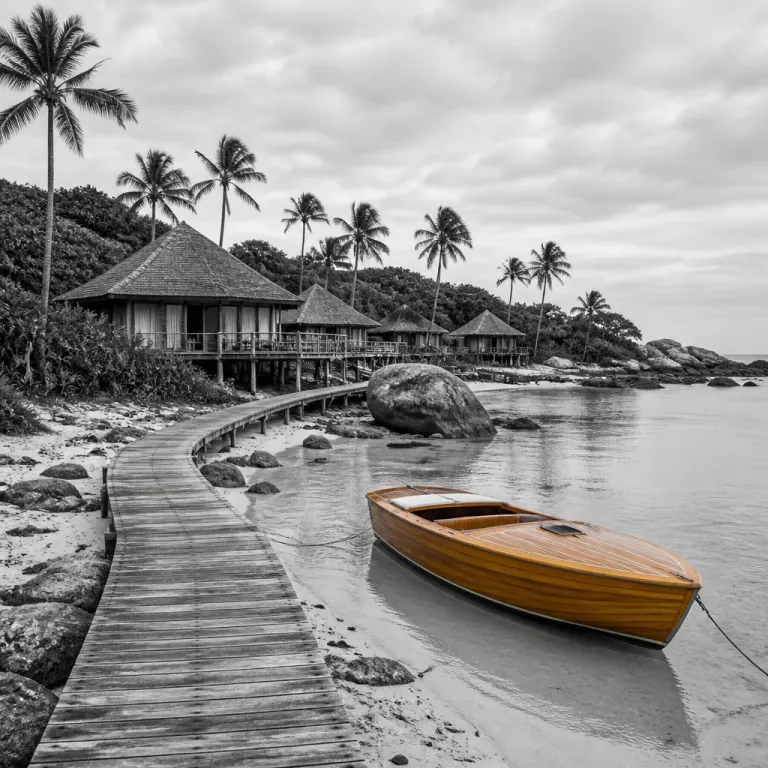
Nosy Boraha refined: understanding Sainte‑Marie’s quiet luxury
Nosy Boraha, also known as Sainte‑Marie Island, offers a rare blend of castaway calm and discreet luxury. On this slender island off Madagascar’s east coast, high‑end hotels focus on space, privacy, and a deep connection with the Indian Ocean. Every refined stay here is shaped by the island’s preserved character, its pirate legends, and the seasonal passage of humpback whale pods.
The main town of Ambodifotatra anchors the experience, yet most premium properties sit along remote coves where each stretch of sand feels almost private. From these retreats you enjoy a panoramic ocean view, often framed by coconut palms and traditional pirogues that remind you this is still rural Madagascar. Many guests arrive with a gallery of glossy photos and stock pictures in mind, then quickly realise that no royalty‑free images or polished visuals can match the real colours of Nosy Boraha.
Nosy Boraha covers about 222 km², with around 30,000 residents; widely used geographic references and census estimates from Madagascar’s national statistics office converge on these figures, and this low density keeps the atmosphere intimate. The dominant Betsimisaraka communities and their fishing activity shape the rhythm of daily life along the Sainte‑Marie coastline. When you book a luxury hotel here, you are not only paying for comfort; you are also supporting local livelihoods and a tourism model that aims to remain small‑scale and respectful of the island environment.
Choosing the right luxury hotel zone on Sainte‑Marie island
For travellers comparing premium hotels on Nosy Boraha, the first decision is location along the island. Around Ambodifotatra you find easier access to services, while the northern and southern coasts of Sainte‑Marie offer more secluded beaches and quieter fishing villages. Each zone delivers a different balance between convenience, immersion in Malagasy coastal culture, and the level of barefoot luxury you expect.
The south of Nosy Boraha is ideal if you want quick access to the whale‑watching boats that operate during the migration season. Many high‑end lodges here design terraces and infinity pools that frame the ocean view, so you can sometimes spot a whale tail from your sun lounger. Families who combine Sainte‑Marie with a mainland circuit through the dry forests, such as a stay near Berenty Reserve, often plan their itinerary using a detailed guide to family‑friendly Madagascar itineraries.
The north of the island feels wilder, with long arcs of sand and fewer villages, which suits couples seeking privacy and uninterrupted Indian Ocean horizons. Here, some properties integrate natural materials and open‑air bathrooms, allowing you to hear the waves and the night calls of the chameleon species that live in the surrounding forest. On the western side near Ambodifotatra, you gain easier access to the pier for ferries to mainland Madagascar, while still enjoying refined rooms and curated menus that highlight Sainte‑Marie seafood.
What luxury really means on Nosy Boraha: services, privacy, and nature
Luxury on Nosy Boraha is less about marble lobbies and more about time, space, and attentive service. Many premium hotels on Sainte‑Marie Island offer only a handful of villas, which means staff quickly learn your preferences and adapt meal times to your whale‑watching or diving schedule. This discreet service style suits travellers who value privacy and a strong sense of place on a remote island in Madagascar.
High‑end properties often provide private pirogue excursions, guided walks to the historic pirate cemetery, and tailored whale‑watching outings during the migration season. One concise summary from regional tourism boards captures the essence of the destination: Nosy Boraha is recognised for its preserved character, reliable whale encounters, beautiful beaches, and history as a pirate haven. When you book through a specialised Madagascar hotel platform, you can filter for lodges that combine these experiences with spa treatments, refined Malagasy‑French fusion cuisine, and curated wine lists.
Responsible operators also pay attention to marine conservation, especially as shark and ray protections evolve around Madagascar under national regulations and regional agreements such as the Convention on Migratory Species. If you plan to dive or snorkel from Sainte‑Marie, it is worth reading about new shark and ray protections for divers before confirming your stay. Choosing a hotel that partners with conservation projects helps ensure that the rich Indian Ocean life around Sainte‑Marie remains healthy for future guests and for local fishing communities.
From pirate history to whale watching: experiences that shape your stay
Nosy Boraha’s story stretches from early Indonesian and African settlers to the notorious pirates who once sheltered in its bays. Today, luxury travellers can visit the old pirate cemetery near Ambodifotatra, where weathered tombstones overlook the ocean and remind you how strategic this island once was. Guides from the Betsimisaraka communities share legends that bring these sites alive, turning a simple walk into a vivid encounter with Sainte‑Marie’s history.
Between roughly July and September, the waters off Sainte‑Marie become one of the best whale‑watching arenas in Madagascar. Boats depart from several points along the coast, and many hotels coordinate departures so you can leave directly from the beach in front of your room. Ethical operators follow guidelines from organisations such as the International Whaling Commission, keeping a respectful distance from each whale group and allowing you to capture powerful photographs without disturbing the animals.
On land, the humid forests of Nosy Boraha shelter chameleon species, orchids, and small lemurs, which you can often see on guided night walks. Some luxury lodges maintain private forest trails, so you can photograph a chameleon at close range and then return to a candlelit dinner by the Indian Ocean. These experiences create personal images in your memory that no royalty‑free photos or generic stock pictures could ever replace.
Visualising your stay: from photos and stock pictures to real island light
Many travellers first meet Nosy Boraha through glowing online galleries filled with turquoise water and palm‑fringed coves. Hotel websites and booking platforms rely heavily on photos, stock pictures, and sometimes royalty‑free visuals to convey the mood of Sainte‑Marie Island. These images help you compare room categories, beach width, and the quality of each ocean view before you commit to a specific property.
When you look closely at professional photos, pay attention to how many people appear on the beach and how the light falls on the Sainte‑Marie coastline. Carefully curated stock collections often show empty shores, but satellite views and guest‑generated photos can confirm whether that quiet atmosphere is realistic in the season you plan to travel. Some platforms label certain galleries as royalty‑free or stock pictures, while others highlight guest images that better reflect daily life on the island’s shores.
To go beyond marketing images, consider reading a detailed planning guide that explains how weather, tides, and whale migration shape the experience on this island. A useful resource is this in‑depth article on planning an exceptional luxury stay on a Malagasy island, which offers practical advice that also applies to Nosy Boraha. Once you arrive, you will likely create your own photos of Ambodifotatra’s harbour, the chameleon‑rich forests, and the long arcs of sand that no pre‑trip gallery could fully anticipate.
Practical booking advice for premium stays on Nosy Boraha
Reaching Nosy Boraha usually involves either a domestic flight or a ferry crossing from the east coast of Madagascar. Travellers often sail from Soanierana Ivongo or Mahambo to Ambodifotatra, then transfer by road along Sainte‑Marie to their chosen hotel. Because schedules can change with weather and sea conditions, it is wise to book flexible rates and allow a buffer night on the mainland before or after your island stay.
When comparing luxury hotels, look beyond room size and focus on how each property integrates with the coastal environment. Some lodges sit directly on the beach with unobstructed Indian Ocean views, while others perch slightly inland with lush gardens and glimpses of the sea. Check whether your chosen hotel supports local Betsimisaraka staff, sources seafood from nearby fishers, and participates in conservation or community projects on Nosy Boraha.
Local governance also matters for long‑term sustainability, and municipal authorities play a role in balancing tourism growth with community needs. As visitor numbers rise, the island’s goals remain clear: preserve cultural heritage, promote sustainable tourism, and enhance local livelihoods across this corner of Madagascar. By choosing responsible operators and booking through platforms that prioritise these values, you help ensure that Nosy Boraha’s beaches, forests, and whale‑rich waters remain exceptional for future travellers.
Key figures and travel statistics for Nosy Boraha
- Nosy Boraha covers approximately 222 km², which makes Sainte‑Marie Island compact enough to explore in a few days while still offering varied beaches and forested interiors; this surface area is consistently reported in regional atlases, online geographic databases, and summaries from Madagascar’s national statistics office.
- The island’s population is around 30,000 people, according to recent national census summaries and demographic estimates, meaning guest numbers can quickly influence local livelihoods and underline the importance of sustainable luxury tourism models.
- Historical records indicate that the island served as a pirate haven between the 17th and 18th centuries, and this legacy now supports guided cultural tours from Ambodifotatra that enrich high‑end stays.
- Whale‑watching tourism has grown significantly in recent decades, turning the waters off Sainte‑Marie into one of Madagascar’s flagship marine wildlife destinations during the migration season, as documented by regional marine‑mammal monitoring programmes.
- Access routes typically include ferries from Soanierana Ivongo or Mahambo and domestic flights to the local airport, so travellers booking premium hotels should factor in potential weather‑related schedule changes and allow extra time for connections.
FAQ: planning a luxury stay on Nosy Boraha
What is Nosy Boraha best known for among luxury travellers ?
Nosy Boraha is renowned for its preserved character, reliable whale watching, beautiful beaches, and pirate history, all of which combine with small‑scale premium hotels to create an intimate island experience. High‑end guests value the quiet atmosphere of Sainte‑Marie and the ability to access both marine wildlife and cultural sites from refined bases. This mix of nature, history, and comfort is rare along the east coast of Madagascar.
How do you reach Sainte‑Marie island for an upscale hotel stay ?
Most travellers reach Nosy Boraha either by domestic flight to the island’s airport or by ferry from Soanierana Ivongo or Mahambo on the mainland. On arrival in Ambodifotatra, hotels usually arrange private transfers by 4x4 along the coast to your chosen property. Because sea conditions can affect ferry schedules, it is prudent to keep your itinerary flexible and avoid tight same‑day international connections.
When is the best period to visit Nosy Boraha for whale watching ?
The prime whale‑watching period off Sainte‑Marie generally runs from July to September, when humpback whales migrate through the surrounding Indian Ocean waters, as reported by regional marine research institutes. During these months, many luxury hotels coordinate daily boat departures and sometimes offer ocean‑view rooms where you can spot distant blows. If whale encounters are a priority, book early because premium rooms often sell out for this season.
Which area of the island should I choose for a luxury hotel ?
The south of Nosy Boraha suits travellers focused on whale watching and easy access to boat launches, while the north offers more secluded beaches and a stronger sense of remoteness. Around Ambodifotatra you gain quicker access to services and transport, which can be convenient for shorter stays. Your choice should balance privacy, logistics, and the type of experiences you value most, from chameleon‑filled forest walks to cultural visits.
How does staying on Nosy Boraha benefit local communities ?
Luxury tourism on Sainte‑Marie supports jobs for Betsimisaraka residents in hotels, guiding, fishing, and agriculture, especially when properties prioritise local hiring and sourcing. Responsible operators also contribute to community projects and conservation initiatives that protect beaches, forests, and marine life. By selecting such hotels and booking through platforms that highlight sustainability, you help align economic growth with cultural and environmental preservation on this Malagasy island.