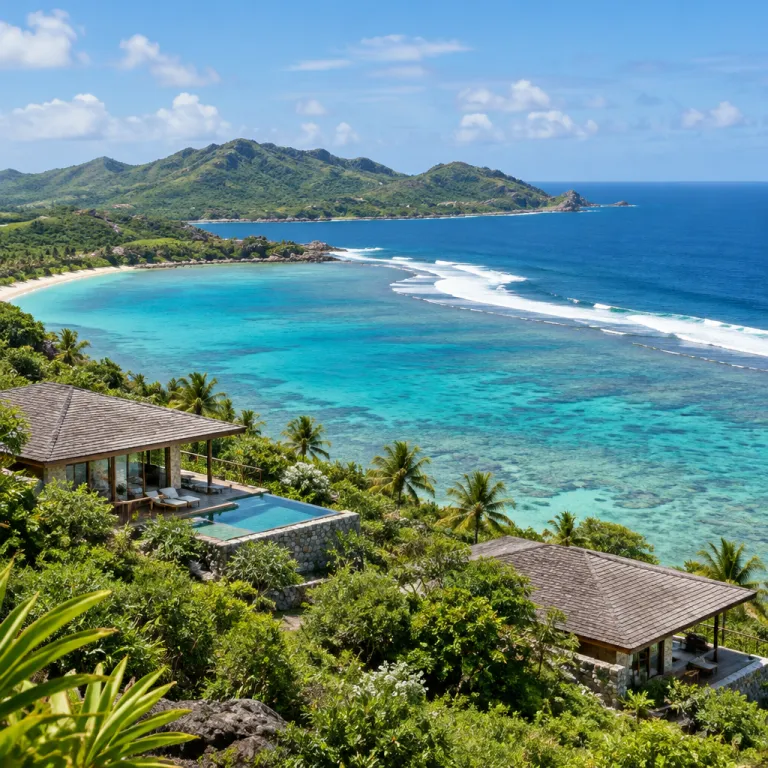
Madagascar geography as the quiet architect of luxury travel
Madagascar’s geography is the silent force that shapes every premium stay. This vast island in the Indian Ocean stretches north–south for more than 1 500 km, so the distance between regions transforms how people experience climate, landscapes, and luxury hotels. For travellers choosing a high end property, understanding how the island of Madagascar is arranged as a country is the first step to matching expectations with reality.
The island is the fourth largest on the planet, and this scale explains why a stay on the humid east coast feels completely different from a retreat on the dry west coast. From a hospitality perspective, the physical map of Madagascar divides the land into distinct belts, and each belt supports different levels of access, comfort, and exclusivity for guests. When you compare coastal resorts with lodges in the central highlands, you are really comparing separate worlds that share a national flag but not the same travel rhythm.
Luxury travellers often focus on the name of a property, yet the most refined experiences come from reading the land first. Articles about Madagascar that highlight only beaches or only wildlife miss how the country’s rivers, plateaus, and mountains dictate travel times and service standards. If you understand where the Tsaratanana Massif rises, where the central highlands flatten, and where the coast opens to the Indian Ocean, you can choose hotels that turn geography into comfort instead of inconvenience.
Central highlands and Antananarivo: altitude, elegance, and jacaranda seasons
The central highlands form the backbone of Madagascar’s geography, running north–south like a spine and hosting the capital Antananarivo at about 1 200 m of altitude. This high land has a temperate climate with a lower average humidity than the coasts, which suits travellers who prefer cool evenings, refined gastronomy, and elegant city hotels. For premium guests, the highlands west of Antananarivo offer discreet countryside retreats, while the urban core concentrates national institutions and the most established luxury addresses.
During the rainy season, Antananarivo becomes a stage for soft mists, while the dry season brings crisp skies and clear views over terraced rice fields. One of the most atmospheric times to book a high end stay is during the jacaranda bloom, when avenues turn purple and the city’s French influenced architecture feels almost theatrical; for a detailed look at this moment, see this guide to the jacaranda season in the highlands. Because the climate is milder than on the east coast or west coast, many travellers choose to start or end their itinerary here, combining cultural visits with spa treatments and fine dining.
From a practical angle, Madagascar’s topography makes Antananarivo the main air gateway, so most people pass through even when their final goal is a remote island or a wild national park. The city’s position in the central highlands also means that domestic flights with airlines such as Tsaradia fan out like spokes toward the coasts, which affects how you connect luxury stays in different regions. When you plan where to live Madagascar for a week or more, consider at least one night in the capital to adjust to the country’s altitude, climate, and rhythm before heading toward more remote, species rich areas.
East coast and west coast contrasts: where geography guides hotel style
On the east coast, Madagascar’s relief meets the full force of the Indian Ocean, and this exposure shapes both climate and hospitality. Cyclones frequently hit the east coast during the rainy season, so luxury hotels here are often built with strong structures, elevated walkways, and careful landscaping to manage water flow. The result is a style of coastal retreat where guests enjoy lush vegetation, dramatic waves, and intense flora and fauna, but with robust engineering quietly protecting every stay.
The west coast faces calmer seas and a drier climate, which encourages a different kind of premium property. Here, the island’s western fringe offers long beaches, mangroves, and sunsets over the ocean, and hotels can spread low along the shore with open air lounges and infinity pools that merge with the horizon. Because the dry season lasts longer on the west, high end resorts can plan more reliable outdoor activities, from private cruises to river excursions on some of the country’s major rivers such as the Tsiribihina and the Betsiboka.
Choosing between east and west is not only about scenery; it is about how you want to feel each day. If you prefer dramatic weather, emerald forests, and the sound of heavy rain on a thatched roof, the east coast will suit you, especially during the heart of the rainy season when the land feels intensely alive. If you value clear skies, predictable sea conditions, and long golden evenings, the west coast and the highlands west of the central plateau will align better with your expectations, and this comparison is explored in depth in this analysis of how the Madagascar map location shapes luxury hotel choices.
Islands, oceans, and coastal hideaways: from Sainte Marie to remote archipelagos
While the main island of Madagascar dominates maps, some of the most refined hotel experiences sit on smaller islands just off the coast. Sainte Marie, also known as Nosy Boraha, lies off the east coast and combines calm lagoons with a cooler maritime climate, which appeals to travellers seeking understated luxury and a strong sense of place. Because Madagascar’s position places Sainte Marie along a migration route, the island is famous for seasonal whale watching, and many high end lodges design suites and terraces around this spectacle.
On the northwest coast, archipelagos like Nosy Be benefit from sheltered waters in the Indian Ocean, where the climate is warmer and drier than on Sainte Marie. Here, the land meets the ocean in a series of coves and coral reefs, and premium hotels focus on overwater experiences, private boat charters, and curated dives among endemic marine species in areas such as Lokobe National Park or the surrounding marine reserves. For guests comparing islands, the choice often comes down to whether they prefer the more intimate, history rich atmosphere of Sainte Marie or the resort style energy of the northwest islands.
Because this country stretches across several climatic zones, each island cluster offers a different balance between rainy season and dry season, which directly affects when to book. A refined guide to luxury island stays on Sainte Marie shows how Madagascar’s coastal geography, ocean currents, and local culture combine to create a distinct hospitality identity. When you plan where to live Madagascar for a week of coastal relaxation, consider not only the hotel brand but also how the surrounding land, reefs, and channels will shape your days.
Wild landscapes, flora fauna, and the logistics of reaching remote luxury
Madagascar is globally recognised for its extraordinary flora and fauna, and the island’s geological history explains why so many species are unique. The landmass separated from other continents millions of years ago, and this isolation allowed lemurs, baobabs, and countless smaller species to evolve without competition, which is why Madagascar’s famous wildlife draws travellers from every continent. As one expert summary notes, "Approx 90% of its flora and fauna are endemic" (IUCN and peer reviewed biodiversity studies), a figure that shapes both conservation policies and the design of high end eco lodges.
For luxury guests, the challenge is that the same rivers, mountains, and forests that protect biodiversity also complicate access. In the north, the Tsaratanana Massif rises to the country’s highest point, and the rugged land around it supports only a few carefully placed lodges that cater to people seeking rare species and total seclusion. In the south and southwest, semi arid zones with a low average rainfall host spiny forests and coastal dunes, where premium properties must manage scarce natural resources while still offering comfort.
Reaching these remote areas often requires a combination of domestic flights, 4x4 transfers, and sometimes river boats, so Madagascar’s geography directly influences travel time and cost. Articles that gloss over these logistics can mislead people into underestimating how long it takes to move from a national park such as Isalo or Andasibe–Mantadia to a coastal resort. When you plan an itinerary, allow extra days between regions, especially during the rainy season when rivers swell and tracks become difficult, and remember that the reward is access to landscapes and species found nowhere else on this island or any other country.
Climate, climate change, and how seasons shape premium stays
The climate of Madagascar varies sharply between regions, and this variation is central to choosing the right luxury hotel. Tropical coasts, temperate highlands, arid south; hot rainy November to April, cool dry May to October — this pattern defines when properties open, how they price, and what experiences they can guarantee. For travellers, understanding these climate bands is as important as comparing room categories or spa menus.
On the east coast, the rainy season brings heavy downpours and occasional cyclones, which can disrupt flights but also feed lush rainforests and full rivers. The west coast and parts of the south experience a longer dry season, with clear skies and a more predictable ocean, which suits high end sailing, diving, and sunset cruises. In the central highlands, including Antananarivo, temperatures stay moderate, and many people appreciate the cool nights and lower average humidity that favour elegant city stays.
Climate change is already influencing Madagascar’s landscapes in subtle but important ways, from shifting rainfall patterns to increased coastal erosion. Deforestation causes soil erosion, and this erosion can affect access roads to remote lodges, while cyclones frequently hit the east coast during the rainy season and sometimes damage coastal infrastructure. When you evaluate premium hotels, look for those that invest in resilient construction, water management, and protection of natural resources, because these choices will determine the quality of your stay in the coming years and the experience of people who visit long after you.
People, culture, and the national context behind luxury hospitality
Behind every refined stay in Madagascar stands a complex human story that is deeply tied to the island’s physical setting. The Malagasy population is spread unevenly across the island, with higher densities in the central highlands and around Antananarivo, and lower densities in some remote coastal and southern regions. This distribution affects where hotels can recruit qualified staff, how they train teams, and how they integrate local culture into guest experiences.
The country’s history as a former French colony still shapes language, architecture, and gastronomy, especially in urban centres and long established coastal towns. National institutions based in Antananarivo, from ministries to the office of the prime minister, influence infrastructure projects that connect high end resorts to airports and ports along the coast. For travellers, this means that the most polished luxury experiences often appear where geography, history, and governance intersect, such as in the capital, on major islands, and near flagship national parks.
Many people who live Madagascar combine farming, fishing, and tourism related work, especially in regions where the natural environment offers both fertile land and access to the ocean. When you stay in a premium property, your presence supports jobs that depend on healthy rivers, a stable climate, and preserved forests, so your choices carry weight beyond the hotel walls. Over the years, as climate change and economic shifts reshape this largest island in the region, thoughtful travellers will increasingly seek hotels that respect both the land and the communities that call this country home.
Key figures that shape luxury travel in Madagascar
- Madagascar covers about 587 041 square kilometres of land, making it the fourth largest island globally and allowing very different regional hotel markets to coexist within one country (CIA World Factbook).
- The coastline stretches for roughly 4 828 km, so premium properties can choose between exposed east coast locations facing the Indian Ocean or more sheltered west coast bays (CIA World Factbook).
- The highest point in the Tsaratanana Massif reaches about 2 876 m, and this altitude creates cooler microclimates that favour intimate mountain lodges and trekking focused stays (CIA World Factbook).
- Madagascar’s climate pattern of a hot rainy season from November to April and a cooler dry season from May to October means that many luxury hotels adjust rates and activities around these two main periods (CIA World Factbook synthesis).
- Because approximately 90% of its flora and fauna are endemic, high end eco lodges can offer wildlife experiences that no other island or continental country can replicate, which justifies longer stays and higher conservation fees (IUCN and leading biodiversity research).
FAQ about Madagascar geography and luxury hotel planning
What is Madagascar’s climate and how does it affect hotel choice ?
Madagascar has tropical coasts, temperate central highlands, and an arid south, with a hot rainy season from November to April and a cooler dry season from May to October. Coastal luxury hotels are more exposed to heavy rains and cyclones during the rainy season, especially on the east coast, while highland properties enjoy milder temperatures year round. When planning, align your preferred activities with these seasonal patterns to choose the right region and hotel style.
Is Madagascar an island or part of mainland Africa ?
Madagascar is an island in the Indian Ocean, separated from mainland Africa by the Mozambique Channel and sharing no land borders with any country. This insular position explains both its unique biodiversity and the need for flights or long sea crossings to reach it. For travellers, it means that internal flights and careful routing are essential when combining several regions in one itinerary.
Why is Madagascar’s biodiversity so special for luxury travellers ?
Madagascar’s long isolation and varied geography created an exceptional level of endemism, with about 90% of its flora and fauna found nowhere else. High end lodges near national parks and remote reserves can therefore offer exclusive wildlife encounters, from lemurs to rare chameleons and baobab species. This uniqueness allows luxury properties to design immersive, conservation focused experiences that justify premium pricing and longer stays.
How does geography influence travel times between regions ?
Mountains in the central highlands, the Tsaratanana Massif in the north, and numerous rivers mean that overland travel can be slow, especially during the rainy season. Even though distances may look short on a map, road conditions and elevation changes often extend transfer times between the coast, highlands, and southern regions. Many luxury itineraries therefore combine domestic flights with shorter road segments to maintain comfort and reliability.
Which regions are best for combining culture and coastal luxury ?
Antananarivo in the central highlands offers cultural depth, French influenced architecture, and refined city hotels, while islands like Sainte Marie or the northwest archipelagos provide coastal luxury with strong local character. A popular approach is to spend a few nights in the capital for museums and gastronomy, then fly to an island or west coast resort for ocean based relaxation. This combination uses Madagascar’s geography to balance urban sophistication with beachside tranquillity in a single journey.