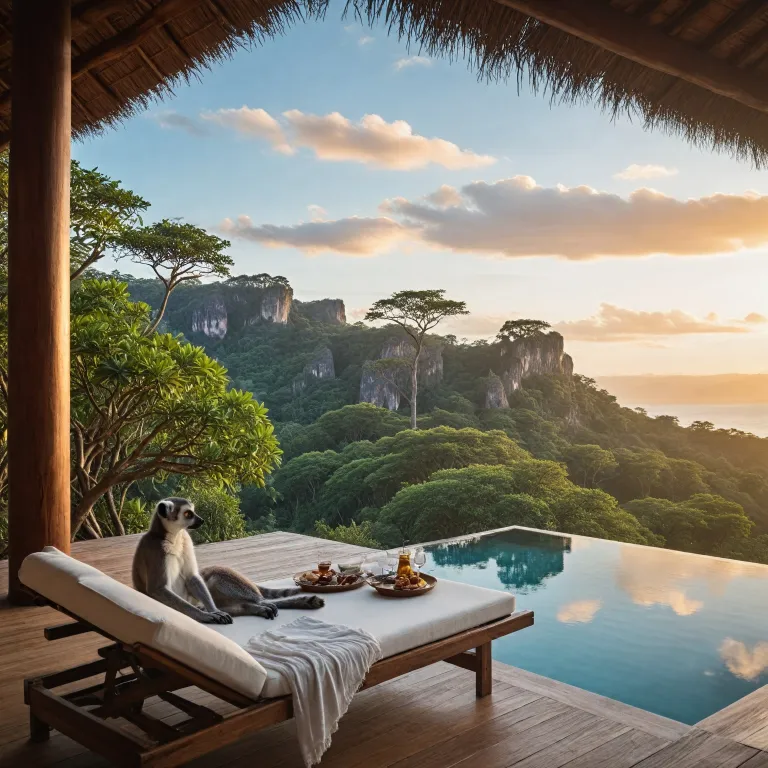
How the best time to visit Madagascar shapes luxury travel
Choosing the best time to visit Madagascar is the single most important decision for a refined trip. For guests seeking premium hotels and seamless service, aligning their time to visit with the island’s climate patterns ensures comfort, safety, and elevated experiences. Luxury travelers usually want the best balance between pleasant weather, reliable logistics, and access to Madagascar’s most exclusive national park lodges.
Across the island, the dry season from April to November is widely considered the best time for upscale travel Madagascar itineraries. During this long dry season, roads are more passable, internal flights are less disrupted, and high end coastal resorts can fully showcase their private beaches and curated activities. Average daytime temperatures hover around 25 °C in many regions, which feels excellent for poolside relaxation and guided excursions.
Within this broad dry season, April to October is often highlighted as the best time for wildlife focused guests who also value premium comfort. Many travelers plan their visit Madagascar journey around specific months such as july, august, september, or october, when lemur viewing and whale watching are at their peak. For those who prefer quieter stays and more personalized attention in luxury properties, the shoulder months of apr jun and sep oct can be especially good.
By contrast, the wet season from december to march brings heavier rainfall, higher humidity, and a greater risk of cyclones in some coastal areas. While certain travelers still choose a time visit during the wet season for lower rates, they must accept more unpredictable weather and occasional disruptions. Understanding these seasonal nuances allows discerning guests to match their expectations with the realities of Madagascar’s complex climate.
Dry season elegance: april to november as the best time for premium stays
For most luxury travelers, the dry season is the best time to visit Madagascar because it combines stable weather with polished hospitality. From april to november, skies are generally clearer, and the weather is less humid, which supports a full range of high end experiences from helicopter transfers to private yacht charters. This period is particularly good for guests who want to combine multiple regions in one travel Madagascar itinerary without worrying about frequent delays.
Within this dry season, apr jun is often praised as an excellent window for those who enjoy lush landscapes without the heaviest crowds. During mar apr and even into early may, some areas still retain a touch of green from the previous wet season, creating photogenic backdrops for luxury lodges near a national park. Temperatures remain comfortable, and the slightly quieter atmosphere can translate into more attentive service and better suite availability.
From jun jul into jul aug, the island enters one of its most popular phases for high end visitors. Cooler temperatures make city explorations in Antananarivo and guided hikes in national park areas more pleasant, while coastal resorts benefit from calmer seas and clear horizons. Because this is a peak time visit for affluent guests, it is wise to secure preferred room categories and private guides several months in advance.
Later in the dry season, sep oct and oct nov are widely regarded as an excellent choice for wildlife enthusiasts who still want refined comfort. Many travelers consider august good for combining whale watching with stays in premium oceanfront suites, while september and october are ideal for seeing baby lemurs. Throughout this extended dry season, the combination of reliable weather, manageable temperatures, and polished service makes it the best time for most luxury focused itineraries.
Month by month: aligning luxury expectations with Madagascar’s seasons
Planning a high end journey around the best time to visit Madagascar often means looking closely at individual months. From january to march, the island experiences its wettest conditions, and this january march period can bring heavy showers and occasional cyclones, especially along the east coast. During jan feb and feb mar, some remote lodges may be harder to reach, and road conditions can affect overland transfers between national park regions.
Despite these challenges, certain travelers still choose this time to visit for quieter hotels and potential value in premium suites. However, they must be comfortable with flexible plans, as the wet season weather can alter flight schedules and excursion timings. For guests who prioritize flawless logistics and uninterrupted spa appointments, this wet season is usually less suitable than the dry season.
As the calendar moves into mar apr and apr jun, conditions gradually improve, and many experts highlight april as a turning point. The combination of receding rains, fresher landscapes, and moderating temperatures creates a good environment for both coastal and inland stays. This is often when discerning travelers begin to book longer travel Madagascar itineraries that combine Antananarivo, a flagship national park, and a secluded beach resort.
From jun jul through jul aug and into aug sep, the climate is particularly favorable for guests who value cool evenings and clear days. Many consider august good for pairing whale watching with elevated gastronomy and curated wine lists at luxury properties. Later, sep oct and oct nov maintain excellent conditions, with october frequently cited as one of the best months to visit Madagascar for both wildlife and refined leisure.
Wildlife, weather, and national parks: timing immersive yet luxurious experiences
For many visitors, the best time to visit Madagascar is defined by wildlife encounters as much as by weather. The dry season from april to november offers the best opportunities for wildlife viewing, including baby lemurs in October and humpback whales from July to September. This quote from local tourism experts captures why so many high end travelers plan their time visit around these months.
In practical terms, the dry season provides more predictable access to each national park, which is crucial for guests staying in premium lodges that rely on well maintained trails and reliable 4x4 transfers. During jun jul and jul aug, cooler temperatures make guided walks more comfortable, allowing travelers to enjoy long days in the forest before returning to refined comforts. Many luxury properties coordinate their activity schedules with sunrise and sunset times to maximize sightings while preserving a relaxed pace.
From aug sep into september and october, marine life becomes a highlight, especially along the coasts where whale watching is possible. Guests often consider august good for combining these ocean experiences with spa treatments and private dining on the beach. In sep oct and oct nov, the combination of excellent wildlife viewing and stable weather creates a particularly good balance for those who want both adventure and indulgence.
Even during the wet season, some national park areas remain accessible, but the experience is more suited to flexible, weather tolerant travelers. Heavy rains between january and march can limit daily excursions and make certain trails slippery, which is less ideal for guests expecting seamless comfort. For most luxury focused itineraries, aligning travel Madagascar plans with the dry season remains the most reliable strategy.
How seasons influence luxury and premium hotel choices in Madagascar
Seasonality has a direct impact on availability, pricing, and service levels across Madagascar’s luxury and premium hotel landscape. During the extended dry season, especially from jun jul through jul aug and into aug sep, demand for high end rooms rises sharply. This is when the best suites with panoramic views, private pools, or exclusive access to a nearby national park often sell out first.
Travelers who aim for the best time to visit Madagascar while also seeking value may prefer the shoulder periods of apr jun and sep oct. In these months, the weather remains good, with comfortable temperatures and mostly dry conditions, yet occupancy can be slightly lower than at peak. This often translates into more personalized service, easier restaurant reservations, and greater flexibility for last minute excursions.
By contrast, the wet season from december to march can bring a different dynamic to luxury stays. Some coastal properties use this time to refresh facilities, while others offer attractive packages to encourage guests who are less sensitive to weather. However, because the wet season can disrupt travel Madagascar logistics, it is essential to work closely with experienced travel agencies and the Madagascar Tourism Board to manage expectations.
For travelers who want insight into the teams curating these high end experiences, reading about the team behind Madagascar’s luxury and premium hotel booking websites can be very helpful. Understanding how local experts interpret the best time and best season for each region adds depth to planning decisions. Their knowledge of microclimates, road conditions, and regional temperatures ensures that each time visit aligns with both comfort and safety.
Practical planning tips for choosing your best time to visit Madagascar
Transforming climate data into a refined itinerary requires careful coordination between travelers, travel agencies, and local partners. Before confirming dates, it is wise to review how the dry season and wet season affect the specific regions you plan to visit Madagascar. For example, a journey focused on a national park in the interior may be more comfortable in jun jul or jul aug, while a coastal retreat might be excellent in aug sep or sep oct.
Luxury travelers should also consider how temperatures and humidity influence their personal comfort. Those who prefer cooler evenings may find the period from jun jul through august good, while guests who enjoy slightly warmer days might favor apr jun or oct nov. In every case, aligning the chosen time visit with preferred activities, such as whale watching, lemur tracking, or sailing, ensures a more satisfying experience.
Because the january march window can bring heavier rains, travelers booking during jan feb or feb mar should build flexibility into their schedules. This might include allowing extra time between internal flights, choosing properties with strong backup power and water systems, and prioritizing hotels known for excellent contingency planning. Working with the Madagascar Tourism Board and reputable travel agencies helps mitigate risks associated with the wet season.
Finally, booking well ahead is essential during the best time to visit Madagascar, particularly in peak months like july, august, september, and october. Securing preferred room categories, private guides, and internal transfers early ensures that the best season for weather also becomes the best season for service. With thoughtful planning, travelers can enjoy Madagascar’s unique landscapes and wildlife in comfort, while supporting a tourism industry committed to quality and sustainability.
Key statistics about the best time to visit Madagascar
- Average daytime temperature between April and November in many regions is around 25 °C, offering comfortable conditions for luxury travel and outdoor excursions.
- Average rainfall during the wettest months from December to March can reach approximately 300 mm per month, which significantly affects road conditions and flight reliability.
- Madagascar experiences an annual average of about three cyclones, primarily during the wet season, reinforcing the importance of careful date selection for premium itineraries.
Essential questions about timing your luxury trip to Madagascar
What is the best time to visit Madagascar for wildlife viewing?
The dry season from April to November offers the best opportunities for wildlife viewing, including baby lemurs in October and humpback whales from July to September. During this period, trails in each national park are generally more accessible, and daily excursions can be planned with fewer weather related disruptions. For luxury travelers, this season also aligns with the most reliable logistics and the widest choice of premium accommodations.
Are there any travel risks during Madagascar's rainy season?
Yes, the rainy season from December to March can bring heavy rains and cyclones, leading to travel disruptions and challenging road conditions. These conditions may affect transfers between regions, limit access to certain national park areas, and occasionally cause flight delays or cancellations. Travelers who still choose this time to visit should work closely with experienced agencies to build flexibility and contingency plans into their itineraries.
Is it necessary to book accommodations in advance when visiting Madagascar?
During the peak dry season (June to August), it's advisable to book accommodations and tours in advance due to higher tourist numbers. This is especially important for luxury and premium hotels, where the most sought after suites and villas can sell out months ahead. Early planning ensures access to preferred room categories, private guides, and tailored experiences that match the expectations of discerning guests.
Trusted references for further planning
- Madagascar Tourism Board – official guidance on seasons, safety, and regional highlights.
- Madagascar Meteorological Service – detailed climate data, cyclone tracking, and seasonal forecasts.
- International travel health and advisory services – up to date information on health precautions and regional travel advisories.